

When I came up with the idea of adding Cuba to a Florida/Bahamas trip I was planning, some of my friends and family seemed apprehensive. They wondered if it was safe, and if I could even legally travel there.
Well, not only did I feel very safe while I was there, but it was undoubtedly one of the most interesting countries I’ve visited so far.
Additionally, the process is fairly simple to enter the country – though there are a few things you should note before booking a trip there. In this guide I’ll show you exactly how to visit Cuba, as well as share some of my own experiences.
Can Americans Travel to Cuba?
Yes, with a few rules.
To travel to Cuba, Americans must follow 1 of 12 authorized categories, but you don’t need to overthink it. You can check the full list here, but the one you will almost certainly select is Support for the Cuban People.
This means you will stay in a casa particular (“private house”), eat at local restaurants, and generally avoid government-run hotels and resorts. While it may sound restrictive, it’s actually the best way to experience Cuba: you’ll meet locals, support them directly, and enjoy a much more authentic trip than you would by staying in a resort.
As a result, Cubans actually like Americans who visit quite a lot!
How to Get Into Cuba
There are two important things to do before you enter the country.
First of all, you need to make sure you get a Cuban e-visa. I got mine from this website for $50, and had no problems. It seems to be the cheapest provider for Americans.
Then, you should get an email giving you a direct link to something called the D’Viajeros form. There’s no rush to fill this out – you can do it anytime within 7 days preceding your arrival, and it should give you a PDF with a QR code on it. After it’s done, save this to your phone, as the immigration officers will scan it upon arrival.
Note: you can choose “tourism” as your reason for visiting, for Cuban immigration purposes. This does not affect your U.S. travel compliance, which is based on how you spend your money while in Cuba.
After that, you are good to go. Immigration is fairly smooth to get through – it didn’t take me much time at all. The main thing is having your D’Viajeros form ready for the officer. I was not interrogated about my travel category, and she asked me no other questions.

Money in Cuba (Read This Before You Go)
Past the basic requirements, this is the most important piece of information I can give you about your stay in Cuba: you need to bring cash.
ATMs do not work for Americans, and neither will credit or debit cards – they will be declined. Many places will accept US dollars, and give you Cuban pesos (CUP) in return. But it is useful to exchange pesos elsewhere since you can often get a better rate, and not everywhere accepts USD.
For me, my Airbnb host showed me to a local woman who exchanges money from her house, and it was at a rate of 450 CUP to 1 USD. Compare that to the official government rate which is around 125 CUP to 1 USD and you can see the stark comparison. Most locals exchange money this way.
For a short trip to Cuba, $500–$700 is a good amount to bring. I only spent about $100 a day since I paid for my Airbnb in advance. This can fluctuate depending on activities, of course, but you should be just fine with that amount. However, it’s always good to have at least a couple hundred dollars in backup funds in case something happens.
Where to Stay: Casa Particulares
One of the best aspects of my Cuba trip was where I stayed.
To have “support for the Cuban people,” Americans stay in casa particulares – guesthouses, homes, or private apartments throughout the country. You will receive a better experience this way – the owners will often show you around the area, provide logistical support for transportation and tours, and overall tell you what the real Cuba is like.
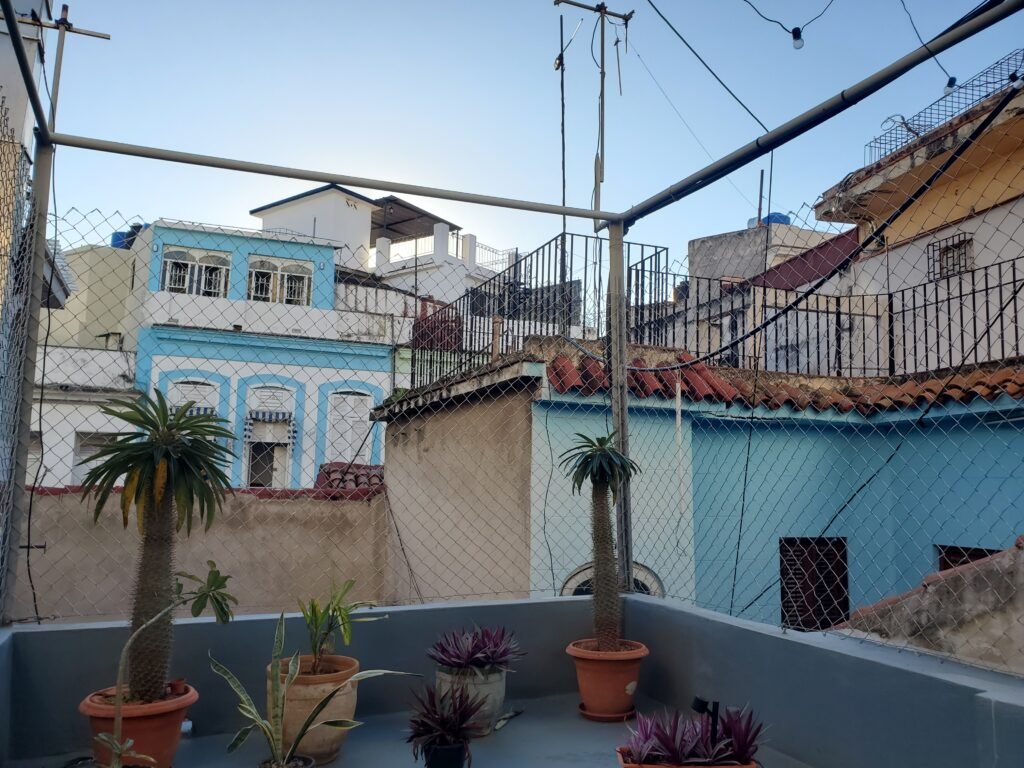
There are a few different websites where you can book your casa, but one that works well is Airbnb. It is easy to see reviews, and both parties have to be verified – so it is a trustworthy site. Not only that, but you can talk to the owners well in advance regarding your stay. They’re often priced very well too – I only spent $109 for 3 nights, and was able to pay in advance by card.
I personally stayed at Casa Clarita in Old Havana, a private apartment owned by a Cuban woman and her Italian husband. Giuseppe was his name, and he made the whole process very easy. For one, he booked taxis to and from the airport for me, which took a huge amount of stress off. Additionally, he greeted me when I arrived, showed me around the apartment, and gave me a tour of the immediate area. He pointed out where the best restaurants and bars were, providing information about Cuban sights, society, and history along the way. He also came early before I left my last morning so we could just chat for a while, as he likes to get to know his guests.
This is the typical experience you’ll get – staying at a casa particular, you will experience local Cuban culture and meet some great people who go out of their way to help you.
Internet, Wi-Fi, and SIM Cards
Something you won’t have much of is an Internet connection. US phone plans do not work in Cuba, and Wi-Fi is scarce throughout the country, especially free connections. This is due to lack of infrastructure, high costs, and a government monopoly on phone services (ETECSA). I usually had the best luck asking for the Wi-Fi password at fancier restaurants.
I personally wouldn’t have had a problem with no connection, but I wanted to make sure my family and friends knew I was okay. I was supposed to have a connection at my Airbnb, but unfortunately Giuseppe had issues with it the whole time. He had paid for it, but was randomly cut off and had to have someone come and replace it – this sort of interruption is unfortunately quite normal.
It is possible to get a SIM card in advance and pick it up at the airport. You can also get an e-SIM with a few providers and options, but I cannot confirm how well it works since I didn’t do this myself. Additionally, you can buy an ETECSA card and access public hotspots, but these are often unreliable.
But overall, assume you will have limited to no Internet access. Make sure to download offline maps for your travels – Google Maps is great for this. Screenshot bookings, addresses, and QR codes. And let your family know you might not be sending messages while in Cuba – otherwise they may assume the worst!
Food & Restaurants
Cuban cuisine is certainly something to look forward to on your trip. But there are a few things to note.
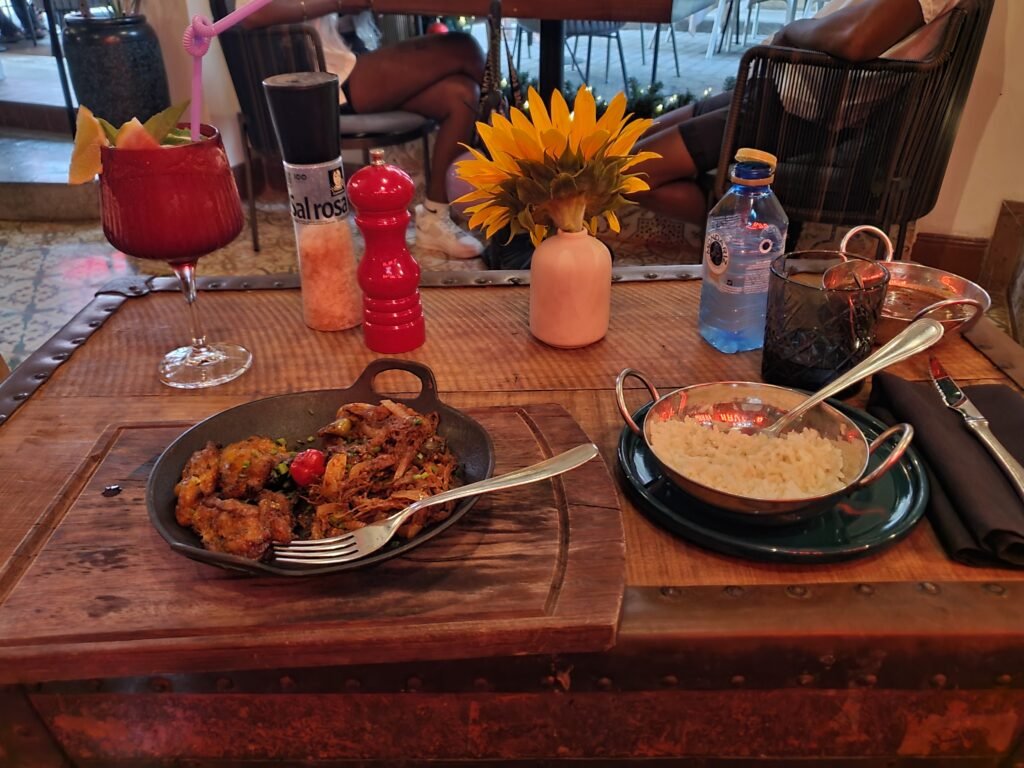
First of all, be wary of produce from street vendors and some lower-end restaurants. The water is not always potable in Cuba, so eating fruit or vegetables could spread bacteria and lead to issues like traveler’s diarrhea. Bottled water should be the norm, though cooked food is generally fine, as well as ice at the nicer places.
Make sure to visit paladares, local family-run restaurants, as this ties into supporting the Cuban people. They also tend to have better service and will be more interactive with you.
However, something you will notice is that restaurants are often out of specific dishes. Supplies can be limited, and as such it’s best to have multiple options in mind when ordering.
Food and drinks should not cost you much. Most drinks are under $4, and often even less depending on where you go, while meals shouldn’t set you back much more than $10-$15 – maybe $20+ on the higher end.
Getting Around & Tours
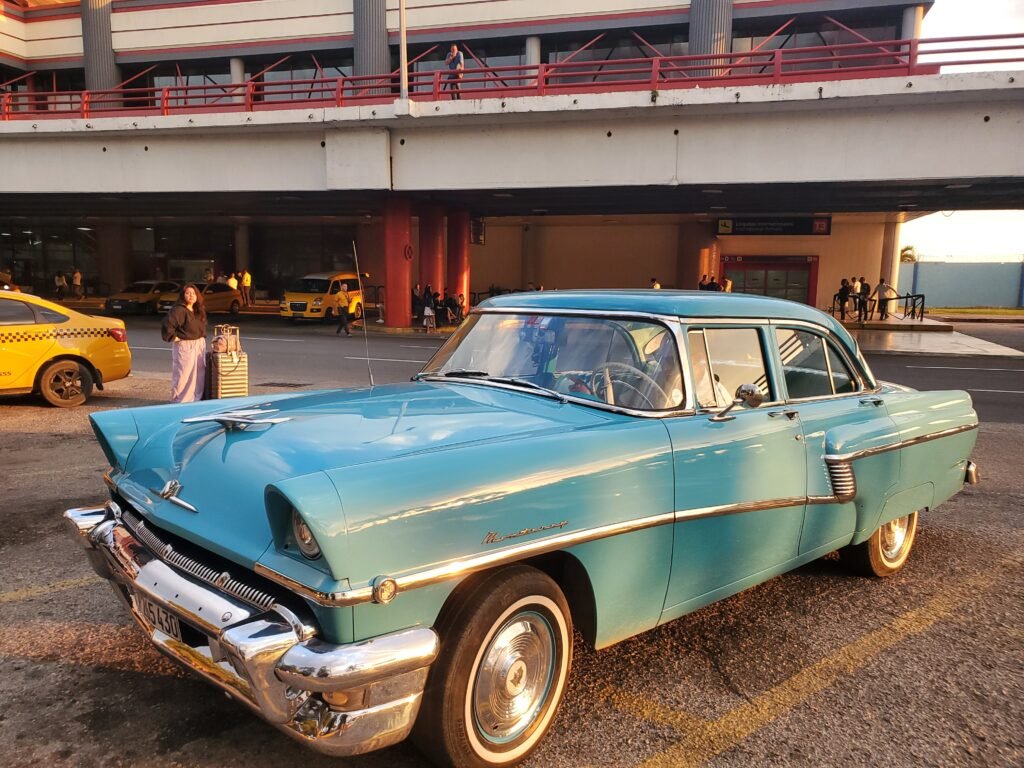
When arranging transportation, it’s best to do it in advance. Having a prearranged taxi driver not only saved me a great deal of stress but also money – as in many tourist spots, it’s not uncommon to be ludicrously overcharged. While I was waiting outside the airport for my driver, I briefly spoke with someone else who I thought might be him, and he wanted to charge me $75! This was only a 30 minute ride, mind you! It is always better to discuss prices in advance. Keep in mind taxis are cash-only, but most accept USD.
For traveling to other areas of Cuba, there are buses which travel between cities – Viazul is the main provider for tourists. These are generally reliable and comfortable, though I did not take one myself. Tours can also be a great option to see areas both within and outside of Havana.
There are “free” walking tours offered multiple times a day in different areas, and they are very in-depth and are offered in multiple languages including English. Just keep in mind you are expected to tip at the end! I took two tours, one at night going to a couple bars and the other walking all around Old Havana. Make sure to book them in advance!
I also took a day trip to the Viñales Valley, and it was a pretty good tour deal at less than $80 for a full day – if you go nowhere else besides Havana I would at least highly recommend Viñales to see the natural beauty Cuba has to offer.

What I Saw (And What Surprised Me Most)
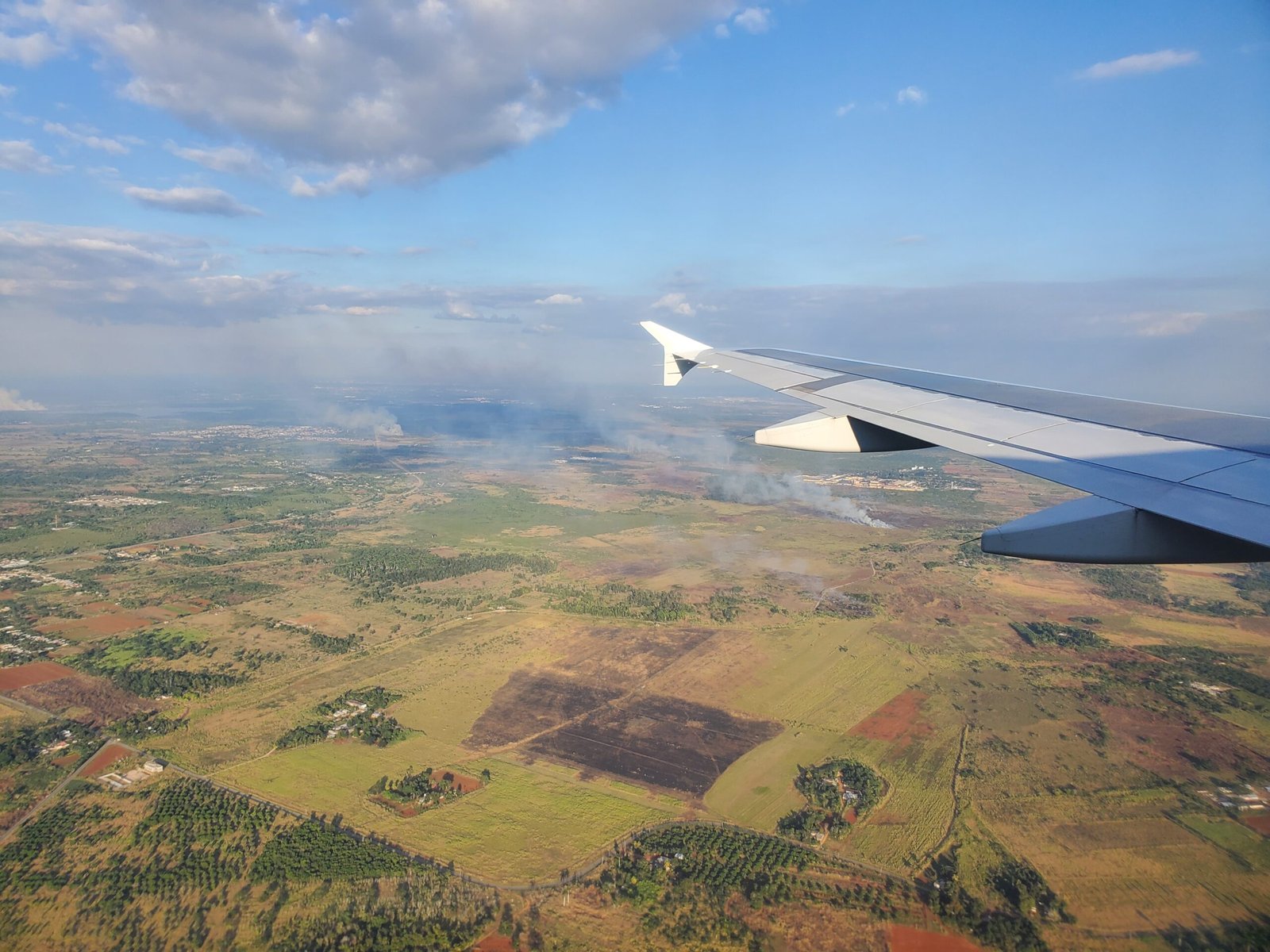
I stayed for 3 nights in Havana, though one of those days included my trip to Viñales. The very first thing I noticed about Cuba was when I was flying in. There were a ton of smoke plumes from fires – my taxi driver later told me it was from people throwing out cigarettes as they drive.
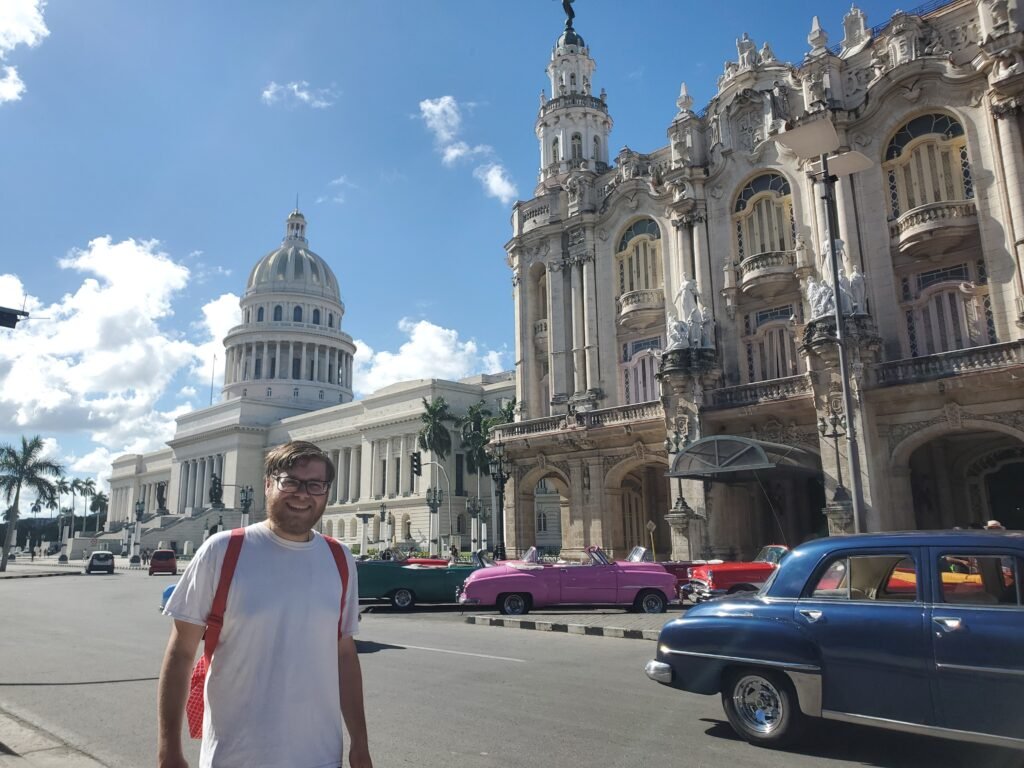
Speaking of driving, the cars were the first thing I noticed when leaving the airport. Cuba truly does have a ton of old American cars – they probably made up 10-20% of all the vehicles I saw. Obviously the ones used for taxis and tourist activities are cleaned up and shiny, but it’s pretty clear that most are just used as everyday transportation.
Another 20-25% were old Russian cars from the USSR, boxy yet sturdy models from the 70s and 80s. I was definitely surprised by the amount of modern cars, though!
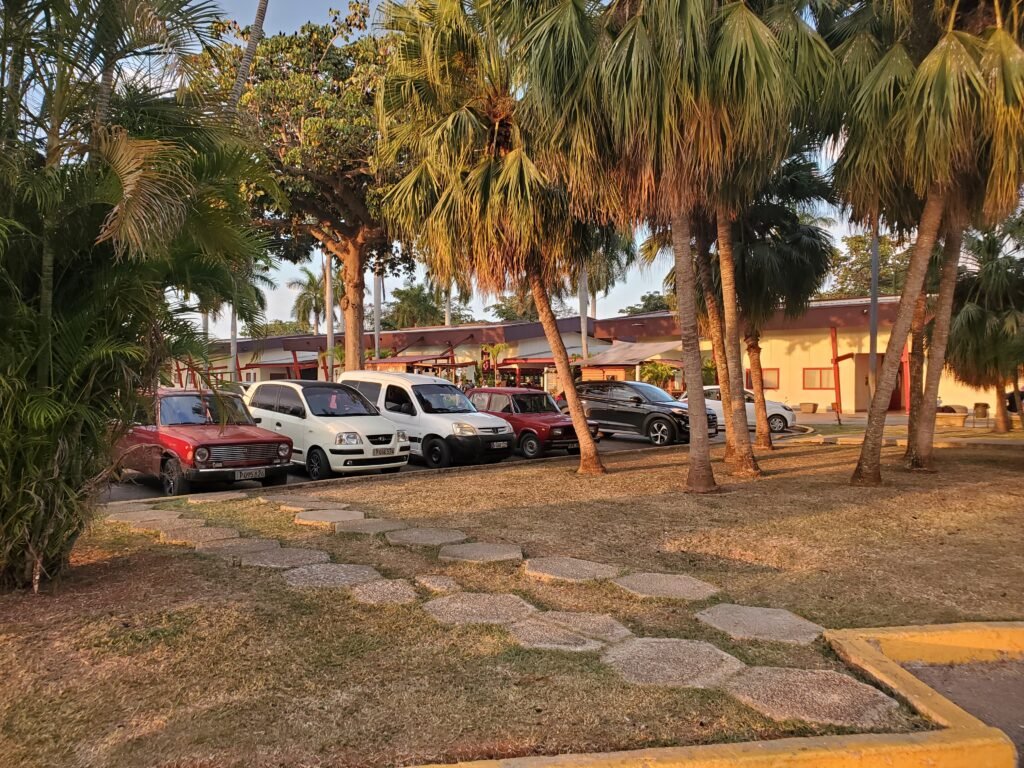
Besides that, there are quite a few transportation methods in Cuba. I saw horse-drawn carriages, people lining up at bus stops (despite the buses not always being reliable), bicycles, motorbikes, and even a ton of cycle rickshaws!
Something else I noticed was how run-down many of the buildings are. Of course, the government buildings and those around the central plazas are in pristine shape, with gorgeous architecture and beautiful colors. But most buildings have paint falling off, are discolored, have graffiti, and generally are not in great shape. One of my tour guides explained that after the revolution, people had to maintain their own houses, and most of the time they just don’t have the money for basic maintenance work or even a repaint. Some in Old Havana were even restored by UNESCO in the 80s and 90s but have not been kept up since.
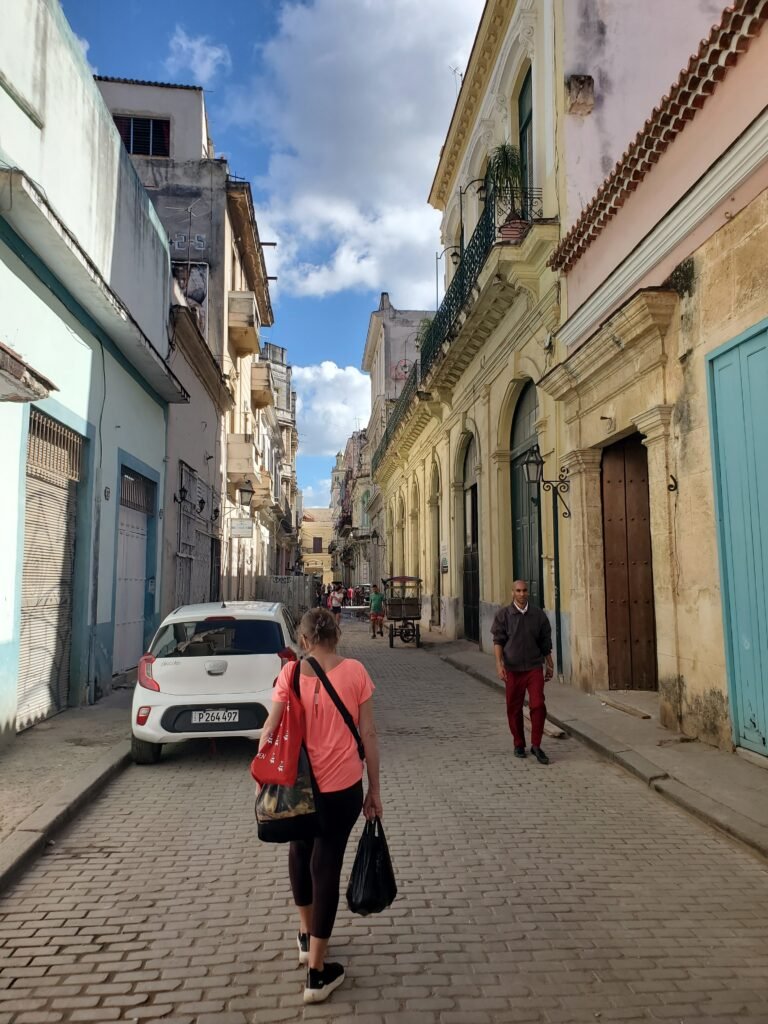
One of the things that really surprised me was how many people have phones, though their service is often slow or ineffective.
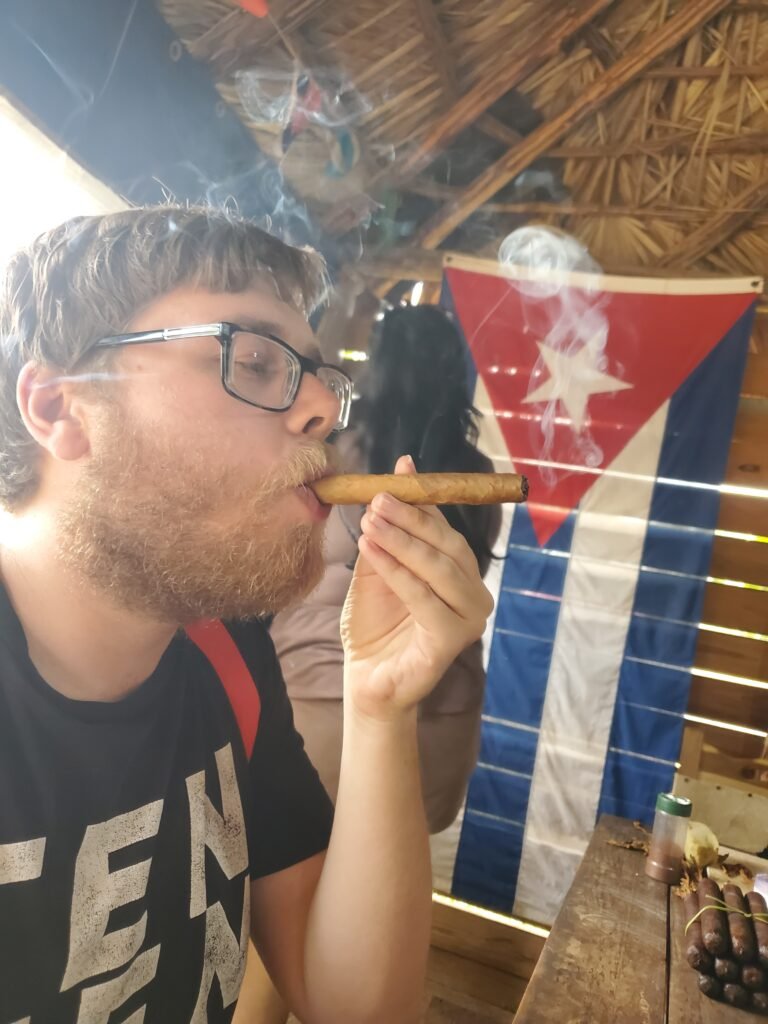
What also really stunned me was the natural beauty of Cuba. Havana was very interesting, but when you visit Viñales, you wonder how more people aren’t visiting this country. On my tour we got to see a scenic overview of the valley, visited a huge mural on a rock wall painted in the 60s, had an incredible lunch, went through a cave on foot and exited by boat, and ended off the day by smoking a Cuban cigar at a tobacco plantation!
In the cave, we even had a short blackout – the only one of the trip, though they are not uncommon throughout the country. This is something you may experience if you visit anywhere outside of Havana. In this case it made us feel like we were truly spelunking!


My Experience With the People of Cuba
The Cuban population is extremely diverse, something which you may find surprising upon your arrival. It can actually be hard to tell who is a native versus a tourist!
My favorite people I met were the tour guides. They gave me so much information about their country, and loved interacting with me and the groups I was a part of. The best tour guide was Zu, for the Old Havana walking tour – it was just us for 3 and a half hours, and she was so excited and bubbly that it made me feel great! She loved talking about her country and its history, explaining some of the key events and about popular figures like José Martí, a national hero of Cuba whose name can be seen all over the place!
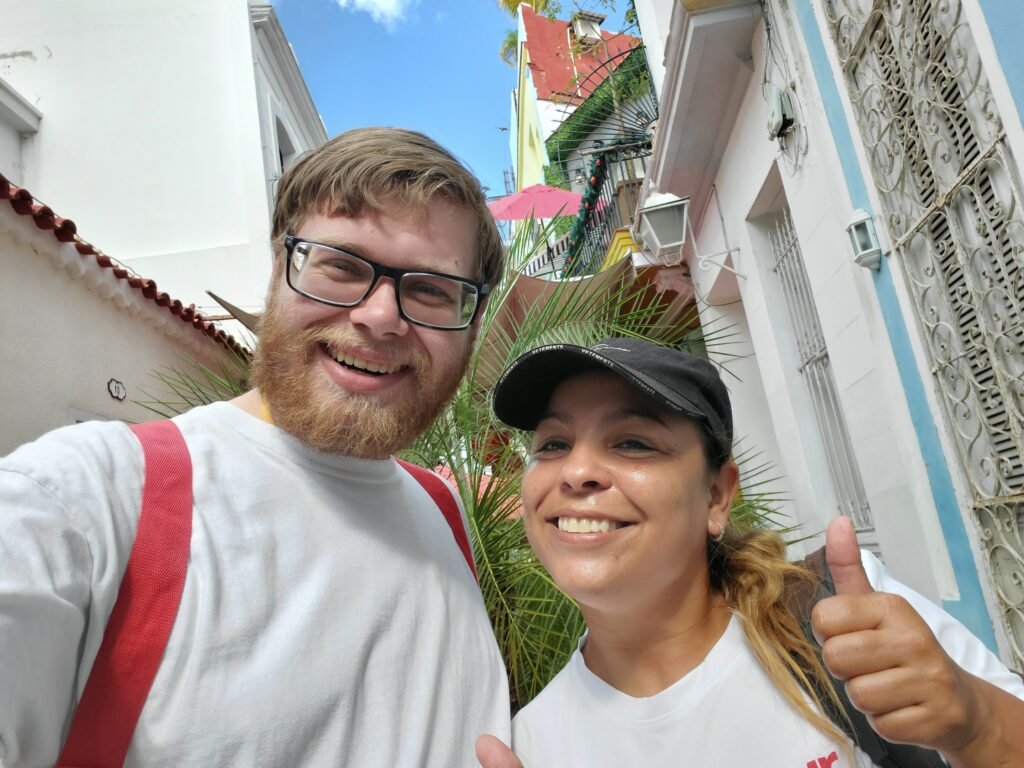
Overall, the people in Cuba seemed nice, though you do need to be mindful of your interactions. I typically couldn’t go anywhere without someone trying to talk to me, and you can’t tell if they’re just gonna end up asking for money or if they’re actually friendly. They’ll often start by asking where you are from, and then try to “guide” you to where you want to go, only to ask for money. It’s not always a small amount, either – people asked me several times for $30-$40.
Now, I understand why they do it – that money can go a long way in Cuba. But after a certain amount of times, it got very frustrating, and it made me want to simply ignore them. If anyone tried to walk up and talk to me I’d have to make it clear I didn’t want to give them any money, even if they were legitimately being friendly. I have to admit it kind of drained me emotionally.
But I will say, I did feel very safe on my trip. A lot of people were walking around at night, including women and children, which to me was a good indication of safety. I also saw police quite often – on our drive to Viñales we even had a couple random checkpoints to go through. Just be aware of your surroundings, as there can be pickpockets in touristy areas.
Other Thoughts & Final Takeaways
To be perfectly honest, Cuba was a mix of highs and lows. There is some incredible architecture, delicious food, and wonderful scenery. But it really is sad to see, especially with the people begging, run-down buildings, and piles of trash people dig through. Cuba is certainly not a “vacation” destination in the traditional sense, but it is both interesting and meaningful.
Cuba is a very poor country – Zu told me the monthly salary of her normal job is only about $8. While food and medicine are subsidized at local bodegas (grocery stores) and pharmacies, the shelves are often pretty empty.
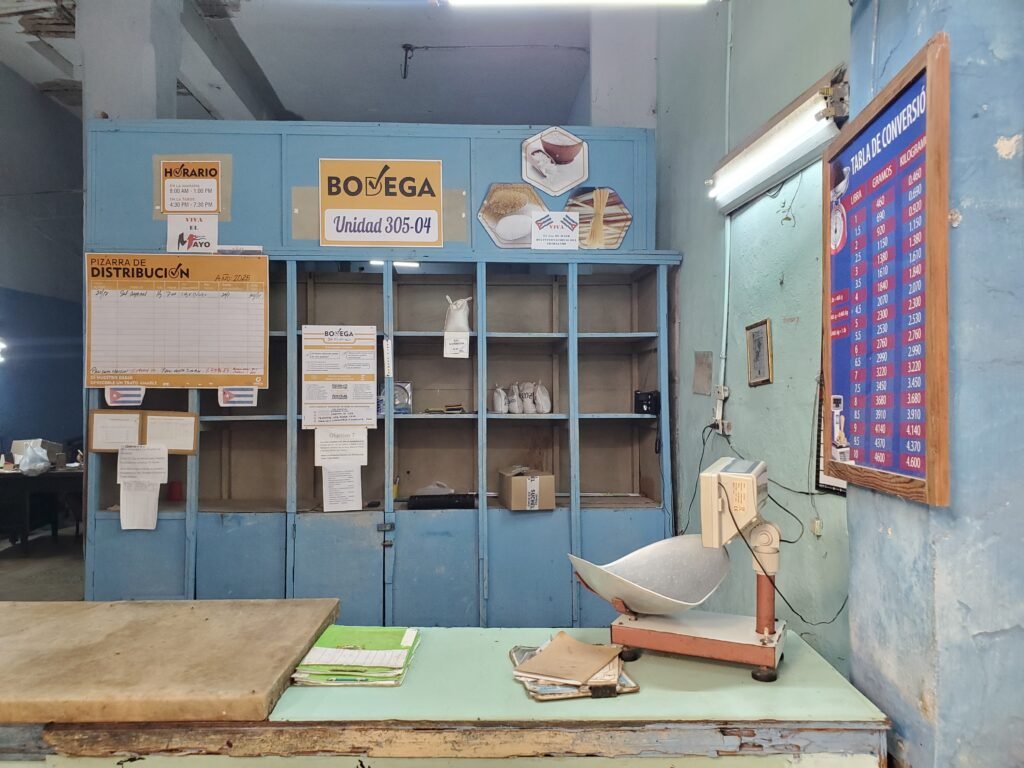
As such, something I’d recommend doing is bringing small gifts for your hosts and tour guides – things they cannot easily get like American snacks, medicine, and hygiene products. It’s a minor gesture, but to a Cuban it can be extremely emotional and impactful.
And just to be clear, Cuban cigars cannot be legally brought back to the US. Some people selling them might try to tell you otherwise, but do not listen to them – they will probably be seized at customs.
Zu described Cuba well with a certain phrase. As she told me about her country and what they have to deal with as citizens, I would often say, “That’s crazy!” And she’d have a simple response.
“That’s Cuba!”