

April 22, 2025
Today, Carlos and I finally had a whole day to explore Kyoto. With temples scattered all across the city, we planned to spend the day hopping between some of its most beautiful and historic sites.
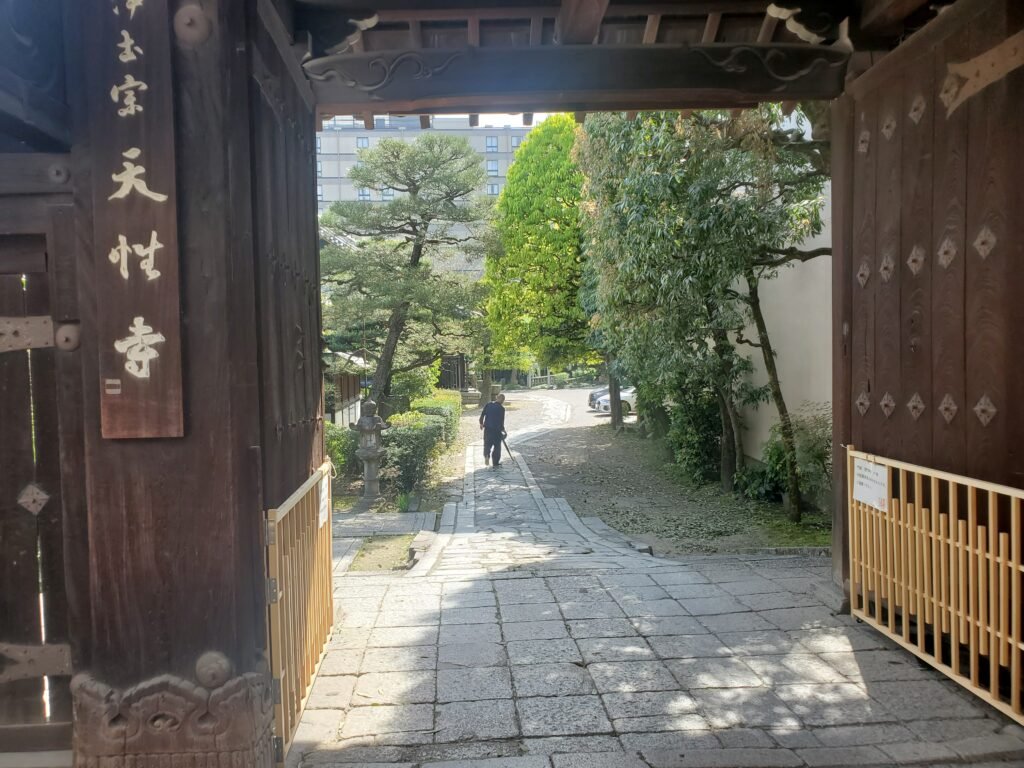
Around 9, we set out toward our first destination: Kinkaku-ji. As we were walking towards the bus station via our nearby shopping street, we noticed a temple (Tenshō-ji) with its gate open, so we popped in briefly to check it out. However, we immediately found a sign saying no visitors were allowed, so we backed out politely.
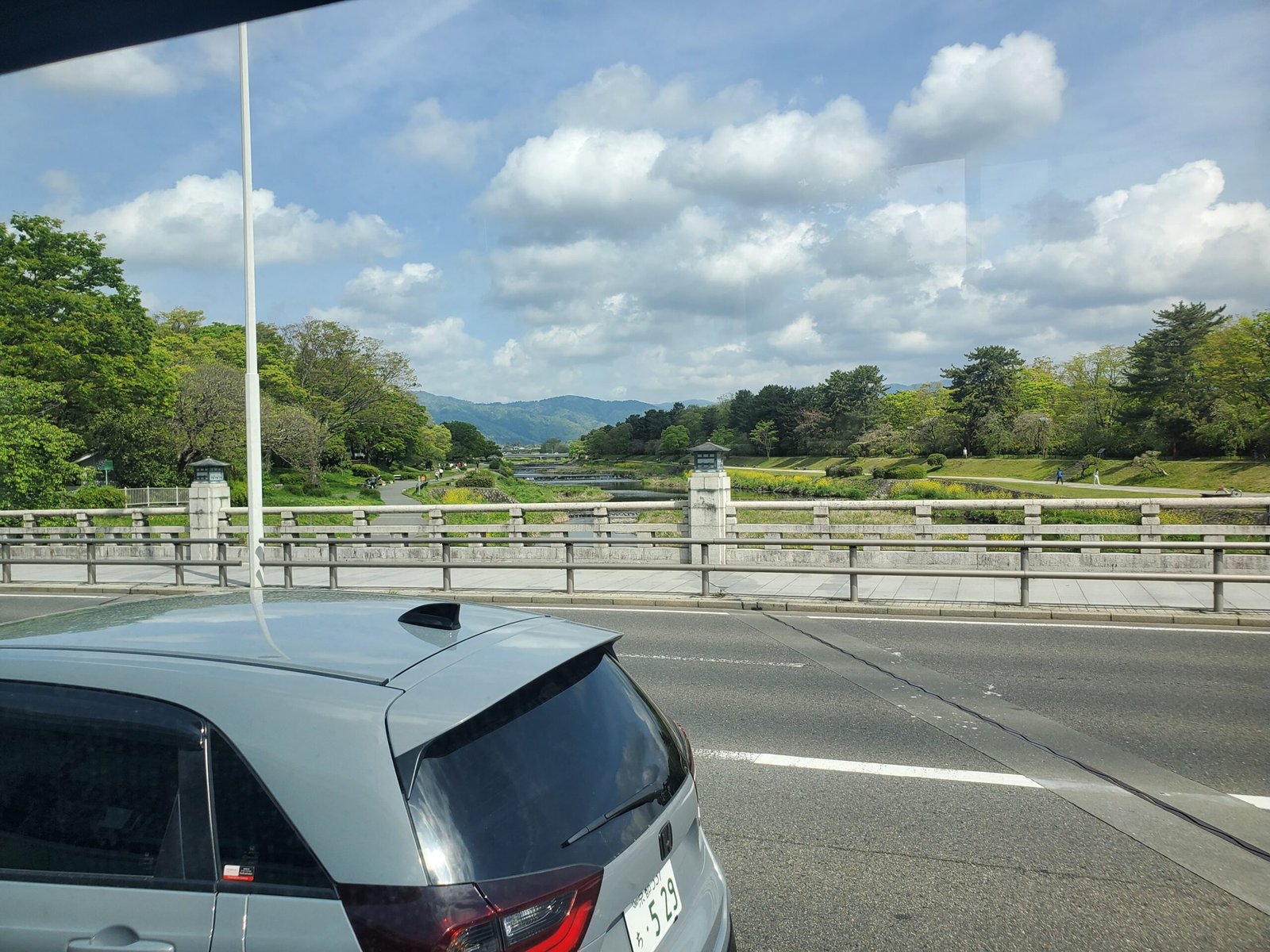
After getting to the station, the bus ride took just over half an hour. It wasn’t super crowded but we did have to stand for the whole ride, which Carlos wasn’t a huge fan of. However, the views were really nice – especially as we crossed the Kamo River.
After getting off at the stop, we started walking with a huge crowd of people towards the entrance – though simply crossing the street to the other sidewalk allowed us to bypass most of that for a couple minutes. Herd mentality!
We passed through the main gate before lining up for tickets, at ¥500 each. This felt fair, especially once we got to see the Golden Pavilion – the primary attraction.
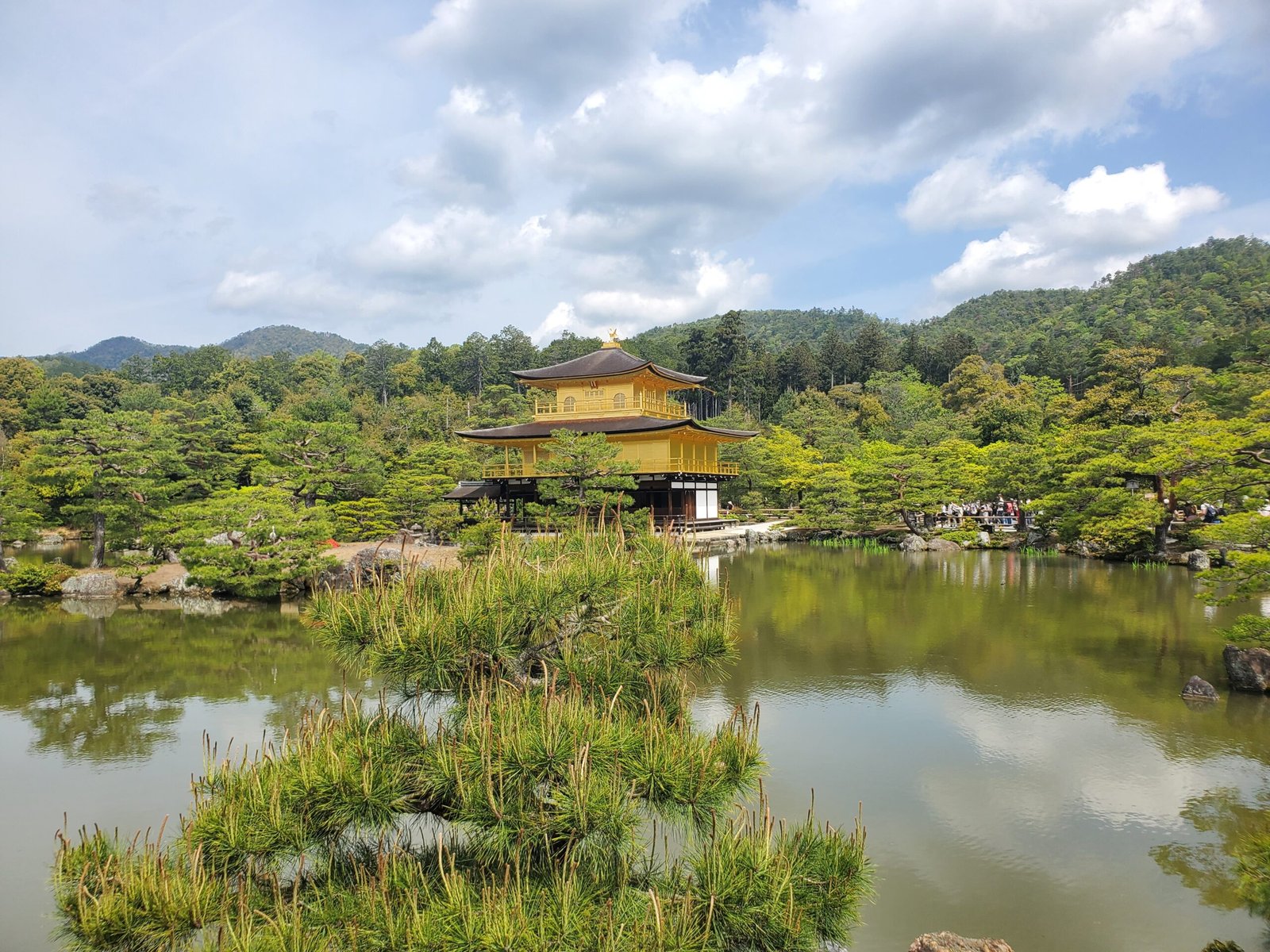
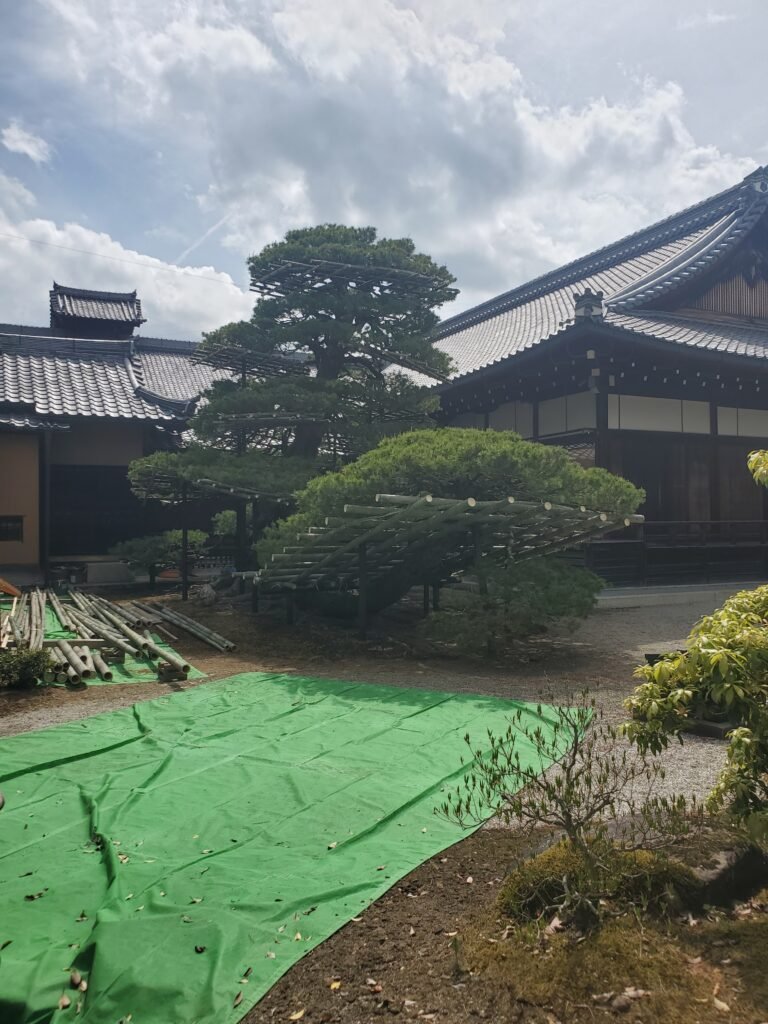
This temple is built with layers of gold leaf, leading to a beautiful shine, and it was simply a magnificent view upon the water. A gravel path surrounded the pond, allowing us to see the pavilion from different angles, and as we walked we noticed the Ship-shaped Pine (Rikusyū no Matsu). This tree is believed to be about 600 years old, and is specifically grown in the shape of a vessel facing towards the Golden Pavilion.
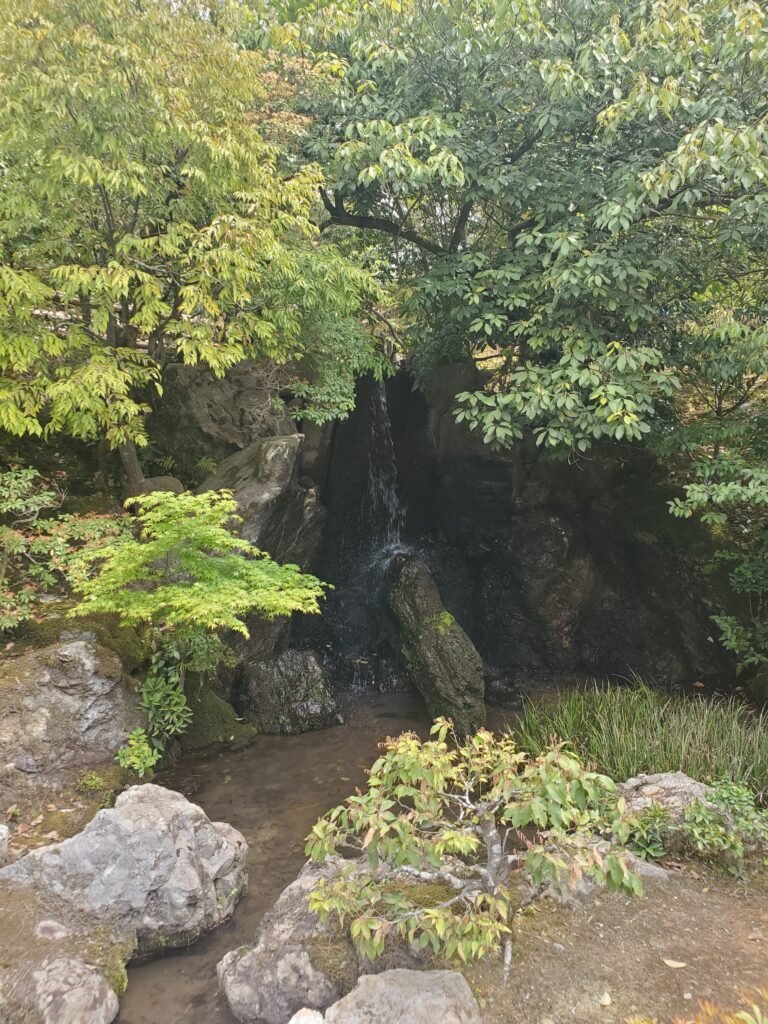
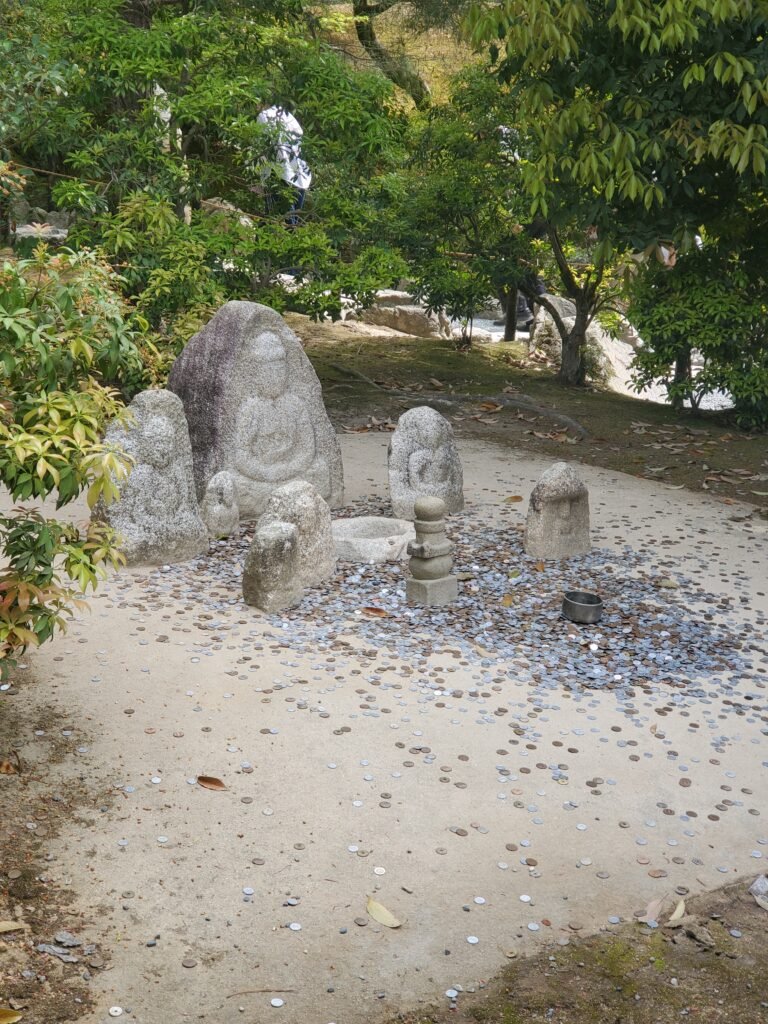
We passed some more of the landscape, which included things like a spring, small waterfall, and a statue where visitors tried to toss coins into a bowl to make their wishes come true. Overall it was a lovely walk through the temple grounds, with a few more sights and structures, but of course we were most excited to get another goshuin stamp! After we each got one towards the end, we headed out.
On our way out, we discovered an ice cream vending machine, and Carlos wanted to try it. He also let me try some, and it was delicious! We sat on a stone wall along the walkway, enjoying both the ice cream and the refreshing atmosphere.
From here we headed towards a nearby bus station, passing a Catholic church which we found interesting to see among the predominantly Buddhist and Shinto landscape. It was a short 5-minute ride to our next stop: Genkō-an. This temple is more towards the hills, nestled among traditional buildings and houses.
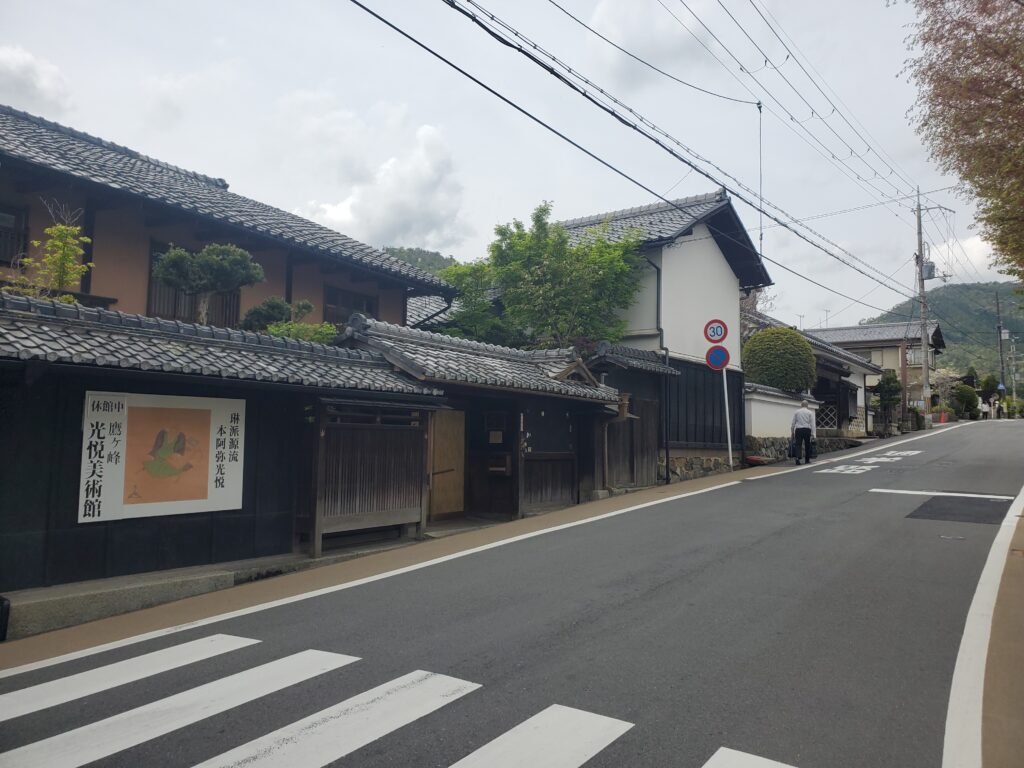
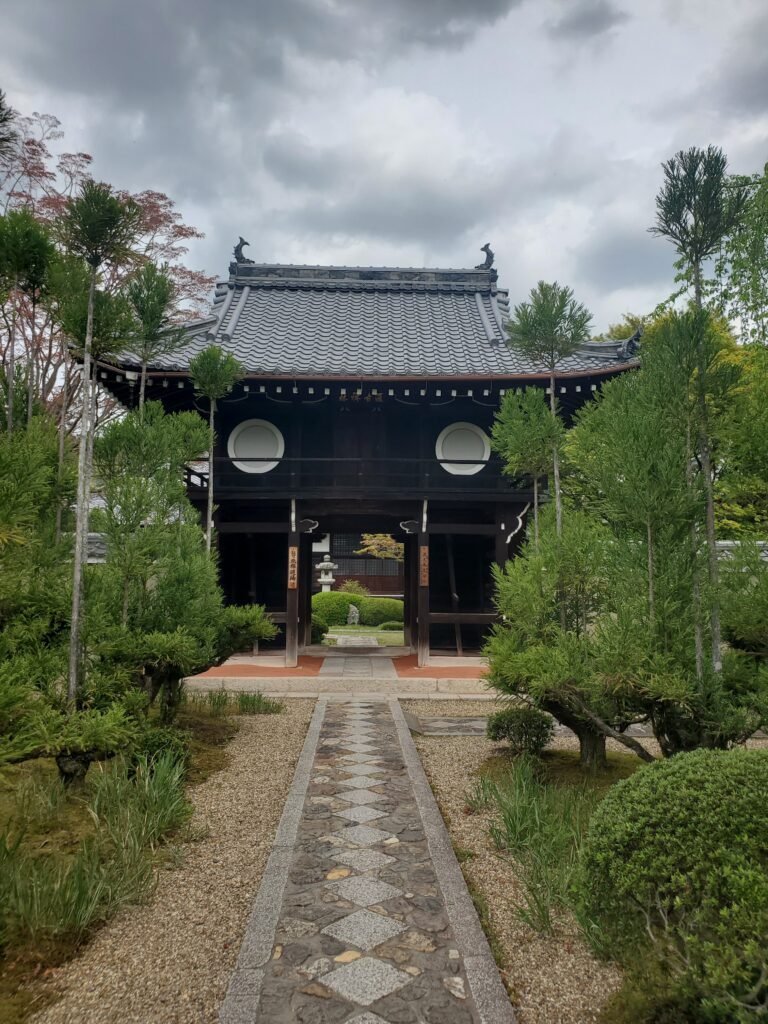
We passed by a massive bell and walked through the impressive gate. The entrance fee may seem steep at ¥400, but after leaving your shoes and stepping in, you understand why.
Genkō-an is one of five temples who share a unique history. Its main hall has a ceiling constructed from Fushimi Castle. Here, nearly 400 samurai held off an enemy force of 40,000 for eleven days before ultimately committing seppuku (ritual suicide) – with their blood staining the floorboards. You can still see handprints, footprints, and fingerprints, and many blood spots. In fact, we saw a few of the original planks, and it was crazy how much lighter they were.
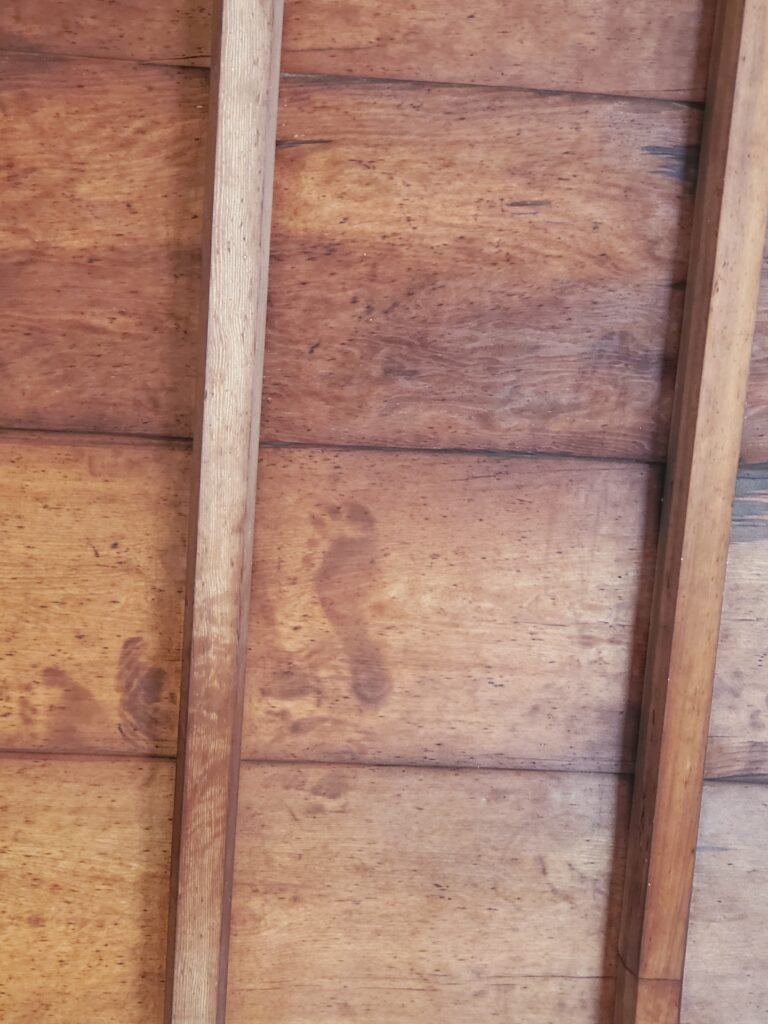
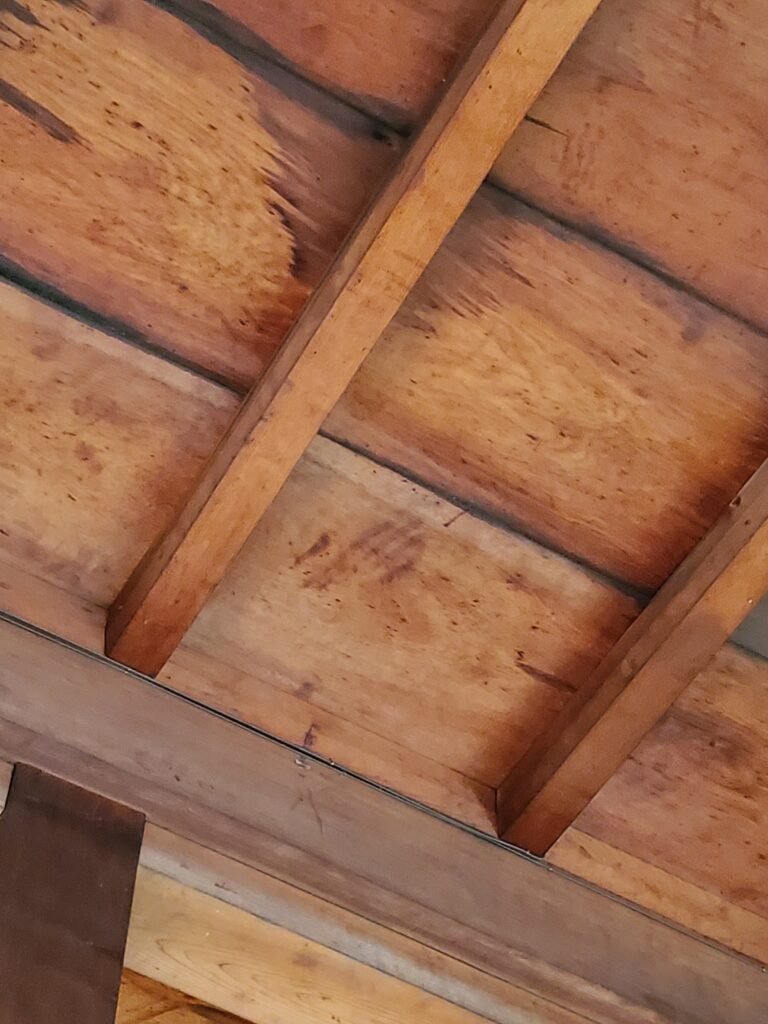
Carlos and I decided to just take some time and soak in the atmosphere. It was strangely peaceful, with hardly any other visitors, yet also very chilling. We both agreed it was probably haunted, especially since there was sort of an unseen pressure upon both of us.
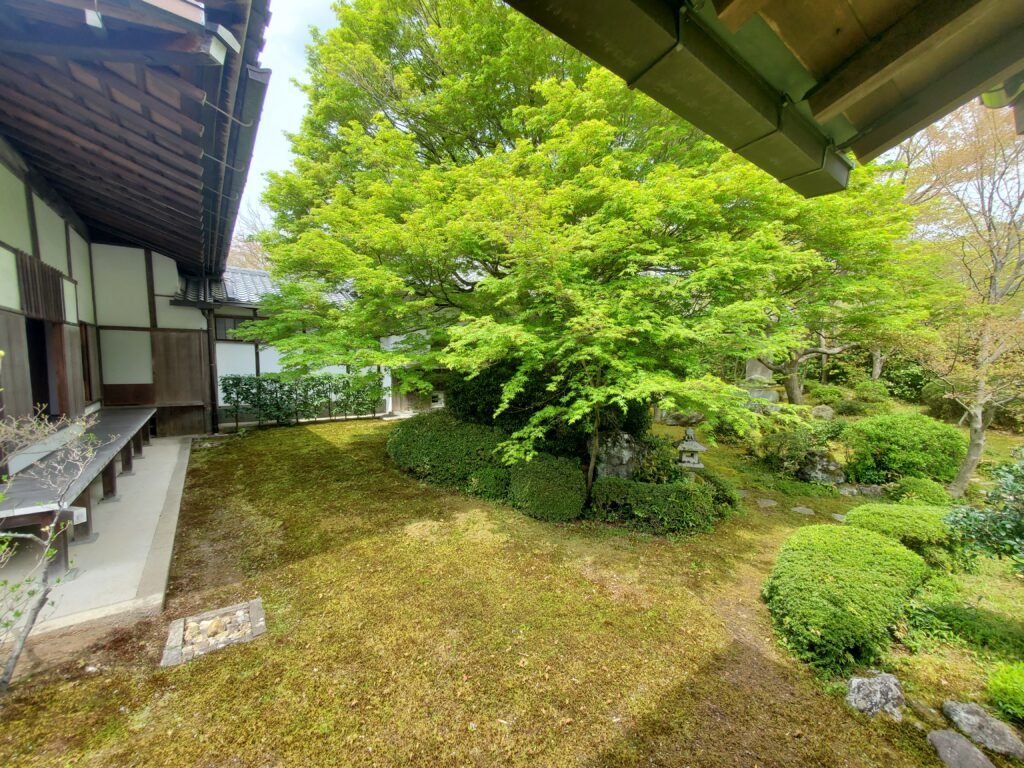
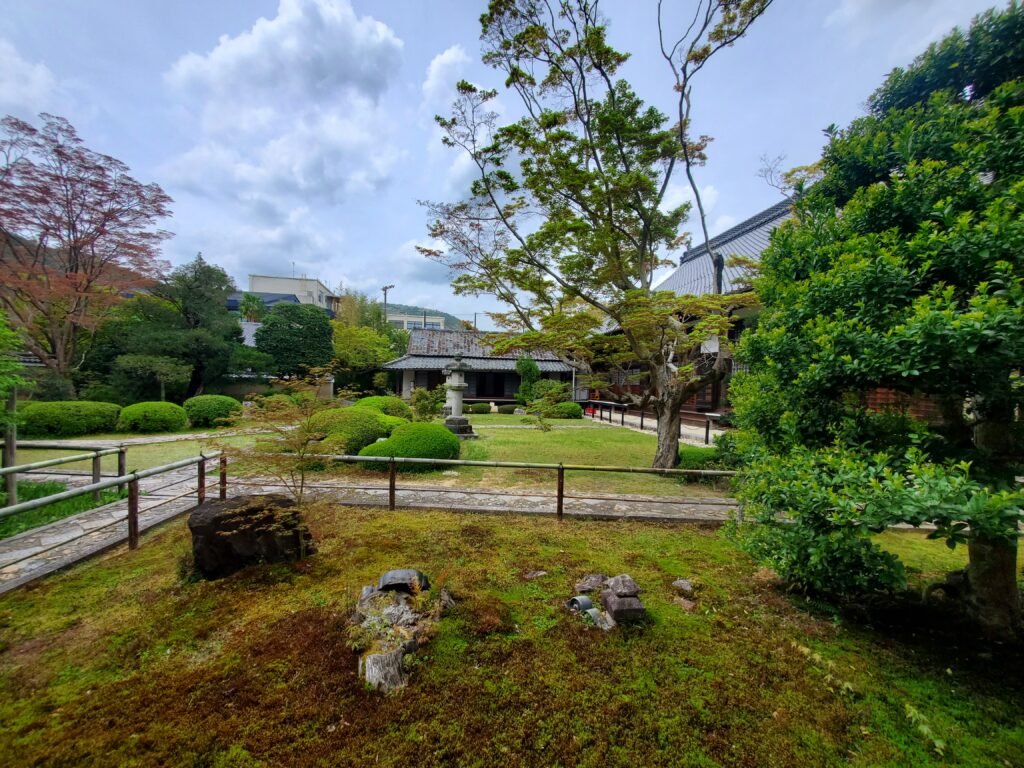
It was also contrasted by the grounds, with beautiful gardens and lots of greenery which was clearly carefully managed. We were really surprised by the lack of tourists – this is an absolute must-visit after getting to see it myself.
We did want a goshuin, but unfortunately there were only independent pre-done pages, so we just headed out afterwards. We had one other blood-ceiling temple we planned to visit, but first we decided to explore the immediate area on foot – we wanted more goshuin!
First up was Enjoji, a Buddhist temple established in 1630 that was just a couple minutes’ walk from Genkō-an. While photography wasn’t allowed past the gate, the temple grounds were quite lovely, with a small pond, mini bridge, and a few other buildings.
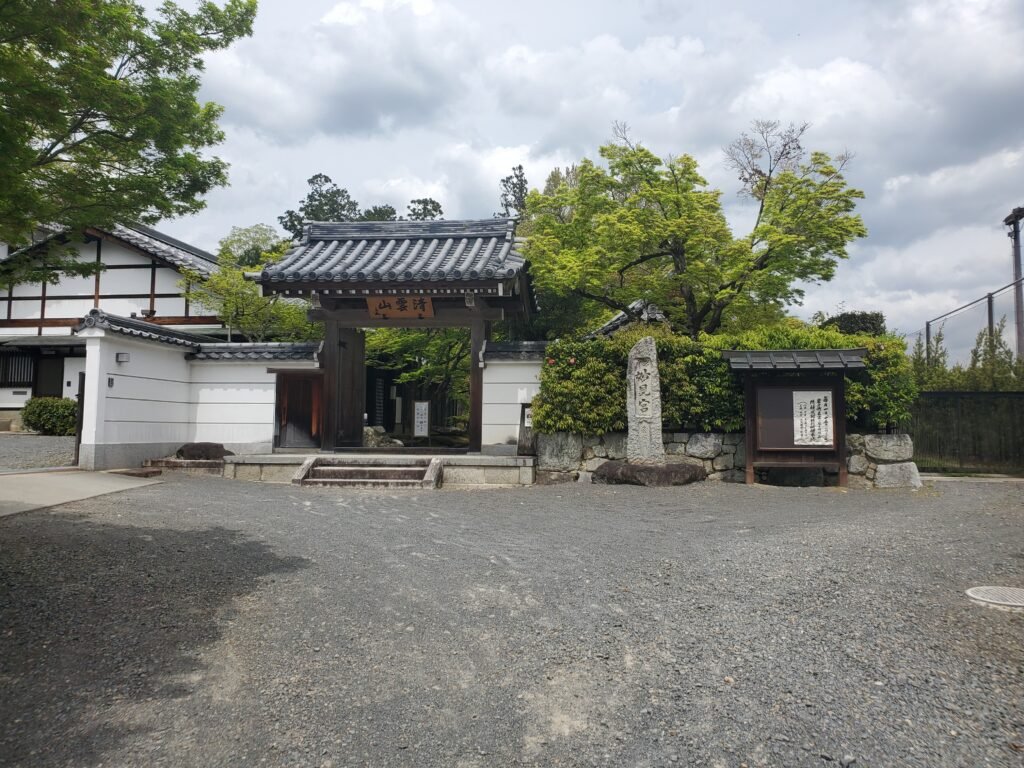
When we approached the goshuin office, I noticed a “No English” sign, which made me hesitate – but I decided I could probably make it work with my Japanese. There was a button to get someone’s attention, so I hit it and a kind lady appeared. She pointed at the sign, but I managed to ask for two stamps, confirm the cost, and pay the correct amount as she filled them out. It made me super proud to use my Japanese knowledge, even if it was small!
Our next stop was Jōshō-ji, another Buddhist temple established in the early 17th century. While Carlos took a seat on some stone steps, I wandered through the grounds, exploring a little forested area that wrapped around the main complex and passed what looked like a small cemetery. It was a super interesting spot and felt tucked away from the city.
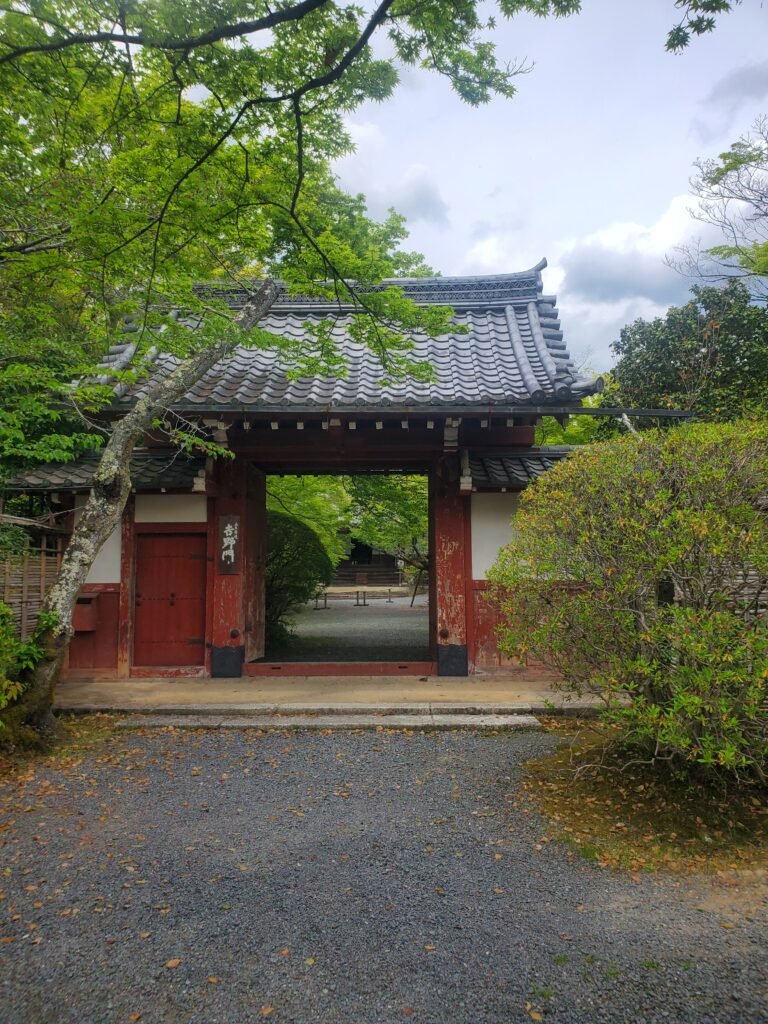
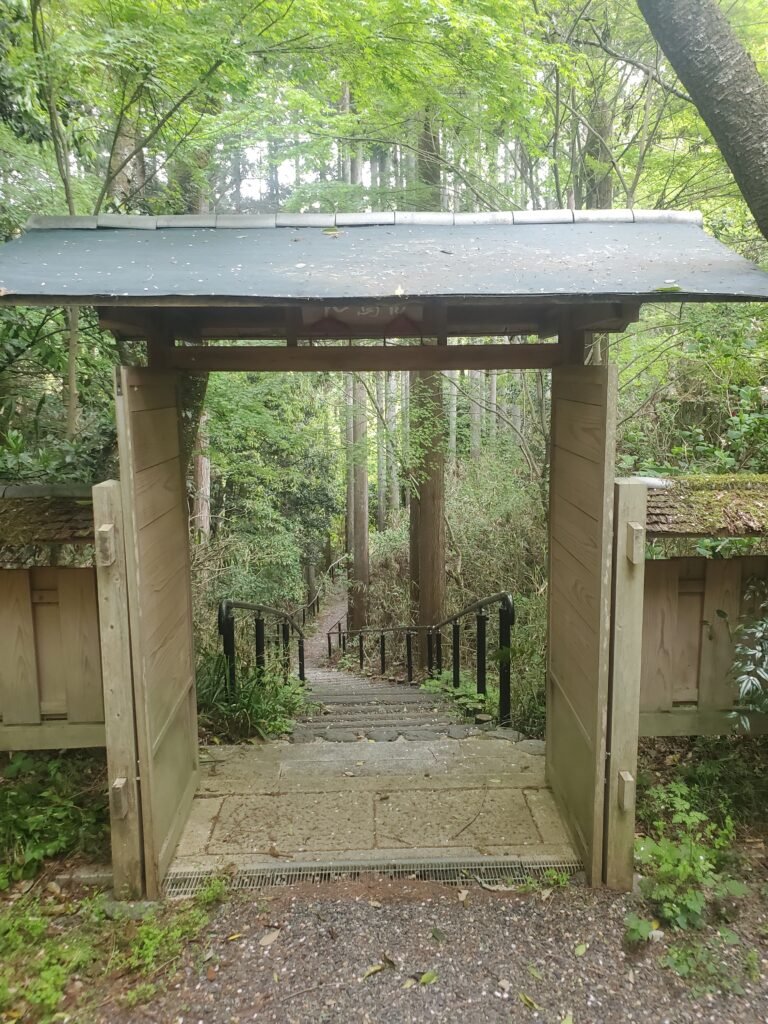
We got our goshuin at the front, and it was probably one of my favorites of the whole trip – very complex and detailed. Paying for the goshuin also counted as the entry fee (oops…I had explored already), so I checked out the central temple building. What I found interesting was that something was playing on a TV inside! That was the only temple I visited in Japan where I saw that.
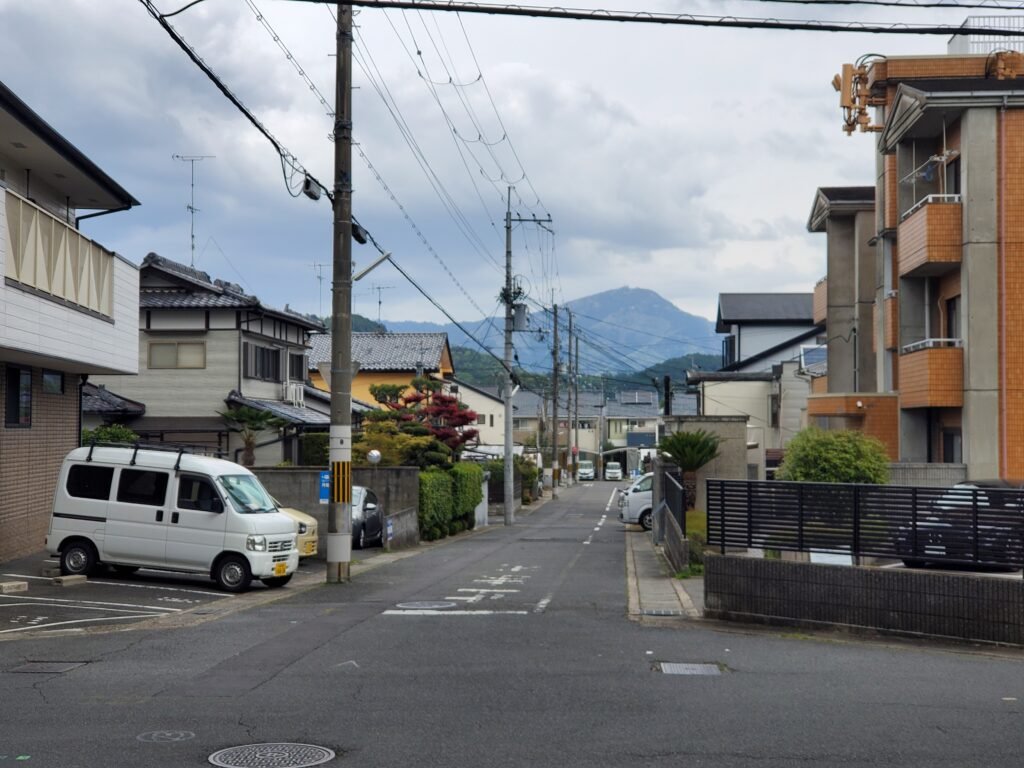
After a bit of rest, we headed out. Walking through the suburbs, we came across a road that provided a breathtaking view of Kyoto, as we were now a decent way up on the hills northwest of the city.
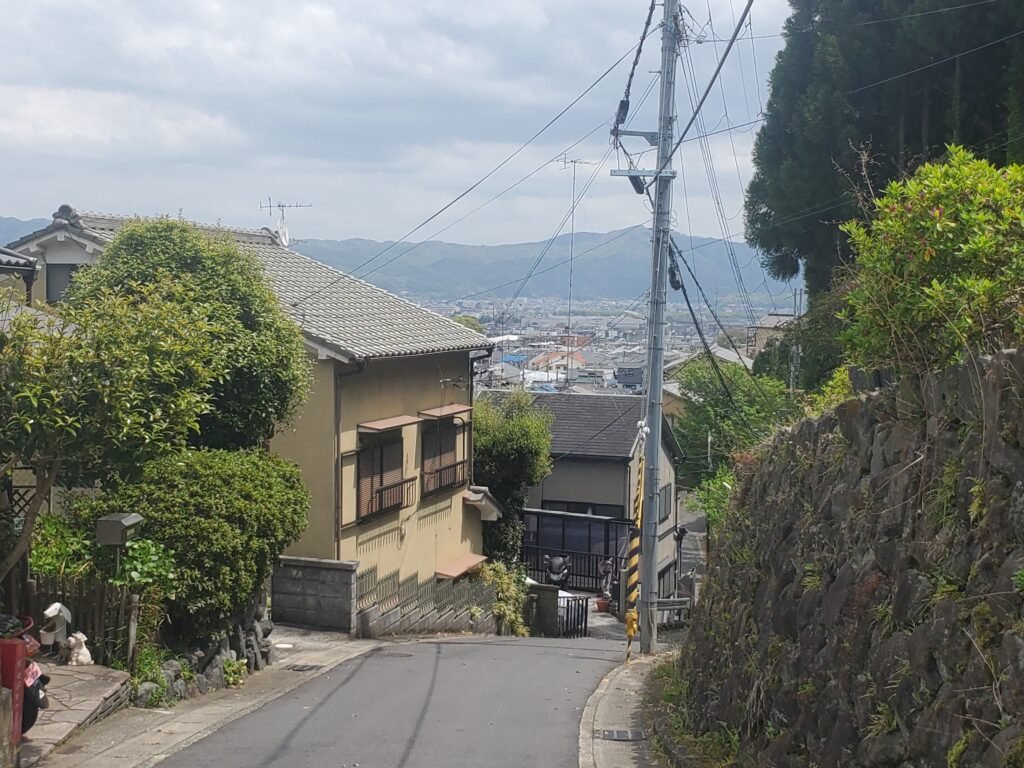
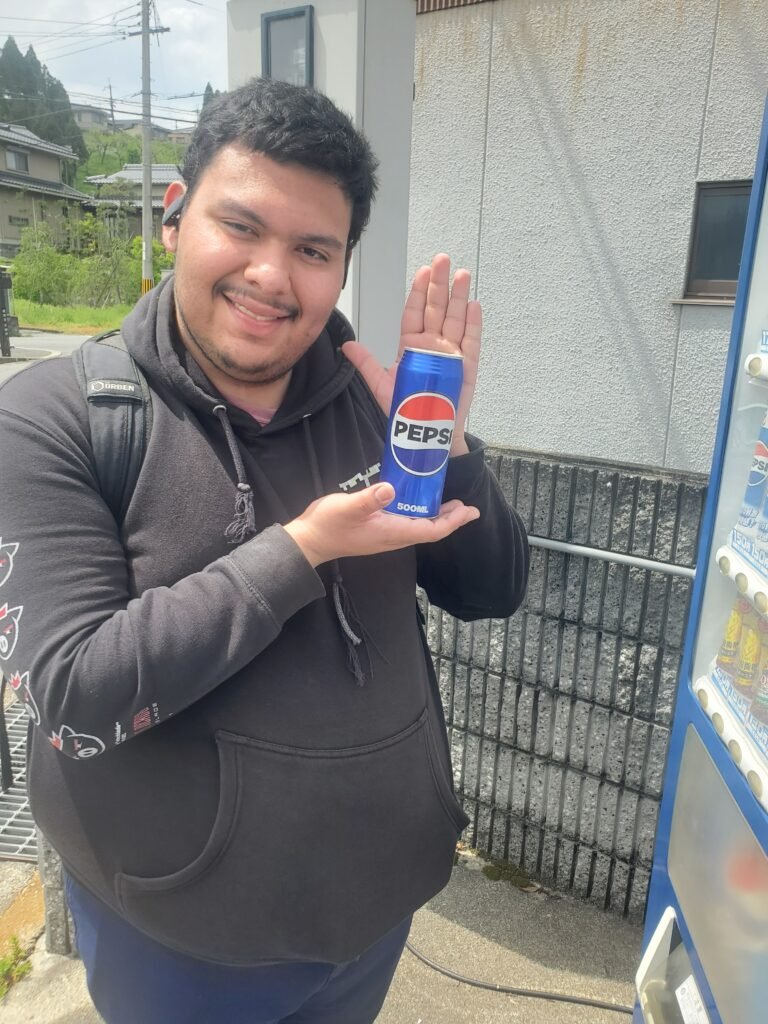
Going through these neighborhoods was really a wonderful experience. It was so quiet and calming, and my memories of the thin streets and small houses make me miss Japan. We spotted a vending machine when we hit a larger road and Carlos got a drink – a 500ml can of Pepsi which we found pretty funny due to its size (most in the US are 355ml).
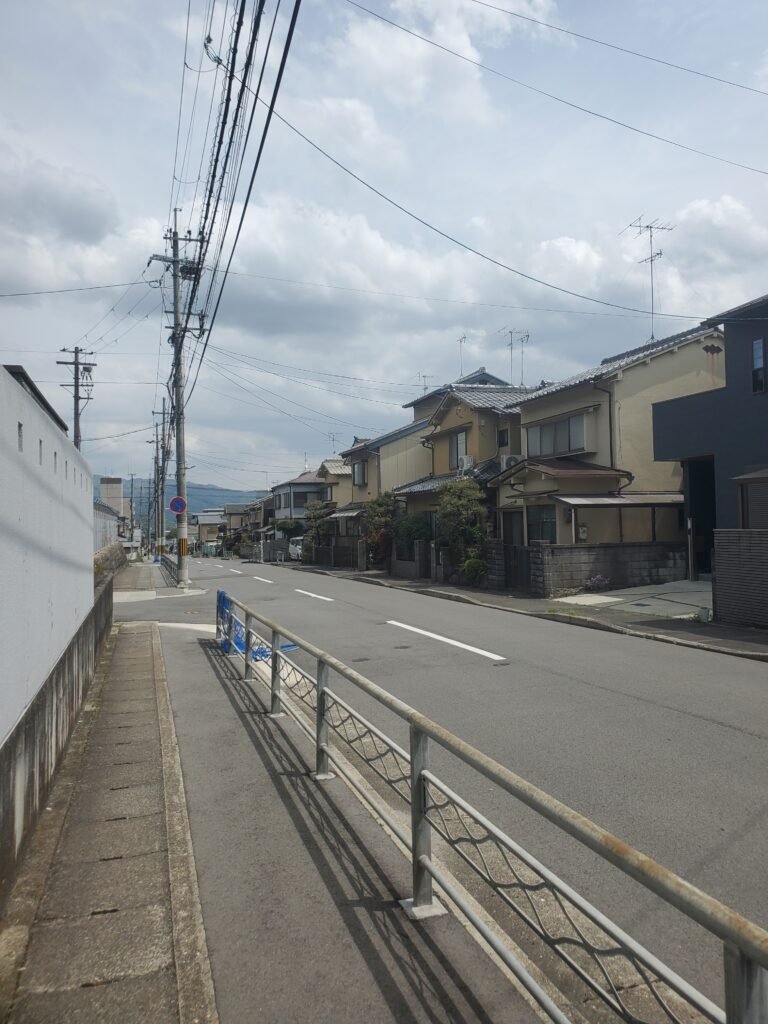
As we got closer to our next stop, we paused at a small park with a playground and a few benches. I also checked out the nearby Saihō-ji Temple, but I did not see anyone or a spot to get a goshuin, so we kept moving. We saw another temple, Hōun-ji, but it was unfortunately closed. Still, one interesting thing caught our eye: a fairly large Buddha statue peeking over the surrounding buildings, hinting at the presence of a larger complex inside.
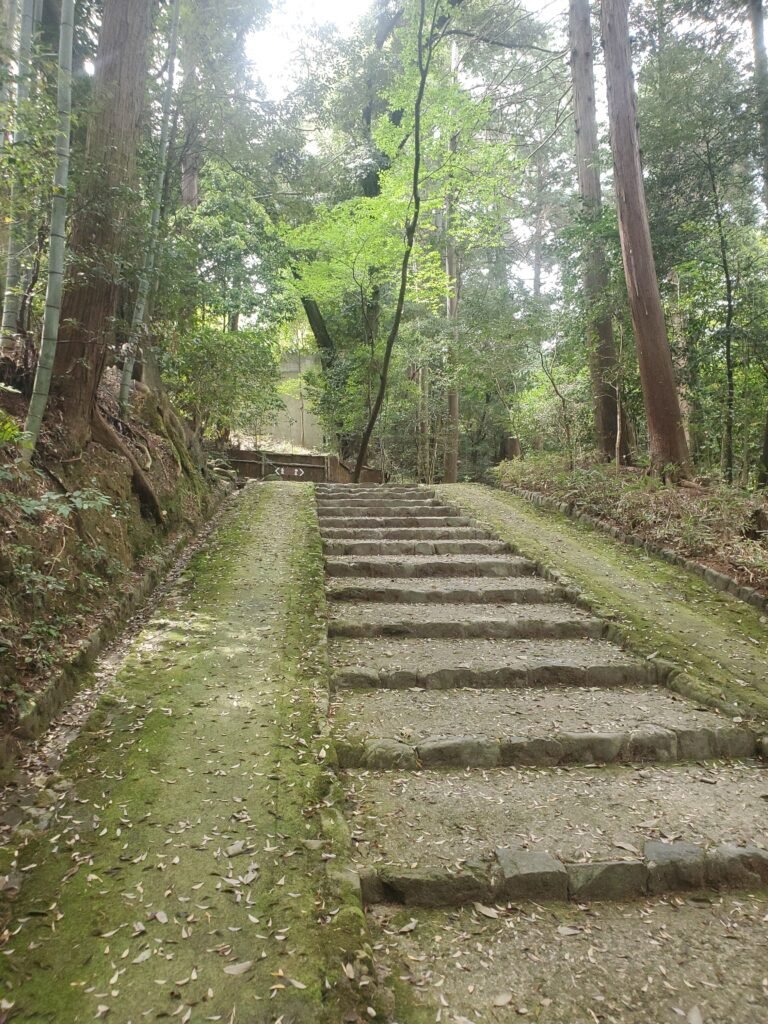
Just around the corner, we spotted the entrance to the next blood ceiling temple, and set off up the hill. The climb was a bit long, but the path itself was stunning – a moss-covered forest trail that felt ancient, with some steps looking hundreds of years old.
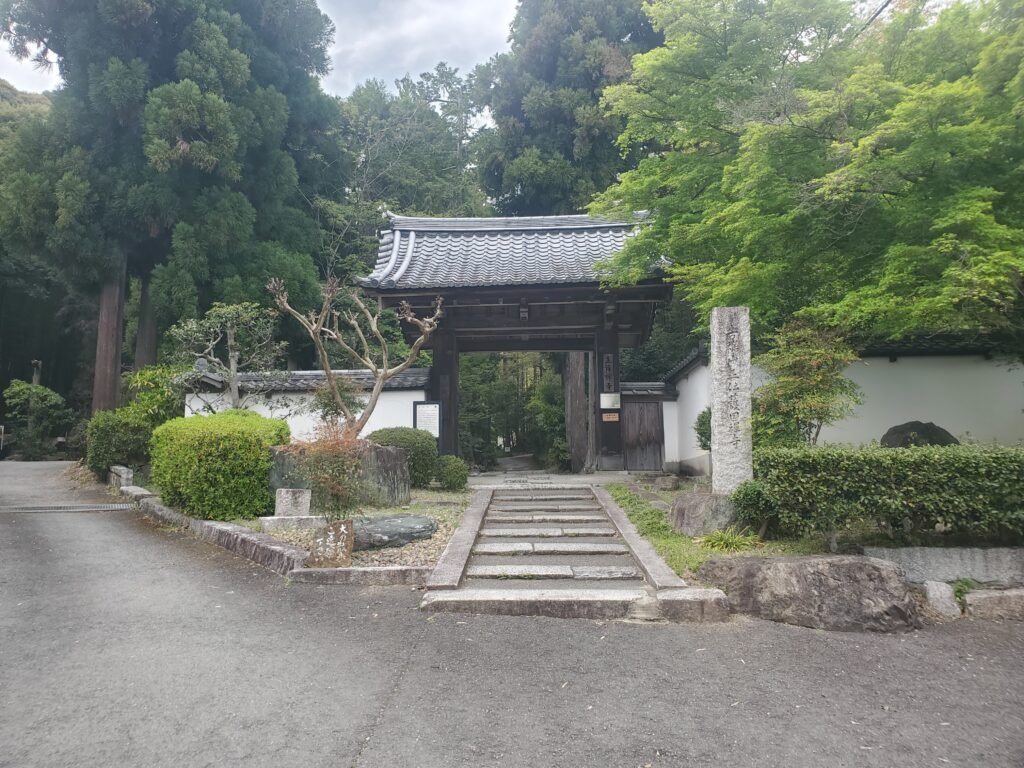
Funnily enough, we noticed some golf carts nearby and almost wandered the wrong way – apparently there’s a golf course in the area! Anyway, we finally made it to Shōden-ji Temple after our climb. The entrance fee was also ¥400 here.
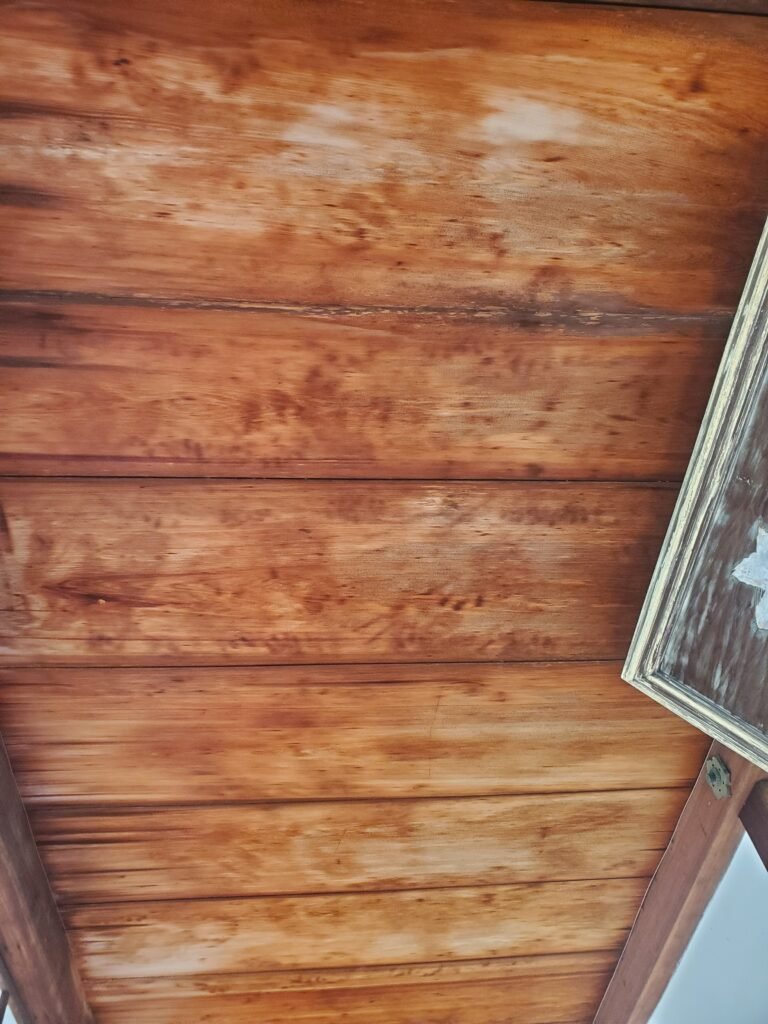
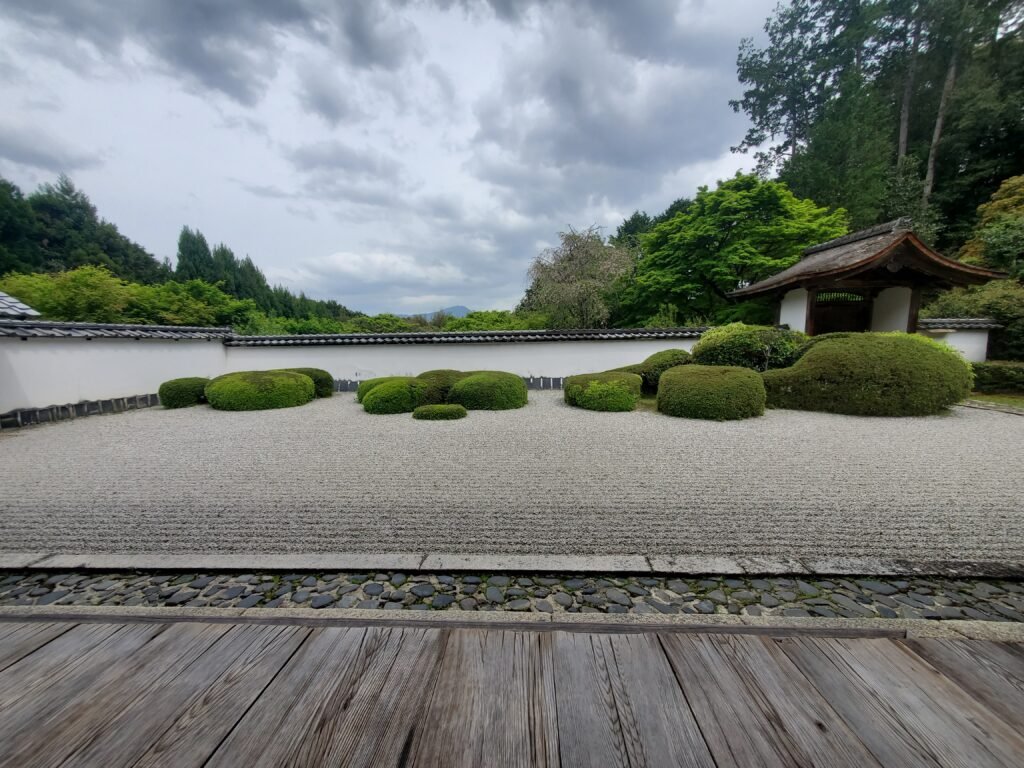
This temple’s blood ceiling was a bit smaller, with one long section, but it felt even more chilling. The planks were much more densely covered in fingerprints and handprints, and some sections were still almost white. This was contrasted by a beautifully raked gravel garden – a small complex which was, once again, strangely serene amidst the haunting ceiling.
We did get another goshuin stamp here from a kind old monk before making the climb back down. After walking for a bit, we sat for a little while on a wall at a small park, soaking in the suburban Kyoto vibes. From then we continued forth to a 7-Eleven, grabbing some drinks and hot food – especially since we hadn’t eaten that day! Japanese convenience stores (konbinis) really do have some tasty choices; I grabbed fried chicken on a stick while Carlos got a corn dog.
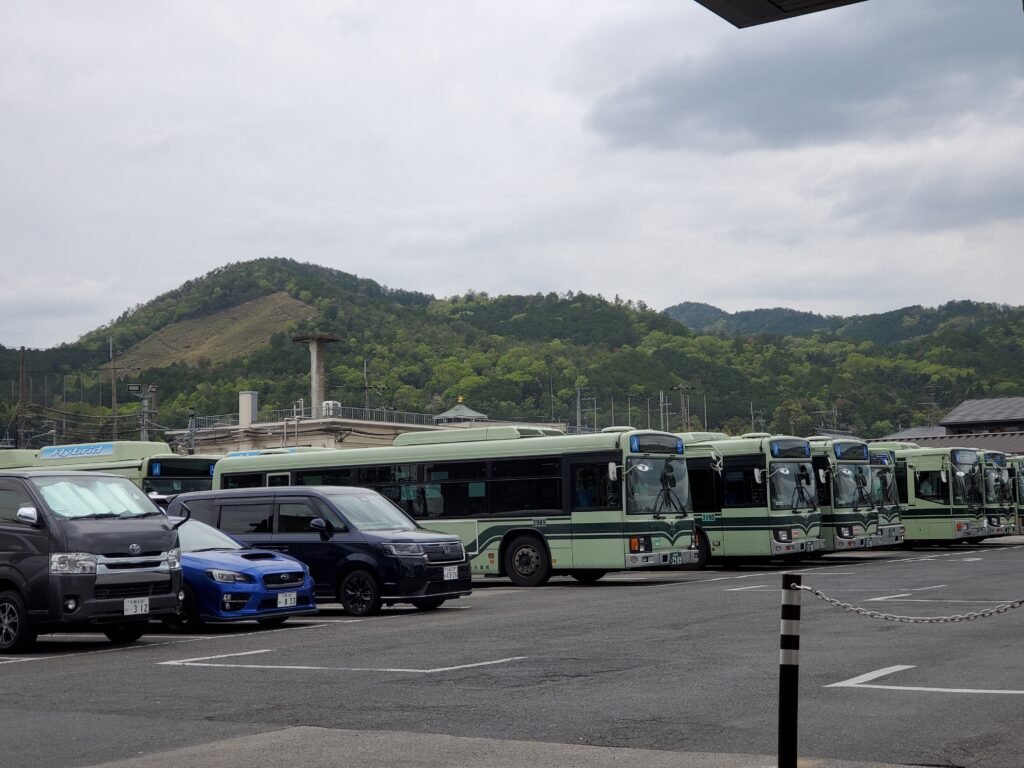
We thought our bus stop was just on the street, but it turned out there was a small bus station with a parking lot across the way. A kind gentleman who was working at the entrance helped us confirm the correct boarding area, so we sat at the station and waited while enjoying our impromptu lunch break, with a cool view of the northwestern hills.
Considering we were stop number 0, we finally got actual seats on the bus! After the first leg, we waited to transfer to the next line at an underground bus station (Kitaoji Bus Station) which was pretty cool. Fortunately, there weren’t too many people in line, so when the bus arrived, we were able to get on right away.
Once we got off, we headed towards our final temple of the day: Higashiyama Jisho-ji, also known as Ginkaku-ji – the Silver Pavilion. To avoid the crowds, we walked in the opposite direction of the main tourist flow, which gave us another quiet, scenic stroll. We crossed a small creek lined with beautiful trees and passed through charming suburban streets before the path began to wind toward the temple, where tourists gradually appeared. At this point, Carlos and I jokingly adopted a phrase we’d repeat a few times: “follow the white people!”
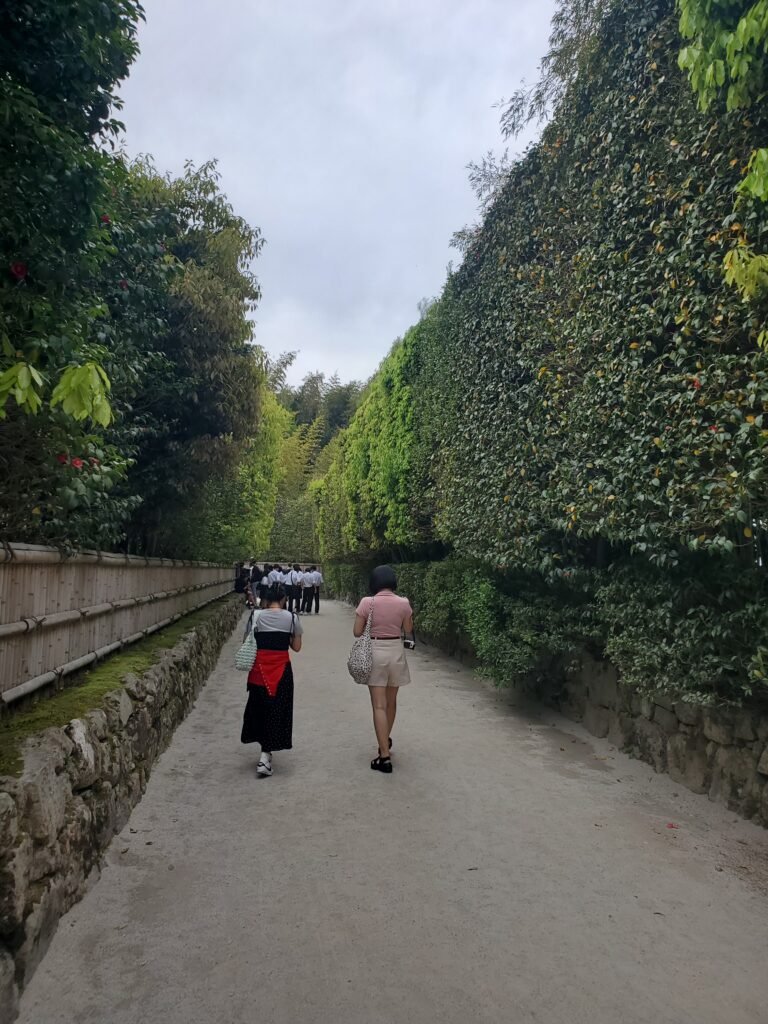
We entered through the main gate and followed a path flanked by massive trimmed bushes. We paid the ¥500 entrance fee, and left our goshuin books at a designated spot to collect on the way out.
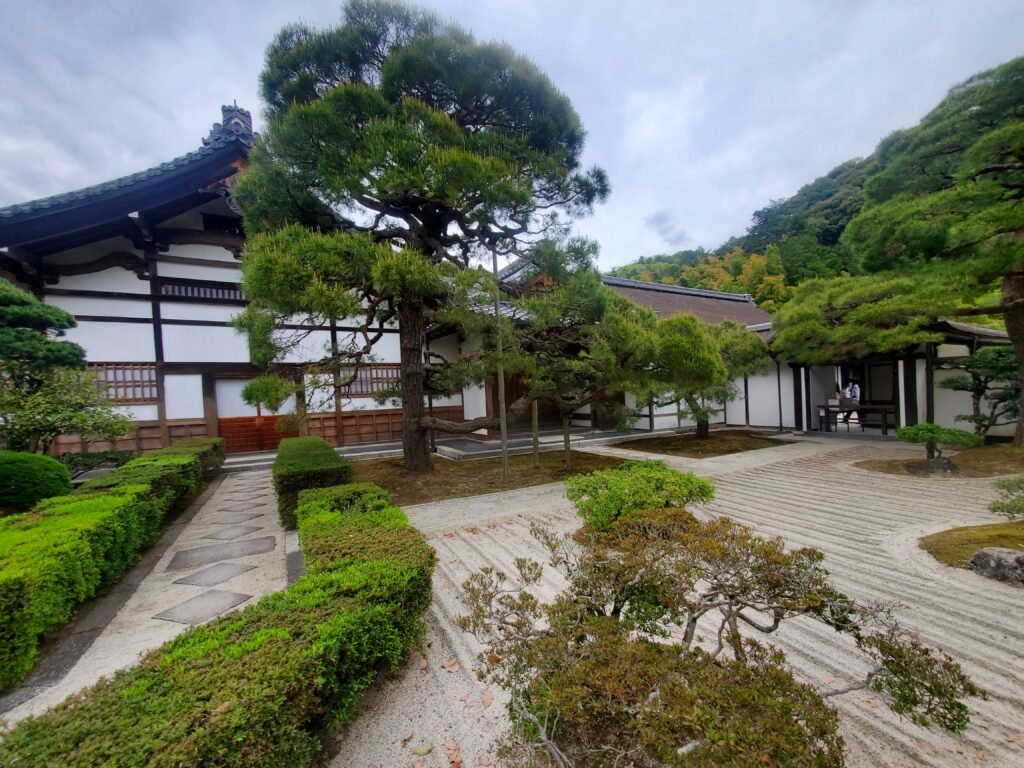
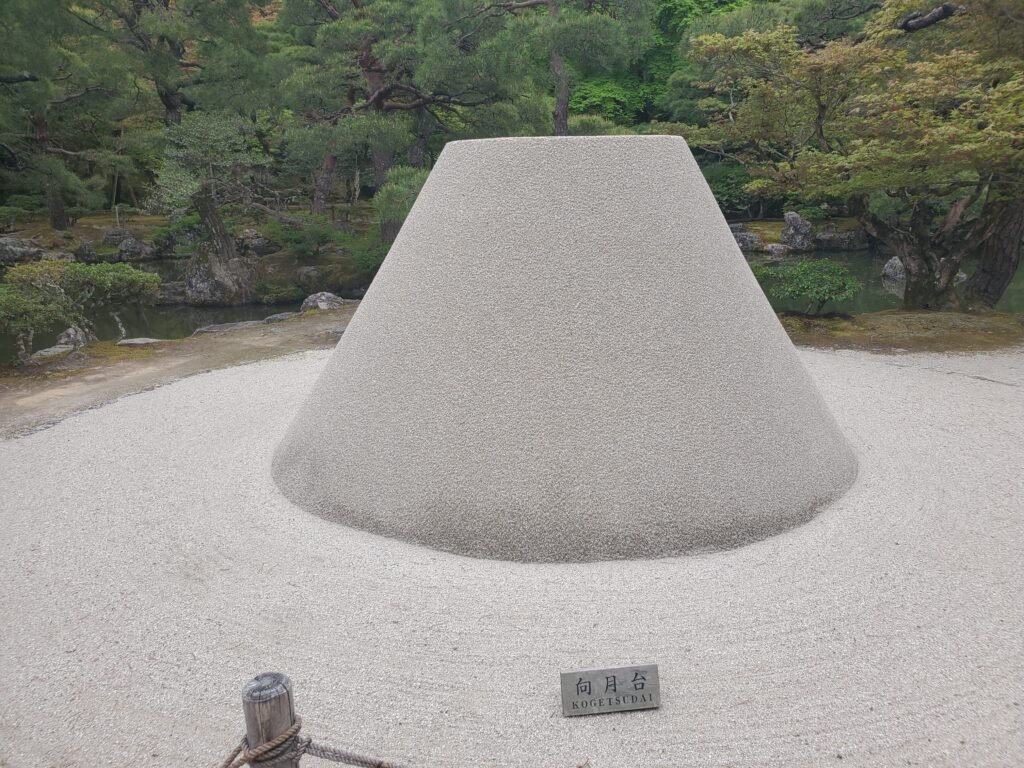
Just like Kinkaku-ji, the grounds here were stunning. We first saw several buildings around a peaceful courtyard, and then walked into the garden area. One of the highlights here is a large mound of raked white gravel called Kogetsudai, which is said to represent Mount Fuji. There are also other gravel patterns nearby – I was a big fan of these throughout Japan.
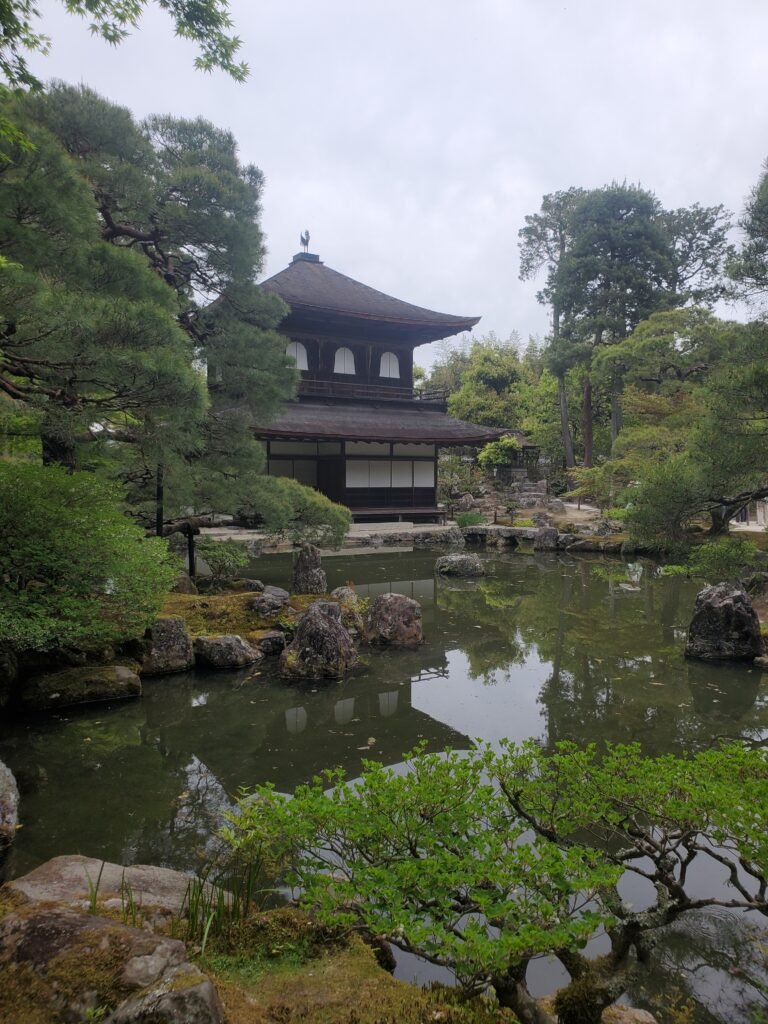
The main feature was the “Silver Pavilion” itself. While smaller than the pond at Kinkaku-ji, it was still beautiful. Unlike the name suggests, it is not covered in silver foil – this was the original plan when it was built, but it never came to fruition.
We also climbed up a small hill towards the back of the complex, with an observation area at the top. This gave us an amazing view of the area, as well as a wider panorama of Kyoto stretching out beyond.
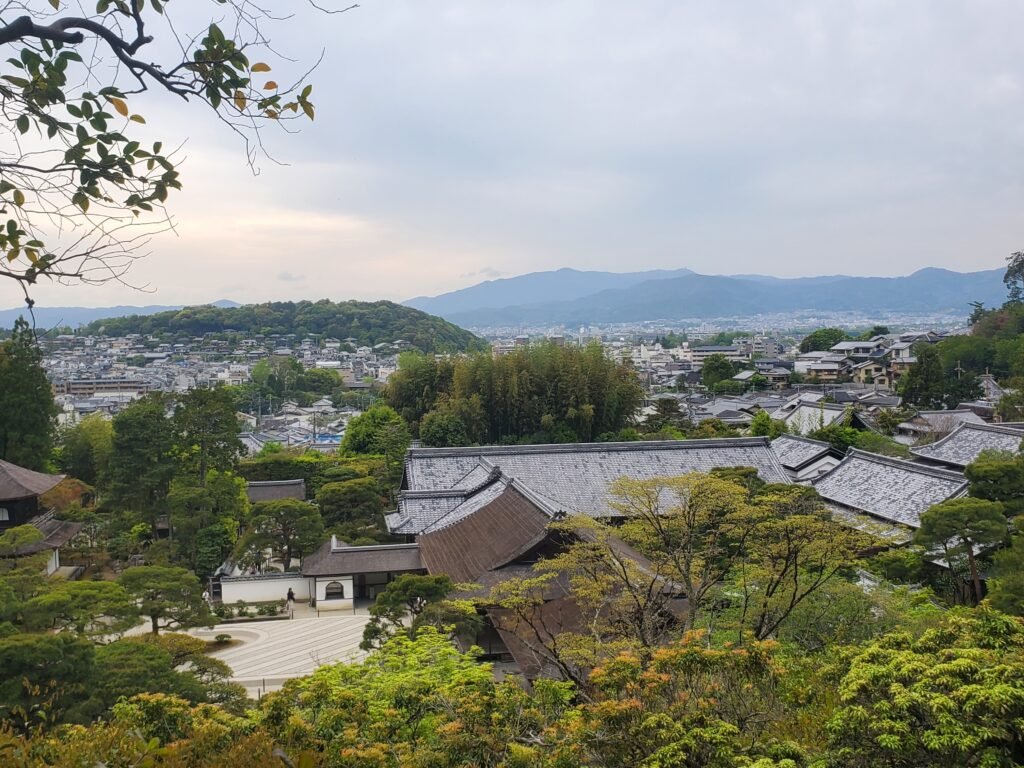
As we headed down, we passed a guy being assisted by a couple people; it looked like he had sprained his ankle. Yikes – wouldn’t want that happening while in a different country! We then left the temple, collected our goshuin books, and ended up with five stamps in one day – pretty good if I do say so myself!
Before catching the bus, we rested on a wall in front of the main gate for a bit. Afterwards, we walked to the Nishimura Liquor Store, where we got a sake bottle for a mutual friend who had been to Japan previously. Interestingly enough, it was wrapped in both bubble wrap and newspaper, which Carlos eventually dried out and kept – kind of cool to have a Japanese newspaper.
After this we took a bus back to the hotel and chilled for about an hour before heading back out for dinner. We decided to return to Ichiba Coji Teramachi, since the food had been so good the day before. I was hoping to try wagyu this time, but the dinner menu was different from lunch, which was a bit disappointing.
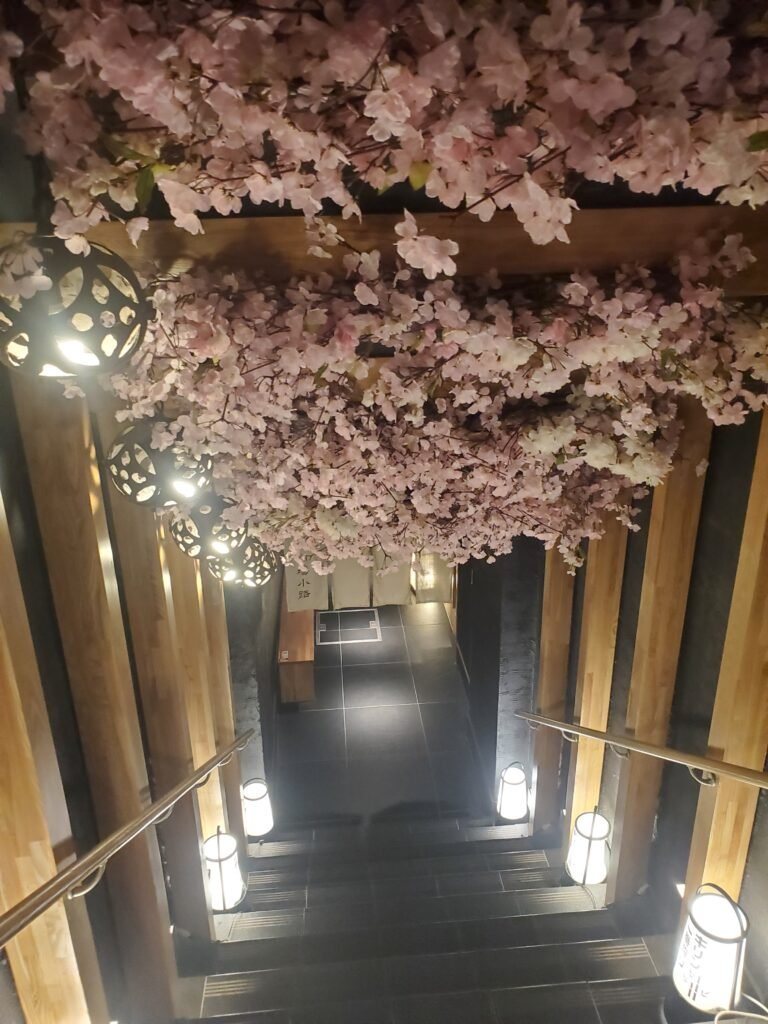
Carlos and I sat at a different table that didn’t have the QR code to order like the day prior. Instead, the code linked to a Japanese app, and we spent ages trying to figure it out. Eventually, we just asked a waiter for help and were able to place our order – the app ended up not being important anyway.
We ordered another type of alcoholic drink, this one more of a sweet berry flavor – and of course it was delicious just like the day before! For food, we both decided on fried chicken topped with tartar sauce, which was absolutely incredible – probably the best chicken I had on the entire trip, and some of the best I’ve ever had, period. Carlos chose udon for his main dish, and it was rich with beef flavor, simmered perfectly and very satisfying. I ordered garlic rice as my main dish, but it took forever to arrive – the only downside of the restaurant we experienced.
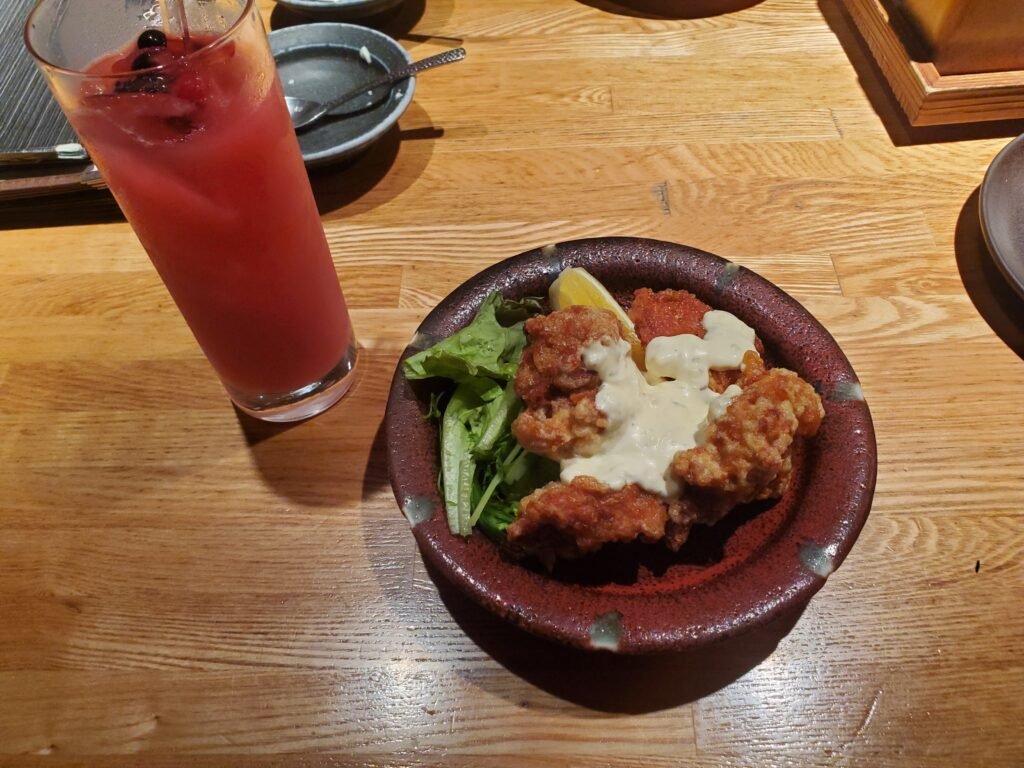
Carlos was starting to get a bit antsy since we wanted to do a lot of shopping before most stores closed around 8 pm. After checking with the waiter, we found out they had forgotten to make my rice! When it finally arrived around 7:40, I just scarfed it down – it was absolutely delicious, though I didn’t even take a photo because I was too hungry and eager to get moving.
Luckily, there were still plenty of shops open, and we managed to pick up a variety of gifts for friends and family. I don’t remember everything we bought, but Carlos at least got some plushies, a keychain sword, and sake-flavored KitKat for a mutual friend, as well as some Pokémon cards from a small shop for his little brother.
Afterwards, we headed back to the hotel, and I decided to go down to Don Quijote to see what was there. On the way, I picked out some nice chopsticks and a coin purse for myself along with a few other small gifts. This coin purse would become very useful for keeping track of all my local currencies while traveling. At Don Quijote, I also found a few things for friends and family. Being so close to that shopping street really worked out – it made it easy to grab last-minute gifts and souvenirs without much stress.
By the end of the day we had visited tons of temples, collected 5 goshuin stamps, and wandered through quiet neighborhoods far from the tourist areas of Kyoto. It ended up being one of my favorite days of the entire trip, and the perfect way to experience the city’s historic sites before heading to Nara the next morning.
[…] Read about my full day in Kyoto! […]