

Cuba was one of the most interesting countries I’ve ever traveled to. When people think about this country they think of the “Three C’s” – classic cars, cigars, and communism, but there are many more layers to its people, culture, and everyday life. I was in Havana for 3 nights, including a day trip to the beautiful Viñales Valley, and I came away with far more observations than I expected. Here are some of the biggest things I learned while visiting Cuba.
Cuba Felt Safer Than I Expected
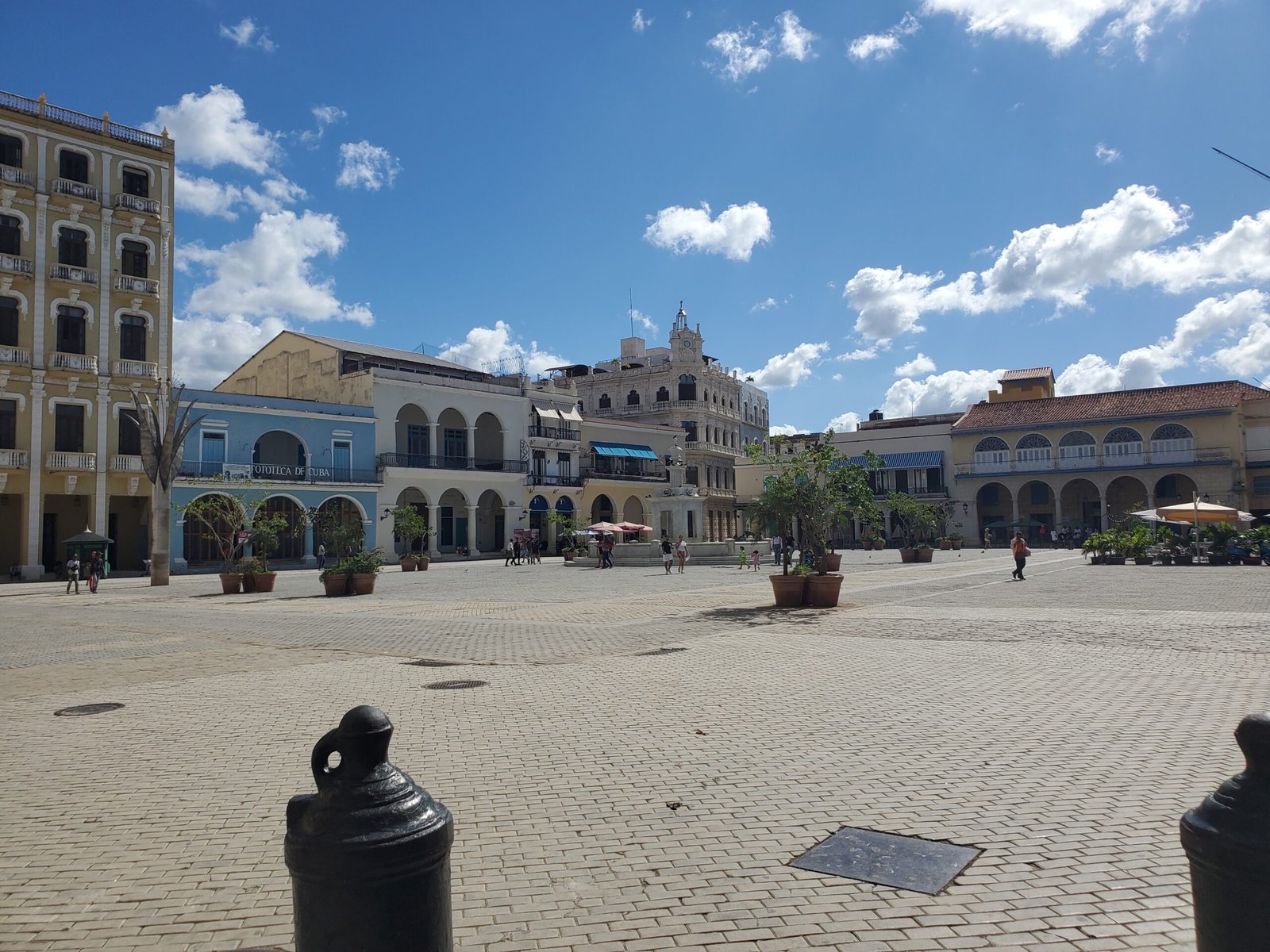
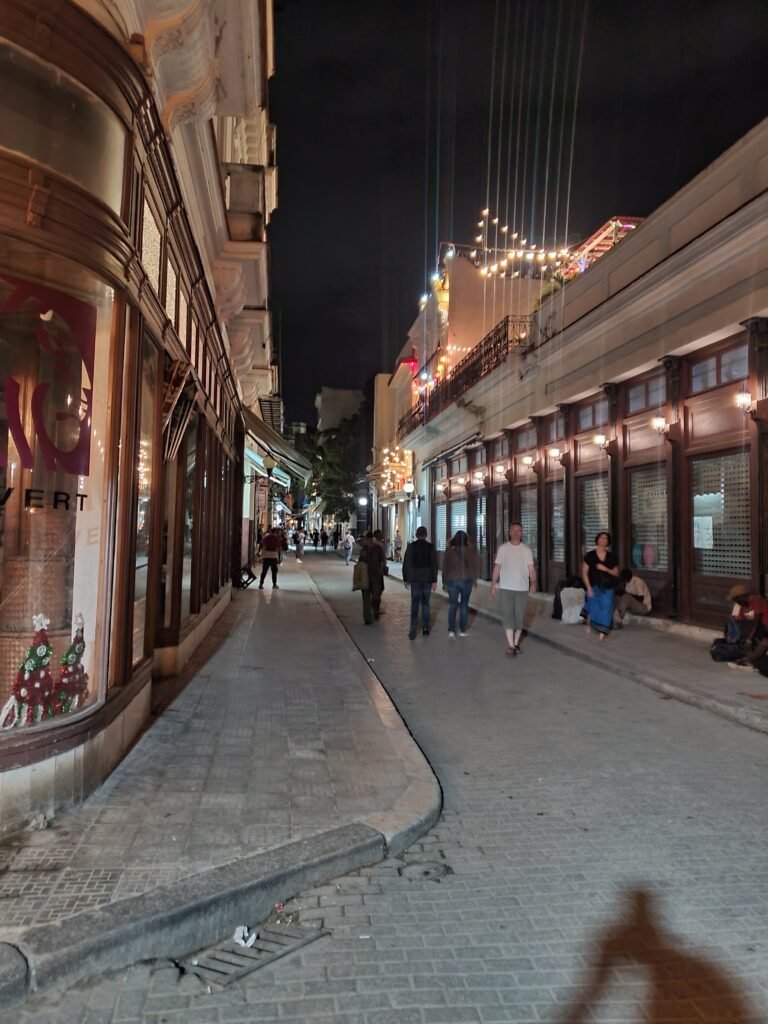
One of the most surprising things to me was how safe I felt in Cuba. At night, Old Havana was a bustling hub of life, with people of all ages chatting on street corners, eating at restaurants, and simply enjoying the evening. What really struck me was the fact that women and children walked around on their own late into the night. It actually felt safer than Nassau, where I had spent the previous 2 nights.
Of course, my experience doesn’t necessarily reflect what every visitor will encounter. You should still be aware of pickpockets and petty theft, particularly in tourist areas. Personally, I kept my money and phone in a small pouch underneath my shirt, but I thankfully never had any issues. It was a good reminder that our expectations don’t always match reality.
The Hardest Part of Visiting Was Seeing the Poverty
However, just because I felt safe the whole time didn’t always mean I felt comfortable. To be honest, the most difficult part about my Cuba trip was the poverty. There were many homeless on the streets, and people constantly asked me for money. Now, this could be manageable – but I was approached by a number of people who each had different ways of trying to get money from tourists, and it got to a point where I was genuinely frustrated and just stayed in for a few hours one night. I’ll give a few examples.
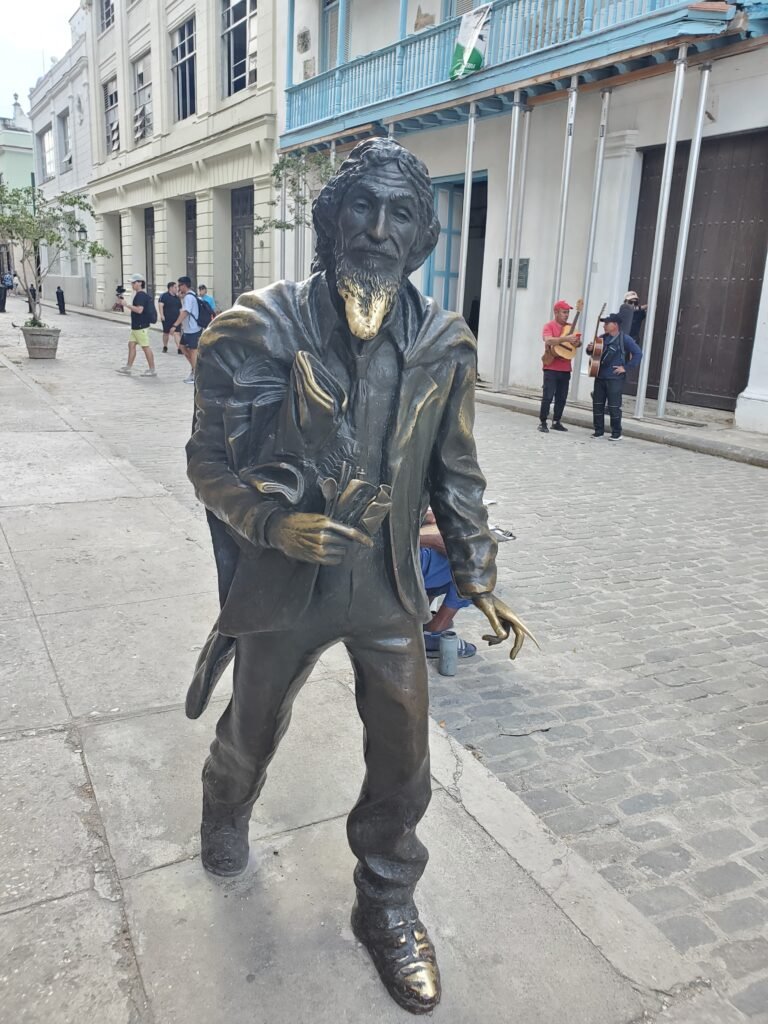
First of all, there might be street musicians who sing songs to you upon learning your name. In other cases, people might come up to you and ask you where you’re from. I eventually came to realize that telling people I was American often made them see me as someone with money. Then they’ll ask you where you’re heading, or if you want a tour. Of course, then they’ll ask you to pay them afterwards.
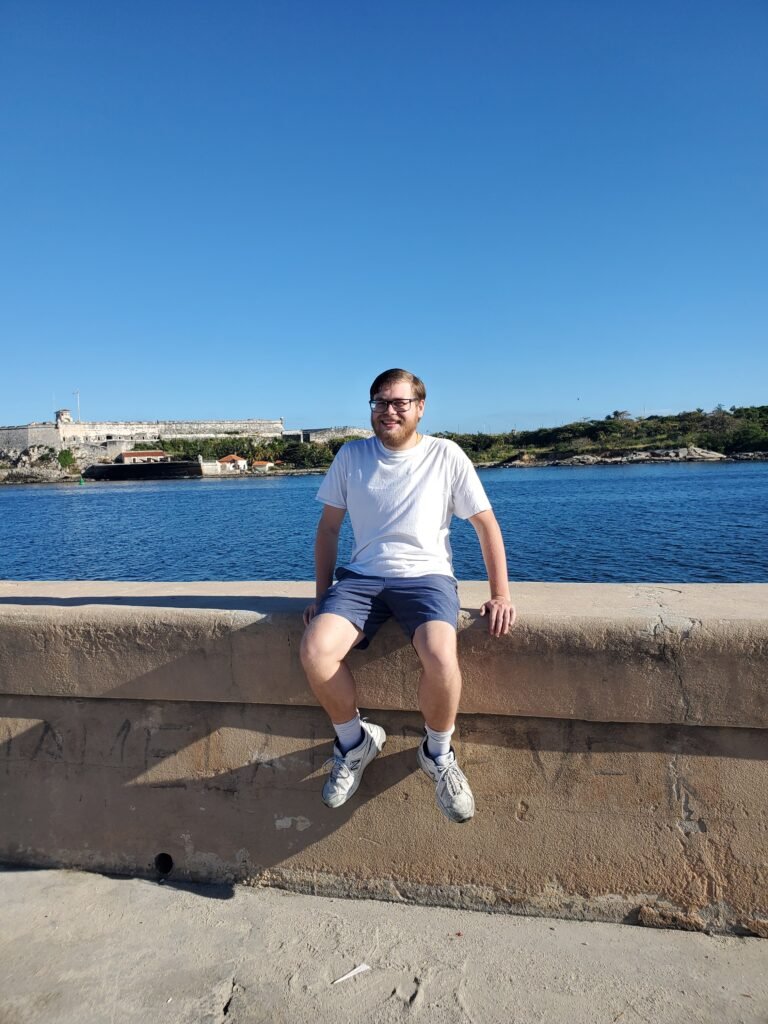
Sometimes this can be worth it – I met a guy who walked with me down by the waterfront, showing me some different statues and old buildings as well as telling me about a tunnel which passes underneath the bay to the other side. He even got some nice pictures of me. However, he asked for $30 for about a 20 minute tour – I ended up only giving him $20.
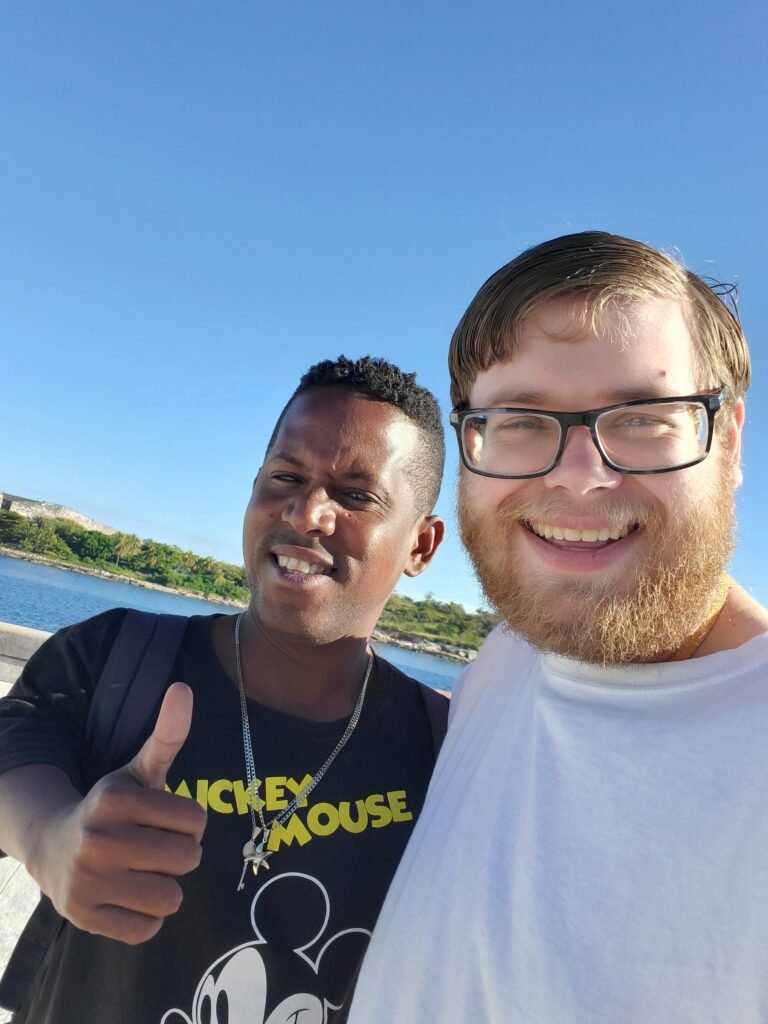
In another case though, some random guy was just asking where I was going and when I told him, he walked with me even though I knew where I was going – and then asked me for $20, despite the fact that I had never requested his help. Another time, a woman briefly convinced me to check out a shop with some handmade cigars, but I wasn’t sure if I could bring them back to the US (it is not legal, as it turns out) – and they were a bit expensive. Then, after specifically having told me she wouldn’t ask for any money, she did! I gave her $5 out of sympathy, but she said it wasn’t enough – despite that being quite a bit of money as far as Cuba goes. I basically said take it or leave it and that was that.
Part of me understood why they did it – tourism can earn them far more than the average monthly wage – but also I honestly just felt like some of them were being ungrateful. But it was definitely one of the saddest aspects of my trip, because it made me wary of people approaching me. At a point, it became difficult to tell whether someone genuinely wanted to talk or was just hoping I’d eventually give them money. Eventually, I found myself prefacing conversations by saying, “I’m not going to give you any money.” Overall, I genuinely liked the Cuban people, but that particular aspect of my visit left a sour taste.
Daily Life Is Full of Resource Shortages
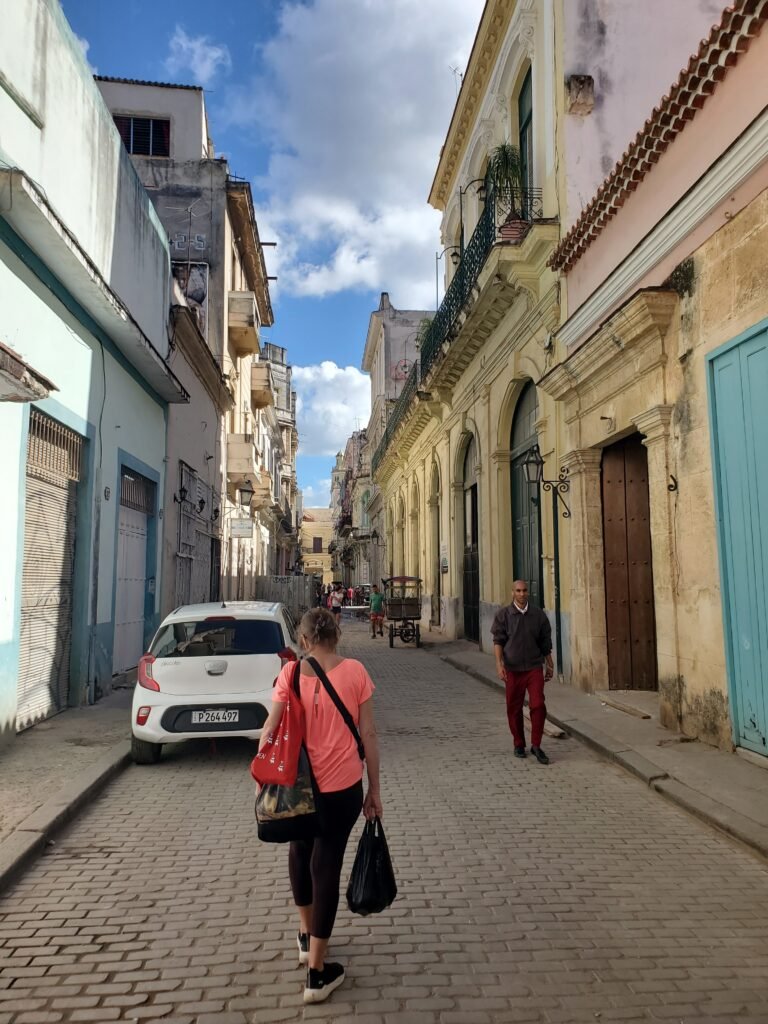
But that doesn’t mean I had no sympathy for Cubans. As I quickly learned, public services are often lacking – even in a major city like Havana. Even touristy restaurants were often out of certain items – I had to choose different options several times. While I didn’t visit any, one of my tour guides, Zu, told me about how the museums can have odd hours or be unexpectedly closed certain days.
The most well-known of these are the rolling blackouts which occur throughout the country. I was lucky and did not experience any while in my apartment in Old Havana, but I’m sure it would have happened if I stayed anywhere in the rest of Cuba. The power is commonly out for 12+ hours at a time, and in more recent months has even lasted several days at a time or more.
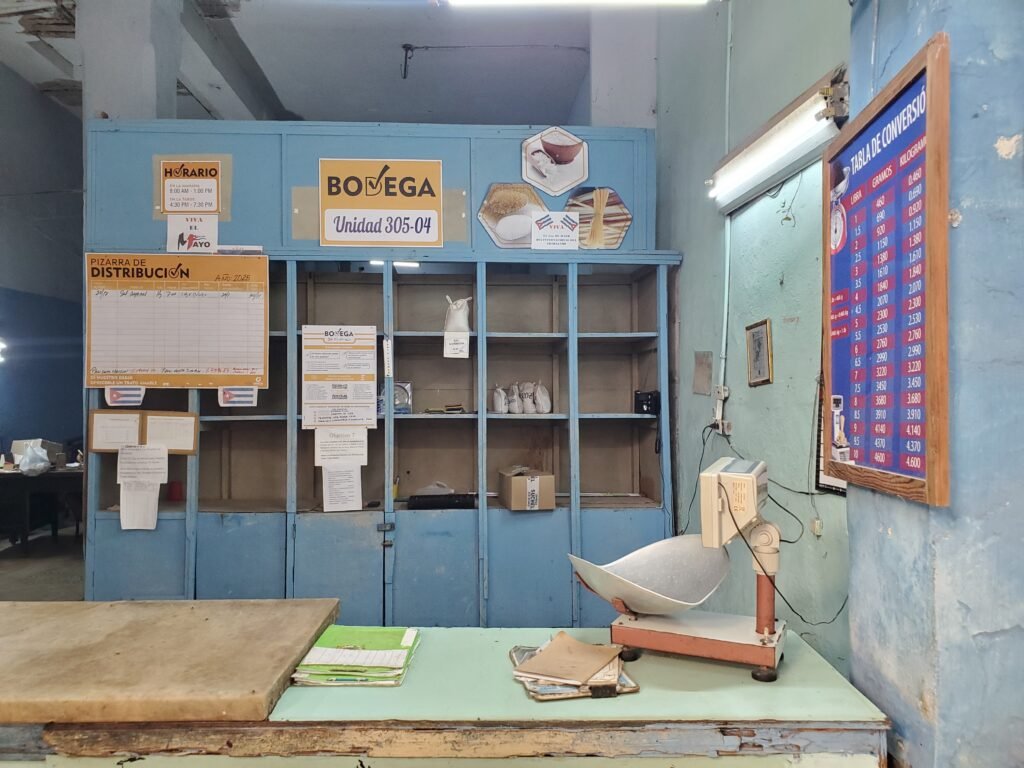
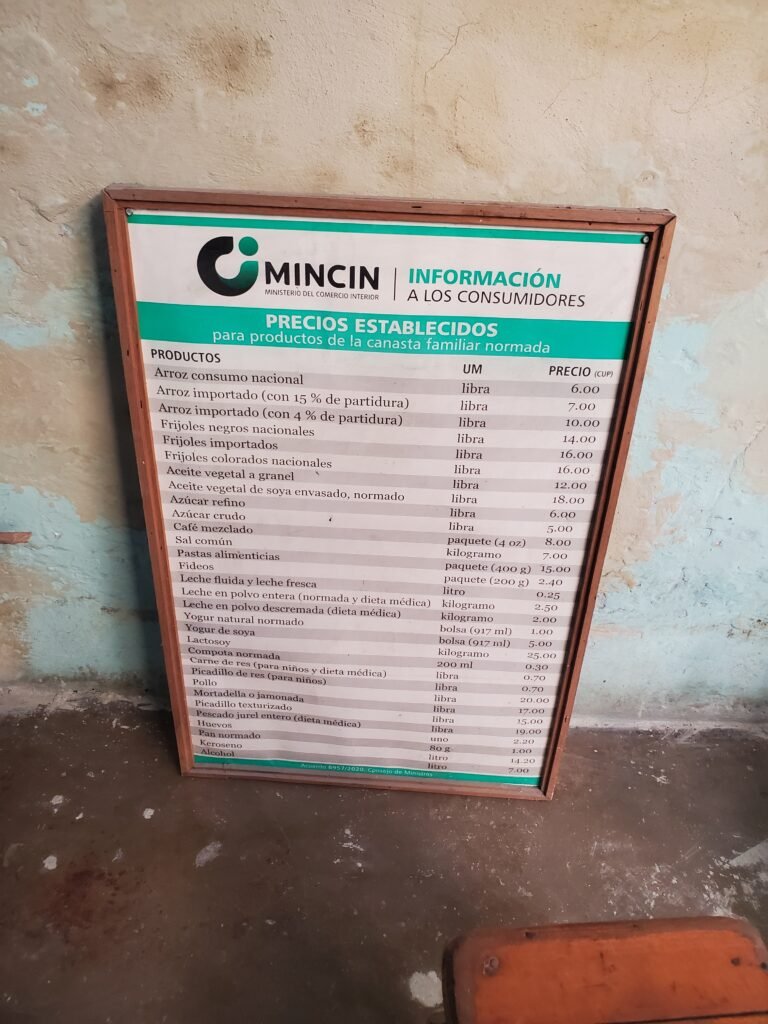
Additionally, lines form at bus stops for vehicles which will almost certainly not be on schedule, being potentially hours late if they even show up. There were also massive piles of trash piled on street corners from a lack of garbage trucks. Government-run bodegas, which distribute basic food through Cuba’s rationing system, allow each family member a certain monthly allotment. Unfortunately, the shelves are often nearly empty. It was just sad to see.
Zu had a phrase she often liked to tell me. There were many times where I’d say “That’s crazy!” And she would just smile and respond, “That’s Cuba!” It’s a common mentality, and she told me was just happy that day since she woke up with power and water. It definitely made me appreciate what I had back in the States.
The Exchange Rate Is Better Behind the Scenes
Cuba effectively has multiple exchange rates. The official rate is around 25 CUP to the US dollar, while the government exchange counters available to tourists offer a much better rate. However, many Cubans exchange money privately, where the rate is significantly higher. While many places will let you pay with USD, it’s better for your money to just exchange it. Also, Cuban money is a cool souvenir to bring home!
You will be staying at a casa particulares when you visit, as it is basically the only way to visit legally for Americans (read more here). In most cases, your host should be able to show you where to exchange money. In my case, I was shown to a local woman who exchanged money from her apartment – and she gave an amazing rate of 450 CUP to $1. Just be cautious and make sure you have a trusted local helping you out.
Many Cubans Are Seeking Spanish Citizenship
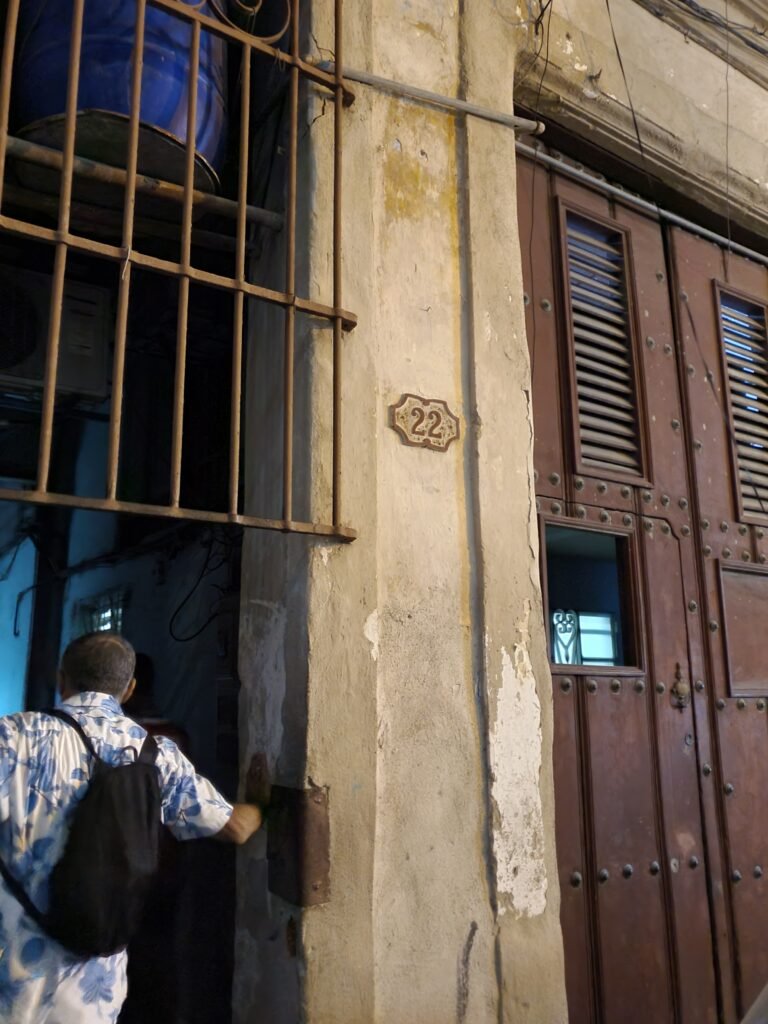
One of the smaller yet more interesting tidbits I learned about in Havana was the long lines at the Spanish embassy every day. In both 2007 and 2022, Spain passed legislation allowing many descendants of Spanish citizens to reclaim citizenship. This means that if Cubans can prove that they have Spanish heritage, they have a way to leave the country and become a citizen of Spain after only 2 years of living there. As such, people jump at the opportunity even if they don’t have all the right paperwork. The embassy actually became so bogged down that a second location in Cuba was opened just to help with this process.
Tourism Pays Far Better Than Most Jobs
Tourism is often considered a lifeline to Cuba. This is because it makes its citizens so much more money than their monthly salary or pensions. For example, Zu had a masters degree and still only made 3700 CUP a month. Even using the government’s own exchange rate, that is less than $30, and realistically is less than $10. With tips from her walking tours, she makes more than that in a day. There was also a fun moment after her tour in which we walked to where I was staying and I was able to break down a $100 bill for her as it was too large to exchange anywhere local – she was super appreciative and really a great guide overall.
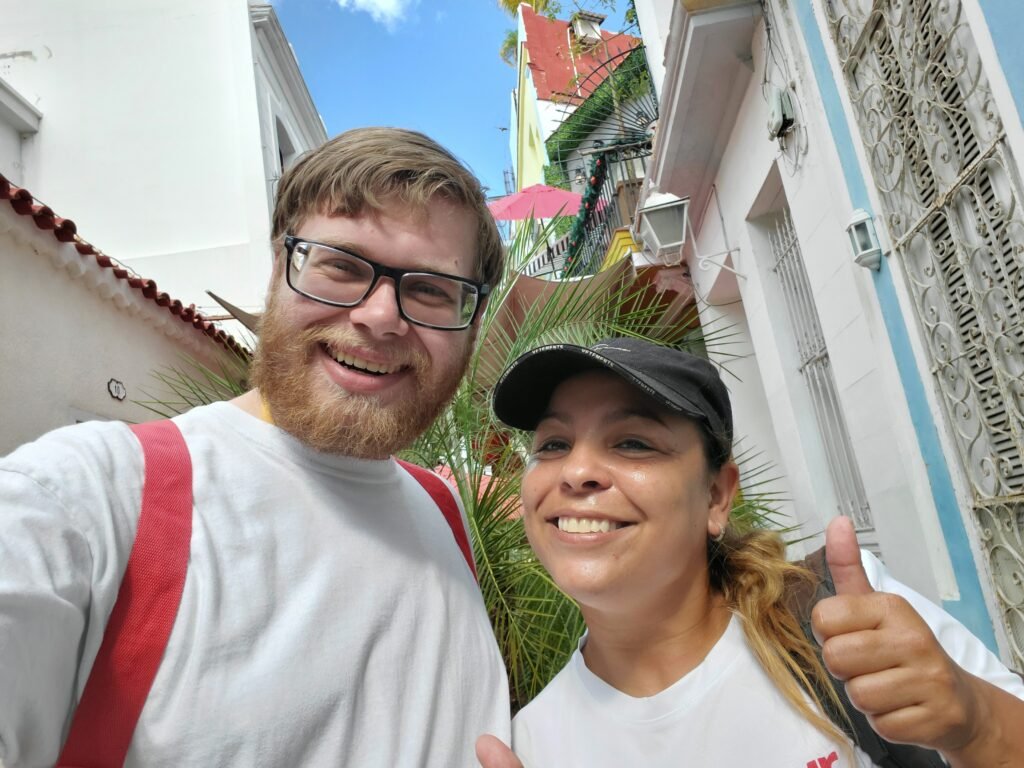
In fact, a lot of the Cuban tour guides are quite talented. Of course, all the ones I had were bilingual English and Spanish. But for my Viñales day tour, our guide was a girl around my age who is still in college and she also spoke Portuguese, as we had some Brazilian tourists alongside a few from Spain. As such, it ended up being a triple-language tour!
American Tourists Are Rare
Despite being only about 90 miles from Florida, I saw surprisingly few American tourists while I was in Cuba – and the sentiment was actually echoed by locals, who were generally surprised to hear where I was from. I only personally met 2 other Americans, a couple from Chicago that were also on my Viñales tour. It was actually funny to me as I had only just visited there for the first time the prior Thanksgiving.
Interestingly enough, a lot of the locals really seemed to like Americans – not just because they spend money – but due to our visiting restrictions. Unlike many Europeans who spend their money in the government resorts (like one of the Spaniards we picked up for the tour), we are required by the U.S. government to only stay at local homestays and support the people directly. You can read more about how to visit Cuba as an American here.
The Classic Car Trope Is Totally Real
One of the first things that greeted me upon my arrival was the classic cars. It was one of the things I was most excited to see in Cuba! I had a pre-arranged taxi through my Airbnb host, where I got to ride in a beautiful 1954 Mercury. I also had the same driver and car on my way to the airport the last morning.
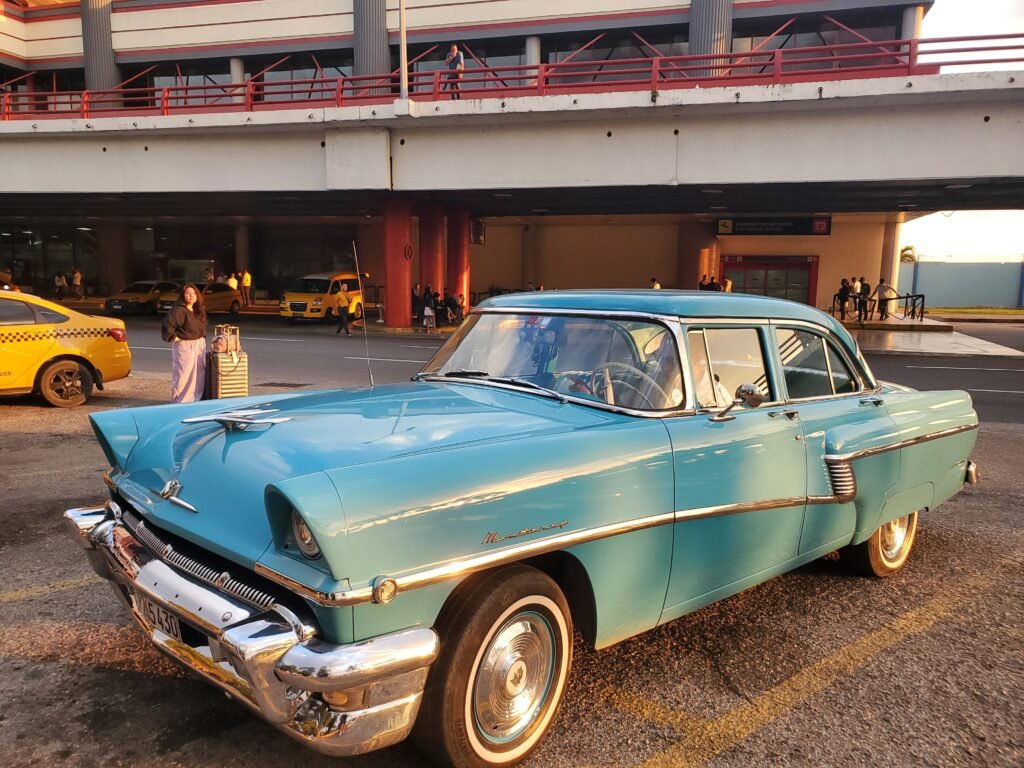
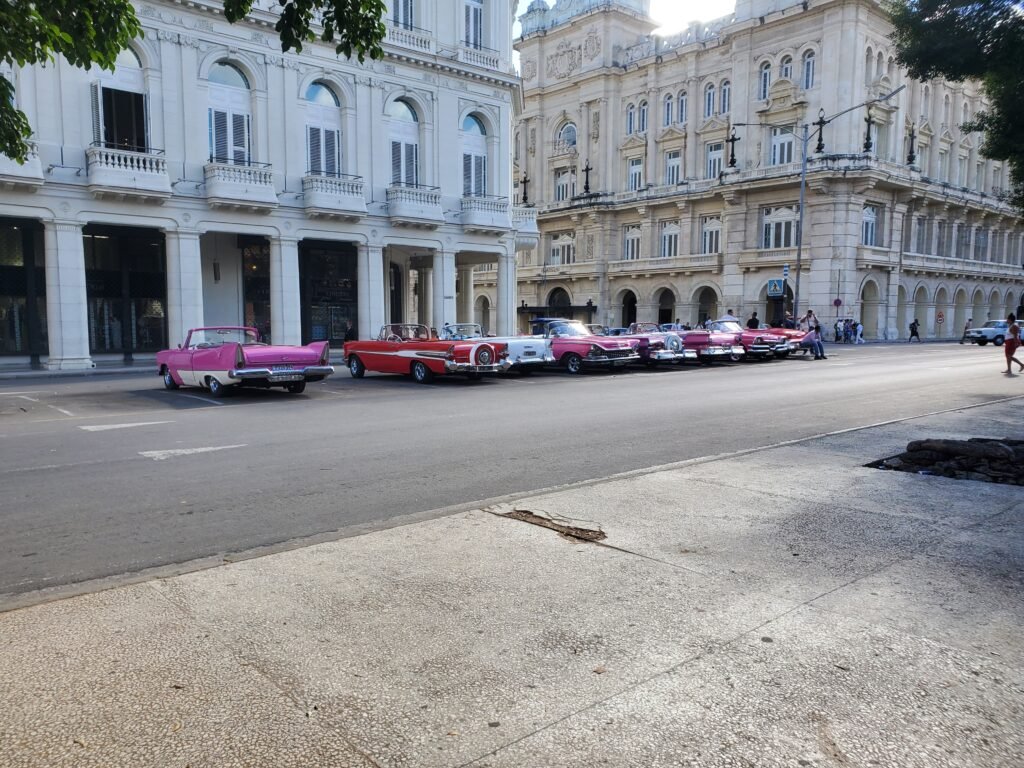
Classic American cars being used as everyday transportation in Cuba is 100% real, and it is one of my favorite things to tell people about my visit. Of course, most weren’t shiny and cleaned up – these were typically the tourist vehicles. There were guides who offered paid tours of Havana by old car, and they would be lined up near the Central Park. Based on what I saw, I’d estimate around 10–20% of the vehicles were classic American cars from the 1950s.
It was actually a common sight to see them being repaired in the thin streets of Old Havana. Many Cubans keep these cars running through constant repairs because replacing them simply isn’t an option. Coming from the United States, where replacing a car is often easier than repairing one, it was fascinating to see mechanics keeping vehicles from the 1950s on the road every day.
Transportation Is Much More Diverse Than I Expected
What really did surprise me about Cuba was how many different forms of transportation there were. Another interesting type of car they had were old boxy Soviet models, such as the Lada. These were probably 15-20% of the cars I saw and date back to when Cuba and the USSR had a strong relationship. I figured Cuba would mostly consist of classic American cars and the old Russian ones, but I was also surprised by how many newer imported vehicles I saw.
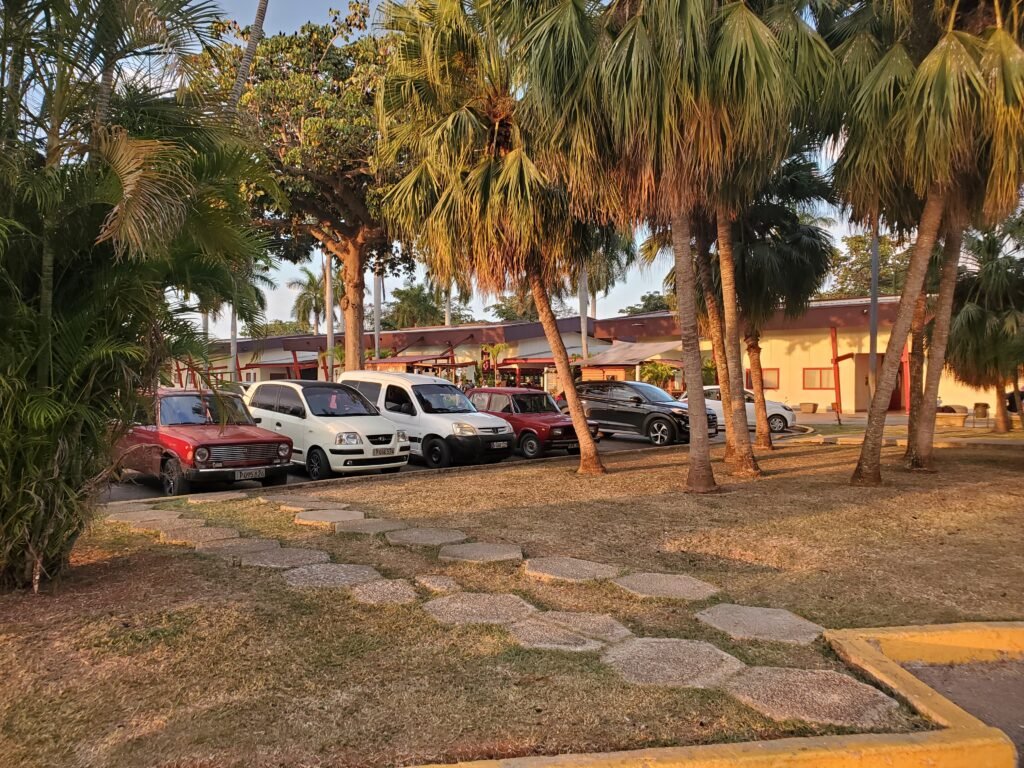
Motorbikes are also quite frequent, and so were cyclists. Interestingly enough there were also quite a few bicycle rickshaws, both within Havana and also on the highways! But what was really surprising was the amount of horse-drawn carts along the side of the highways. Overall, it seemed that many Cubans relied on alternatives to private cars, whether that meant motorcycles, bicycles, horse-drawn carts, or bicycle taxis.
Highways Are Mostly Underutilized – Besides Hitchhikers
While the roads within Havana had plenty of people and vehicles, the highways outside the major cities were quite empty. There were surprisingly few cars, with cyclists and horse-drawn carts being much more likely to share the road. The roads themselves did not seem well-maintained, and could be pretty rough. Even the road lines seemed more like suggestions, as we would often be in the middle of two lanes – perhaps it was less rough that way?
What was much more common to see was people on the sides of the highways. We saw tons on our way to Viñales, and occasionally I saw some getting picked up. Hitchhiking is so common in Cuba that it’s effectively part of the country’s transportation system. With limited fuel and inconsistent public transit, many people rely on rides from passing vehicles. A curious fact is that government vehicles are legally required to pick up hitchhikers if they have an empty seat!
Police Have a Very Visible Presence
Another common sight to see was police. I never felt threatened by them – in fact, it didn’t even look like they had guns, just batons – but it felt like they were everywhere. I saw them wandering around Havana a few times, usually either one or two. They were also common to see in Miramar, the richer area of the city, at basically every stop light intersection. I don’t remember them directing traffic, but they often have to do so because of the rolling blackouts and variety of different vehicles.
There were also occasional police checkpoints on the highways. Sometimes we went directly through, but other times they had the van stop while they presumably checked the driver’s papers and the car registration. We were even pulled over once where the same thing happened. Overall, we were stopped three different times on the round trip to and from Viñales. However, the checkpoints appeared to be routine rather than anything out of the ordinary.
Havana Is One of the Oldest Cities in the Americas
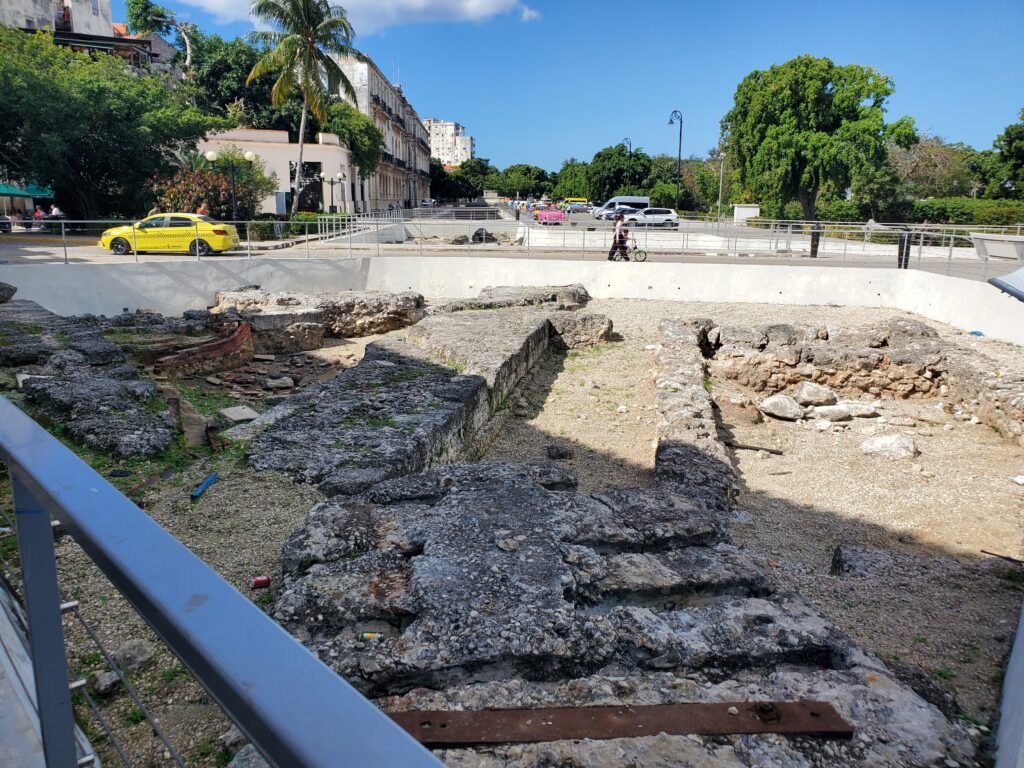
Havana itself is an extremely old city. I had just visited St. Augustine a few days prior, and as it turns out there was also significant Spanish history here – including several forts from the 16th century. Another impressive fortress is La Cabaña, built in the late 1700s, and is one of the three largest Spanish forts in the Americas (alongside ones in San Juan, Puerto Rico and Cartagena, Colombia).
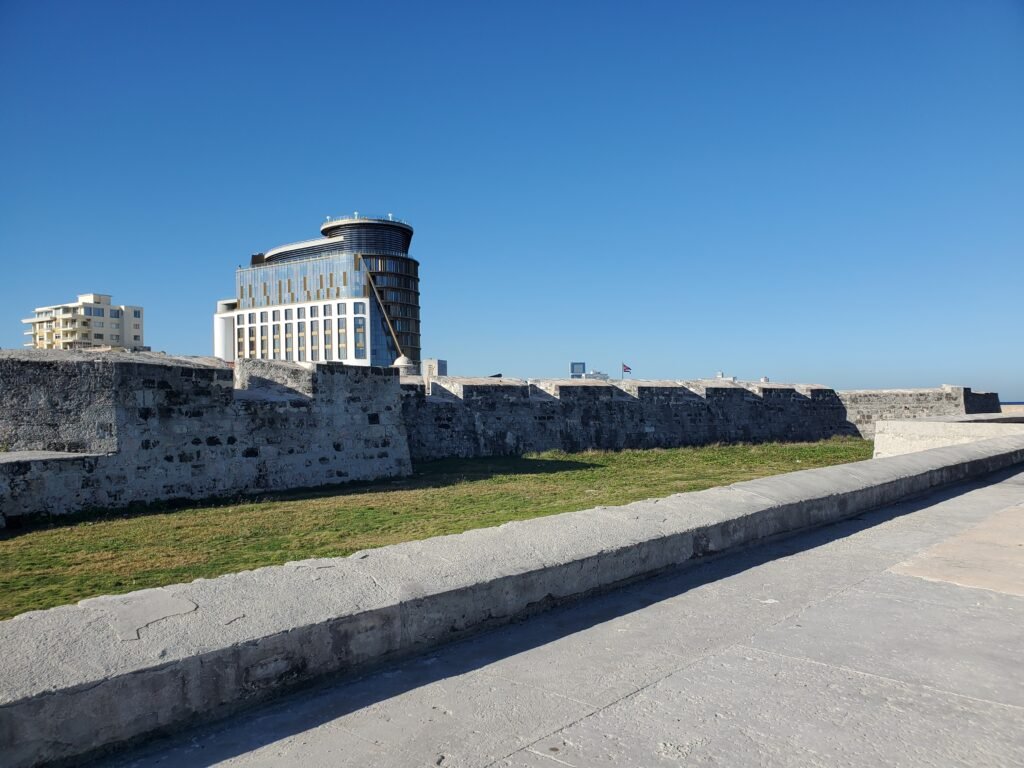
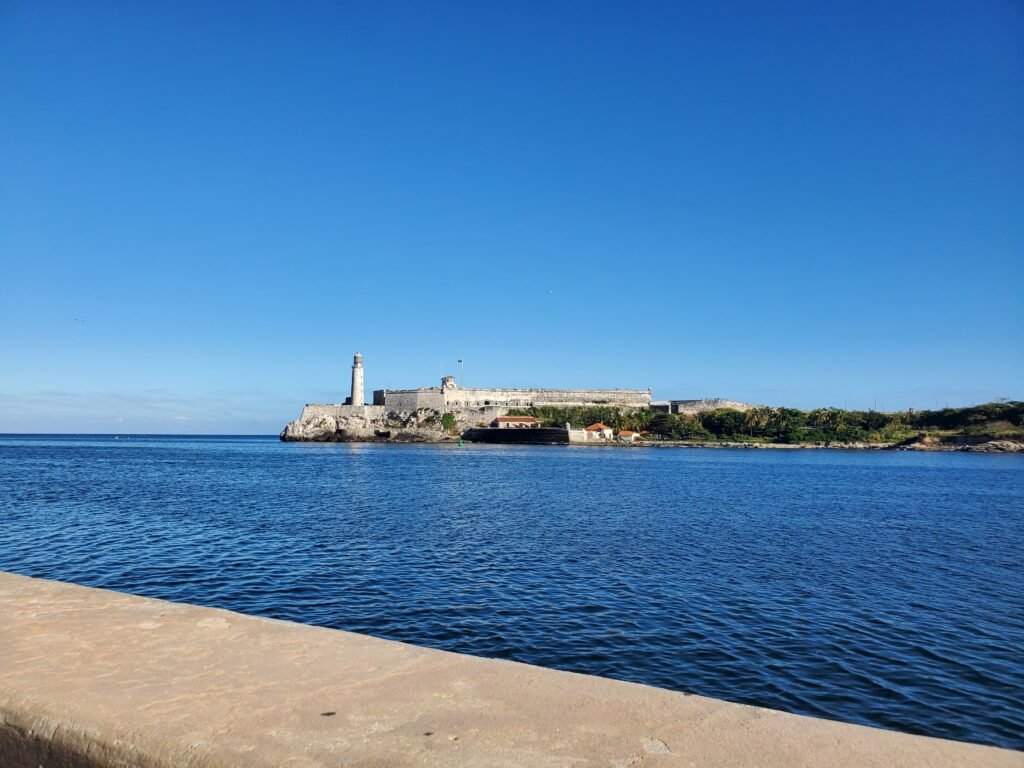
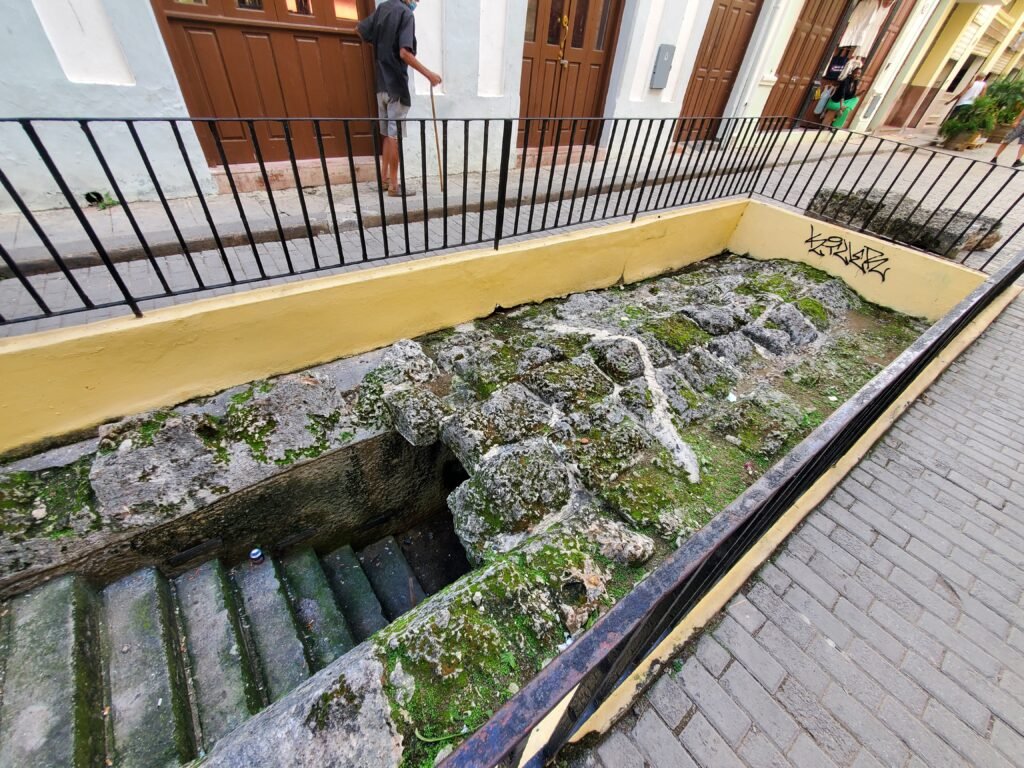
On my Old Havana tour, I saw parts of the Spanish wall as well as sections of the canal which ran underneath the city, both of which were constructed in the 1500s. Much of this area still follows its original Spanish colonial street layout, and this is still reflected in the many one-way streets of Havana. Because they were built for mainly horses and pedestrians, the lanes are too thin to accommodate multiple cars.
The Architecture Is Beautiful – And Falling Apart
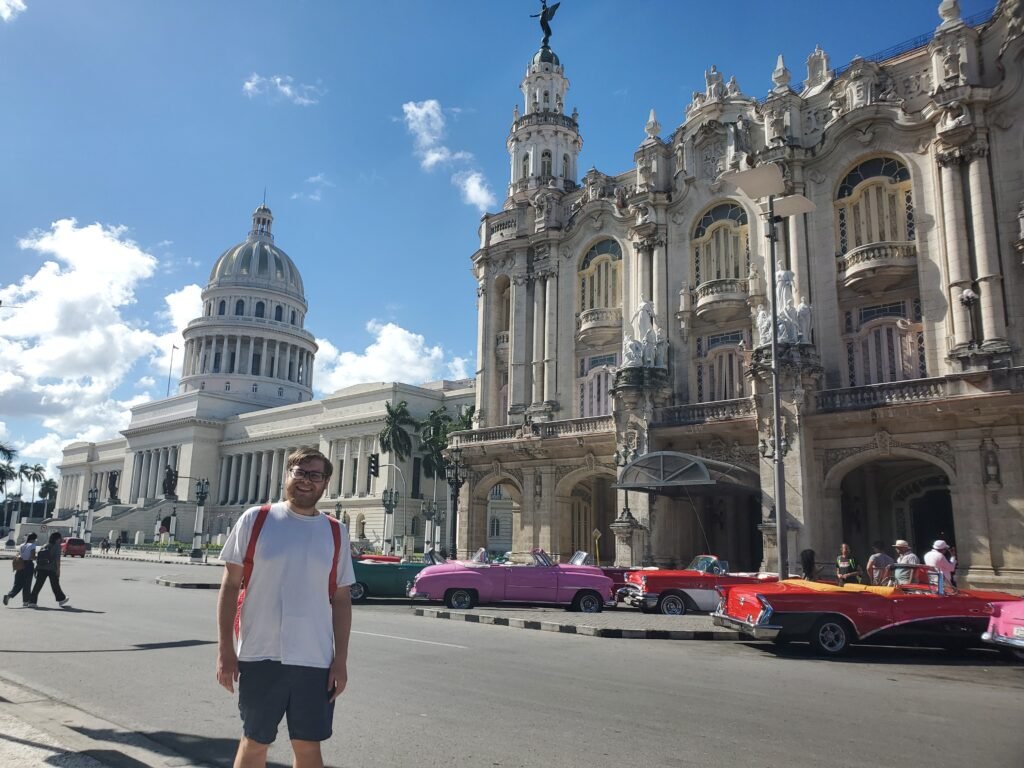
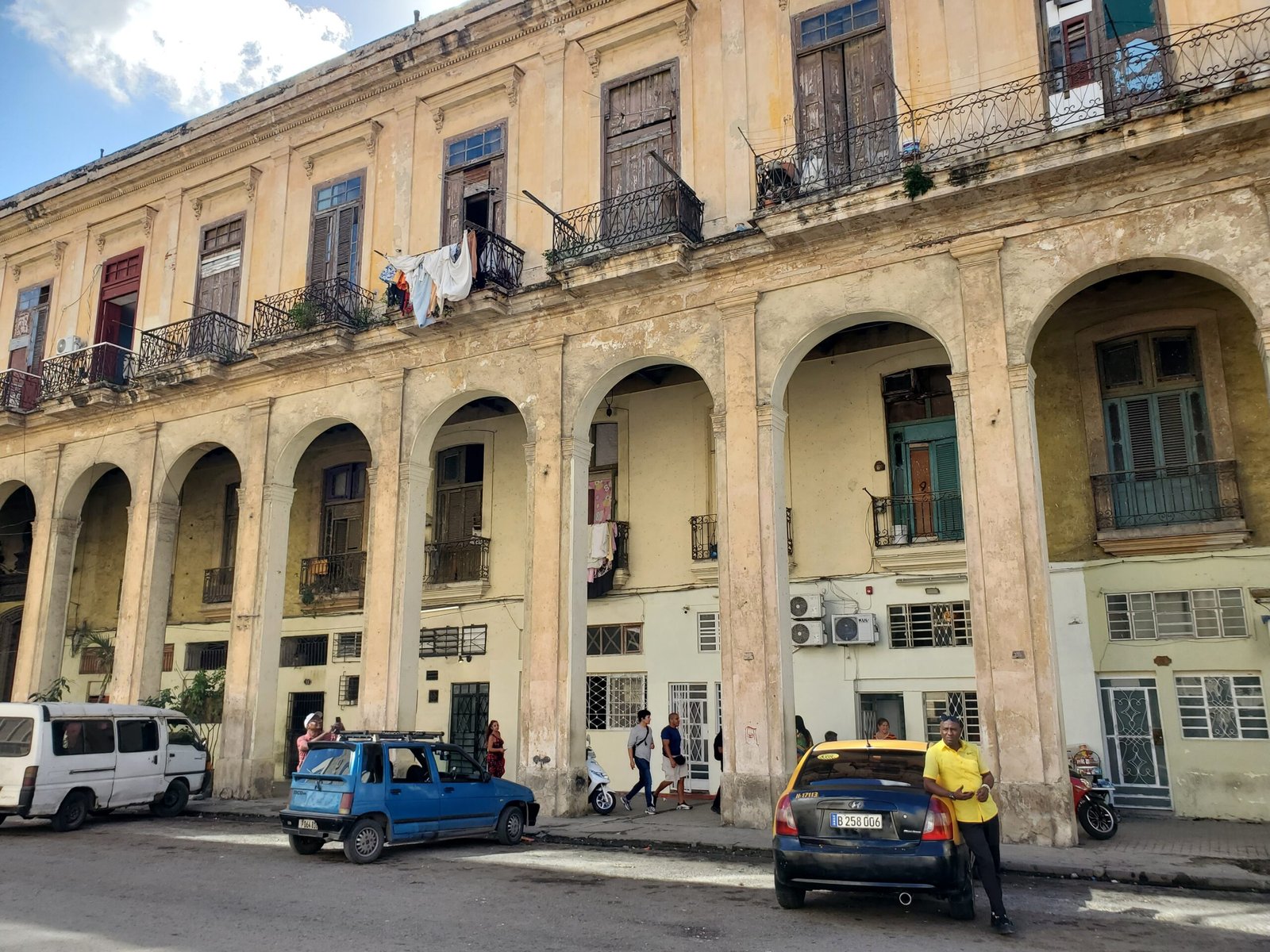
I loved a lot of the architecture in Cuba. The Capitol is a beautiful piece of work, and many of the structures around Central Park are pristine European-style buildings. But unfortunately, much of it seems to be a façade.
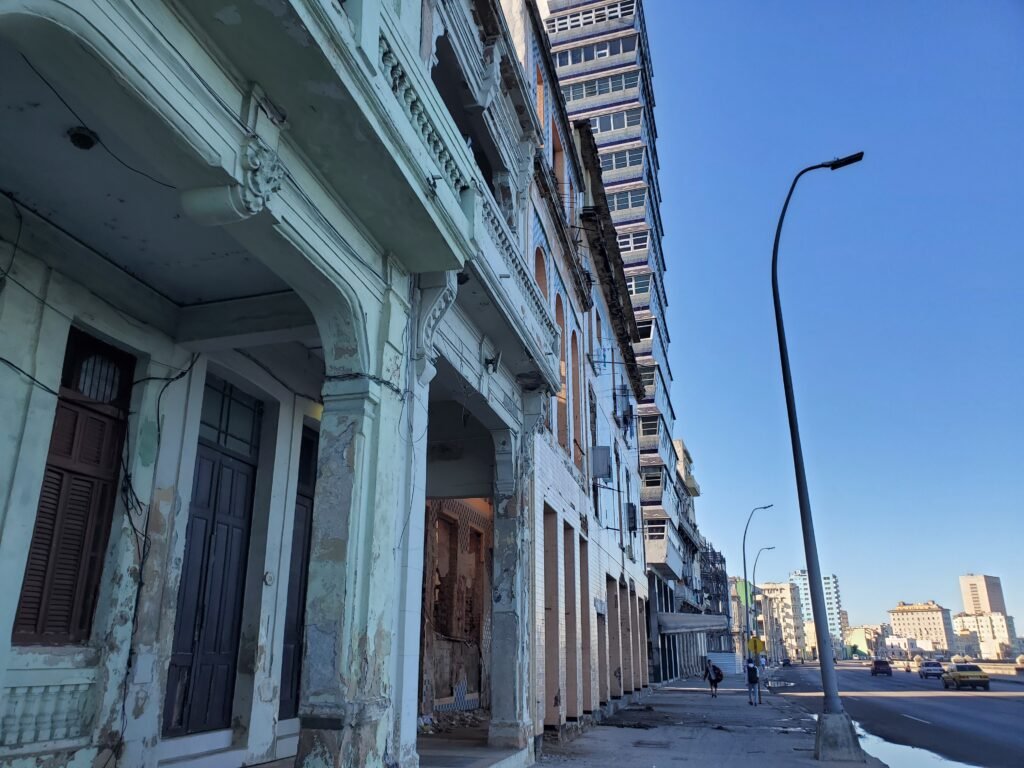
Beyond the main tourist areas, many buildings were in poor shape. Paint was often peeling, many were abandoned, and signs were frequently outdated. One of the major issues is that residents have to do the repairs themselves, and with the low monthly salary it is not worth trying. UNESCO actually declared Old Havana a World Heritage Site in 1982, with the Cuban government leading a fairly successful restoration effort in the 1990s. However, most of those repairs have not been maintained over the following decades.
After the nationalization of Cuba in 1959, homeowners could no longer sell property, but only pass it down. As such, they had to make do with small residences, even creating small lofts called “barbacoas” out of high ceilings – though their notorious heat lent to the name, meaning “barbecues.”
Miramar Is a Whole Different Side of Cuba
On the other hand, Miramar is an area of Havana which is completely different. It seemed to be a far wealthier area, with actual houses and complexes rather than simply apartments. It was also more well-landscaped with much wider roads and more trees. I even noticed here there were a lot more imported cars. This is the area where most of the resorts and embassies are, with many of the upper class and expats living here. It almost felt like visiting a different city.
Cuban Food and Drinks Surprised Me
One of the more unexpected aspects of visiting Cuba was how cheap the restaurants were. My Airbnb host, Giuseppe, was telling me on the first night about how the best restaurants are the more expensive ones. This worried me a bit, but they ended up still being quite cheap, especially since I had just been in Nassau – one of the most expensive places I’ve visited yet. Most drinks ended up being less than $4, and meals were generally $10-15, with higher-end ones being around $20. Even with a 10% surcharge at most restaurants, it was a great deal.
There are local places you can visit as well for way cheaper, but be wary. Tap water is generally not considered safe to drink in Cuba, even in Havana, so be cautious with things like ice and uncooked vegetables. Cooked food should be fine, though.
The food itself was great. I had meat such as pulled beef, fruits and vegetables like plantains, and plenty of rice and beans. I didn’t have anything too unique, but I did try white potatoes which were quite good. I even ate a great breakfast my first morning for less than $10.
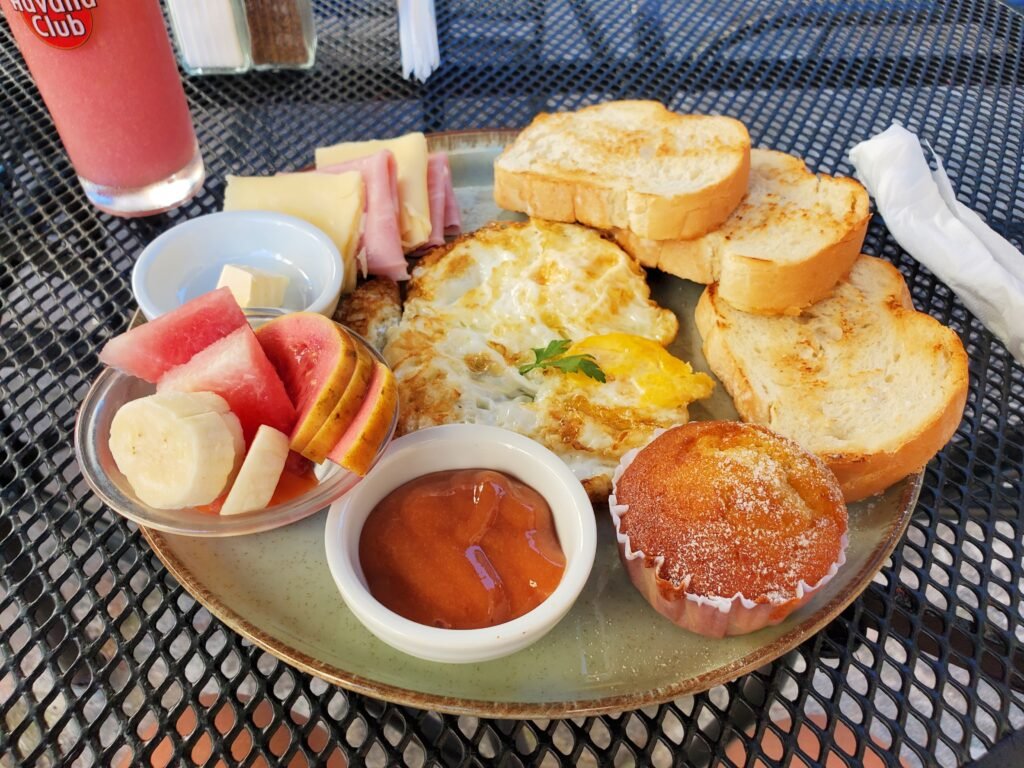
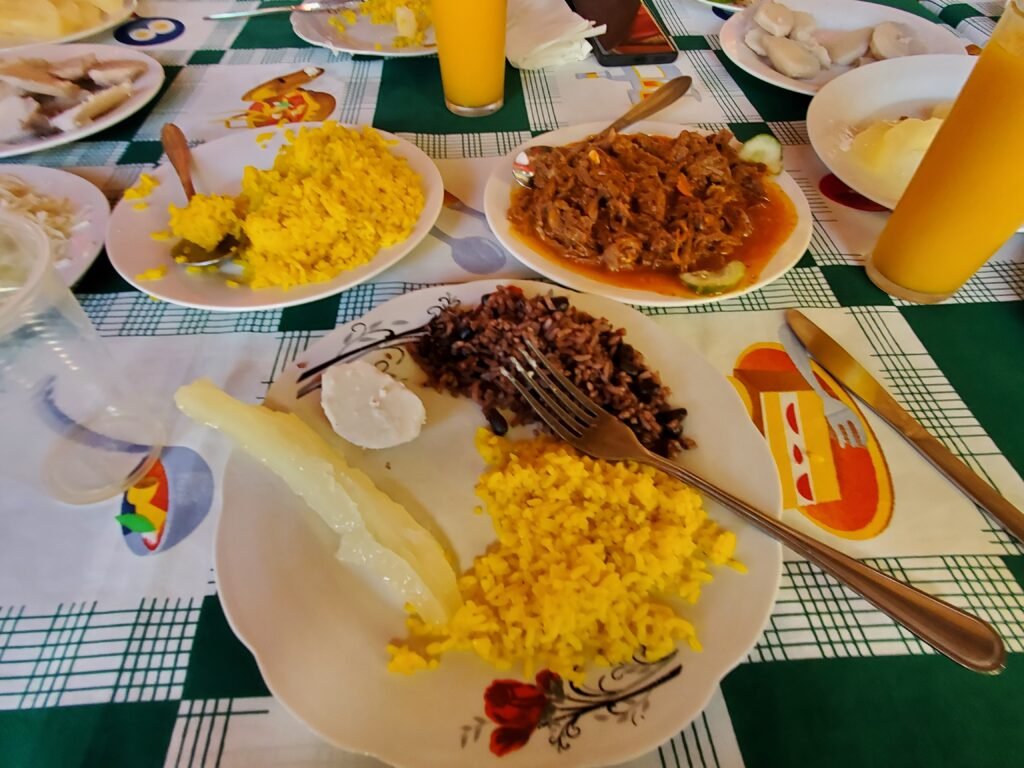
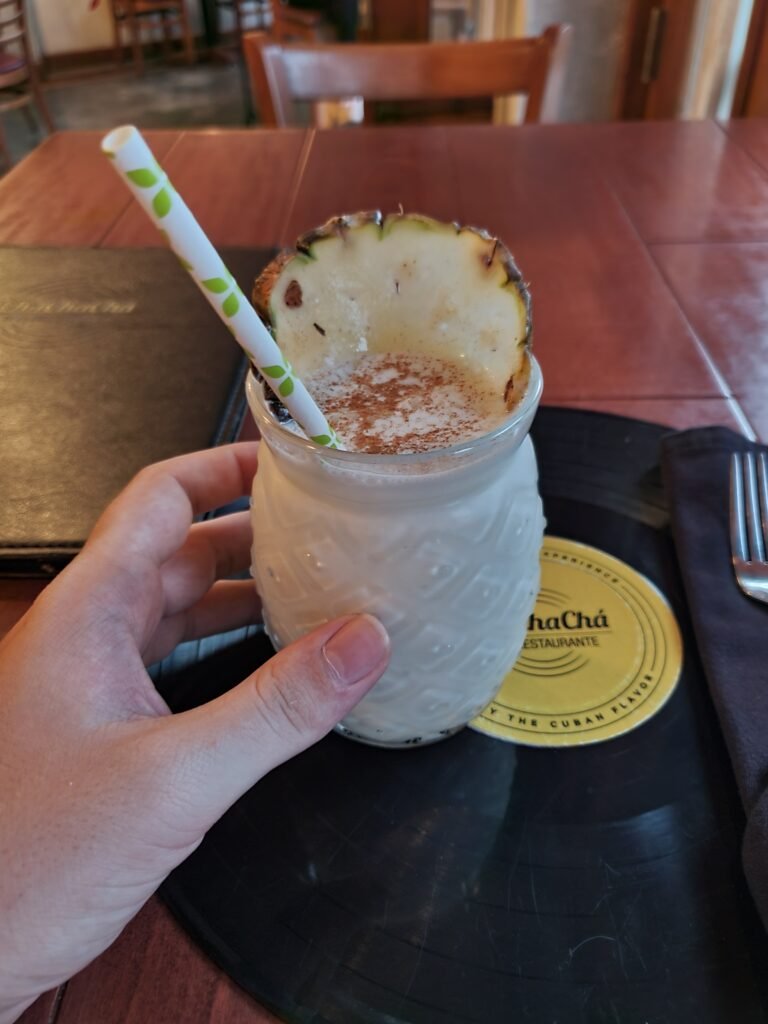
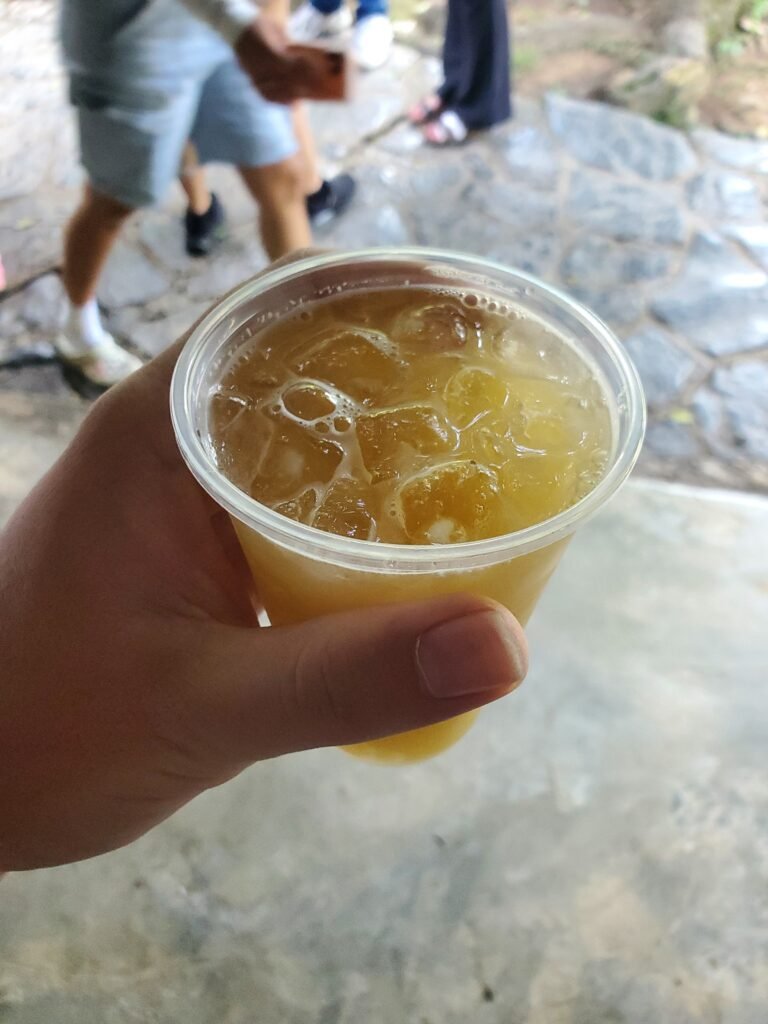
The drinks, on the other hand, were absolutely phenomenal. The fresh juice was good, but the alcoholic drinks were on another level. I don’t normally like margaritas, but I had a really good one at a restaurant opposite my casa particular. In Viñales, I had freshly pressed sugarcane juice with rum, and it was unbelievably sweet. My last night, I got a passion fruit mojito which was lightly sweet and minty. But the absolute best one ended up being one of my favorite drinks I’ve ever had – a piña colada with cinnamon. I already like piña coladas, but this Cuban style gave it an incredible flavor.
Cigars Are a Must-Try!
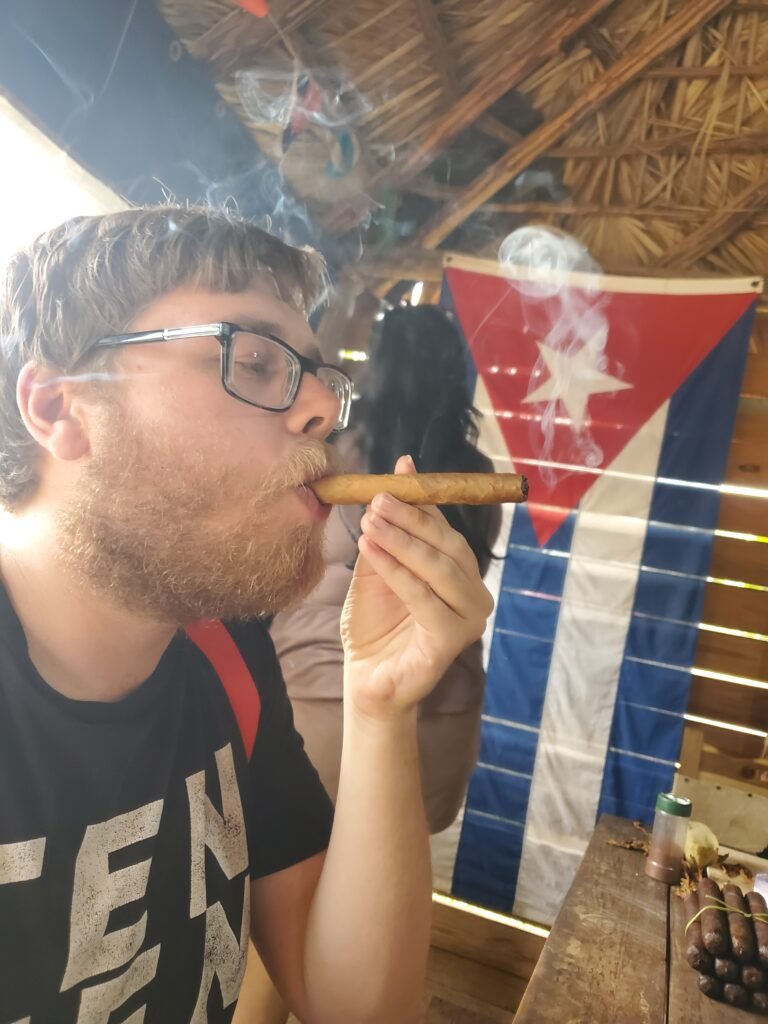
And speaking of flavor, you have to make sure to try at least one cigar while in Cuba. I never smoked anything in my life before visiting, but I knew I would at least want to have one. They’re one of the most iconic parts of Cuban culture, with tons of tobacco plantations in Viñales you can visit. We did one of these on our tour, and we got to see what the fields look like and how they dry the leaves over time. Cuba’s red, iron-rich soil is especially well suited for growing high-quality tobacco.
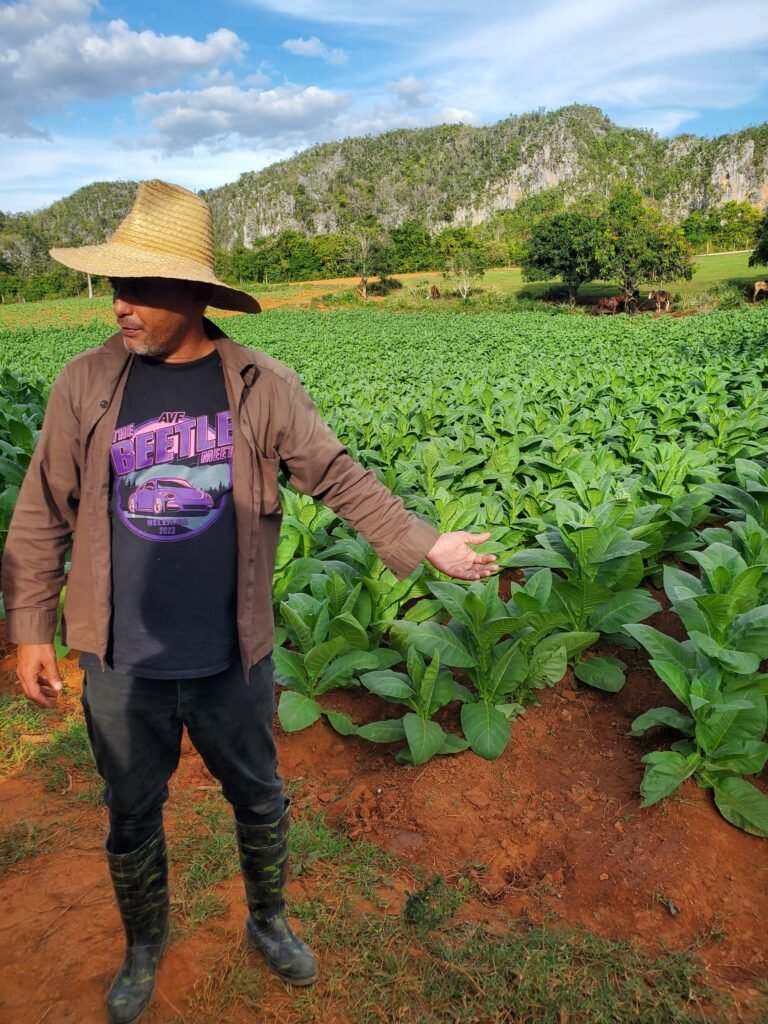
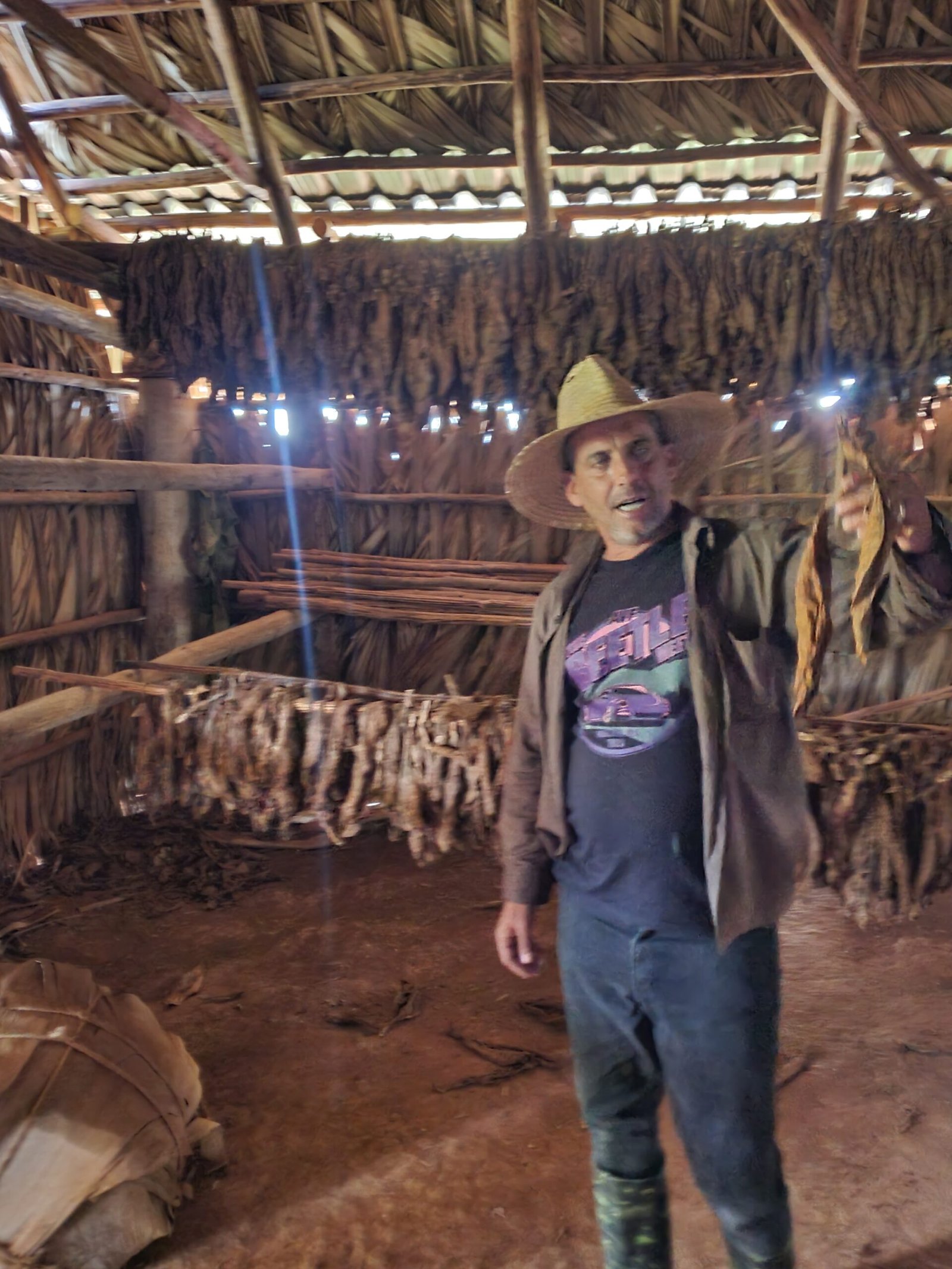
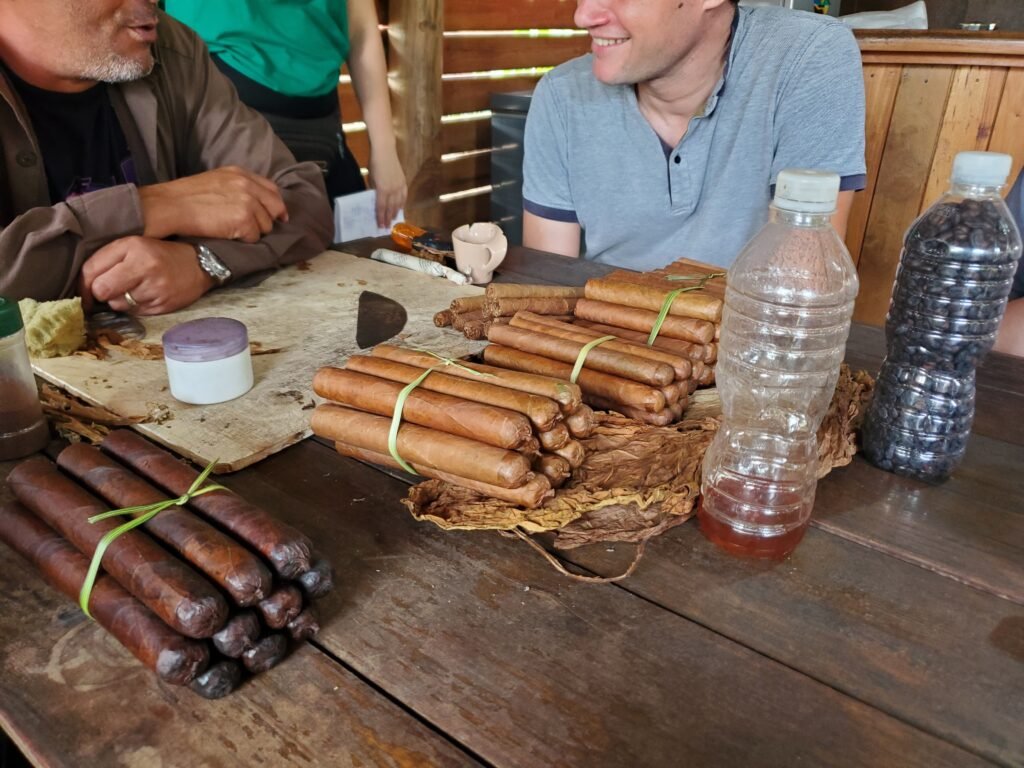
Depending on the desired quality, the leaves are dried anywhere from a few months to as long as five years. While I did not buy any myself, the guide showed us how they roll cigars, as well as getting to each try one! It was a unique experience because you don’t actually inhale the smoke. Instead, you puff it and exhale it while letting the flavor linger in your mouth, which was almost like an earthy herbal taste. You also dip it in honey before smoking it, so that added to the flavor. It surprised me how much I liked it!
José Martí Is Everywhere
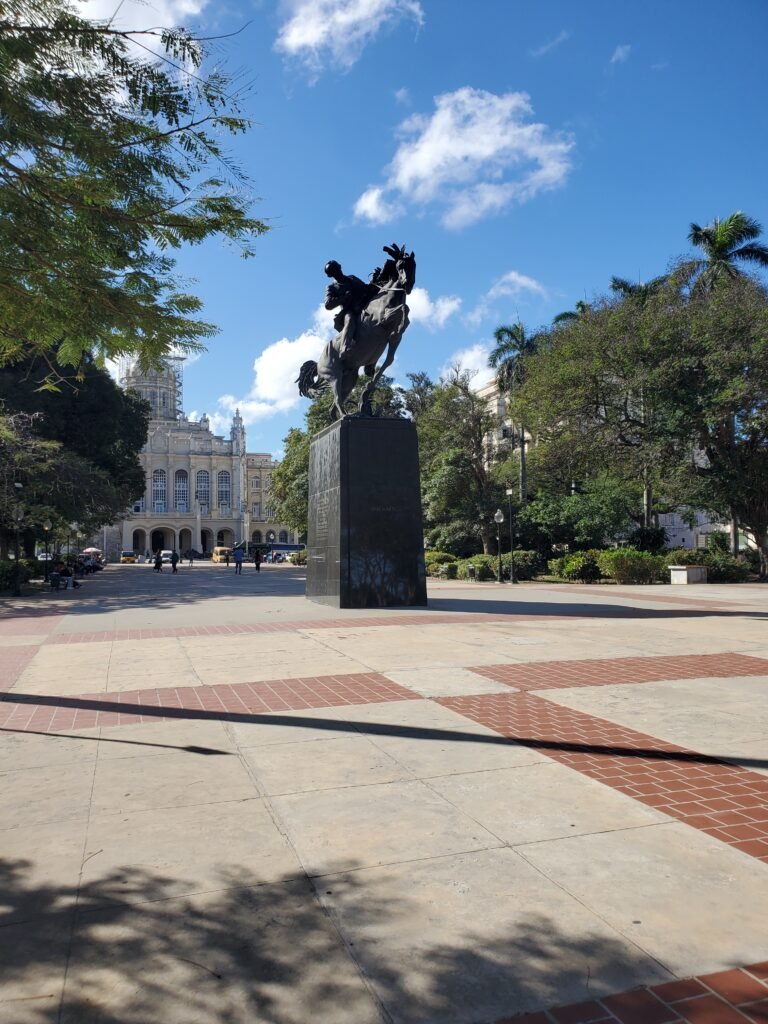
If you go basically anywhere in Cuba, there’s a name you’ll see on streets, buildings, plazas, and even the international airport: José Martí. He is the national hero for Cubans, having been the revolutionary who unified Cuba against Spain in their War of Independence in the late 1800s. He actually spent much of his life in exile in the United States, returning and dying in the war. This follows the trope of many Latin countries: having a popular national figure whose name is common to see around the nation. My tour guide Zu was the one who pointed out one of his statues in Old Havana, and I definitely noticed it a lot more afterwards!
Cuba Is More Connected Than I Expected
A very surprising aspect of Cuba to me was how connected to the outside world they were. It wasn’t nearly as isolated from global culture as I expected, and there were definitely western flairs especially among the younger people. One of the first things I learned was that many Cubans own smartphones, which I did not think would be the case – there is a government-owned cell provider which gives service to most of the nation, though it is often inconsistent. A lot of the people I met used Whatsapp, but plenty also had Instagram, Facebook, or other social media apps.
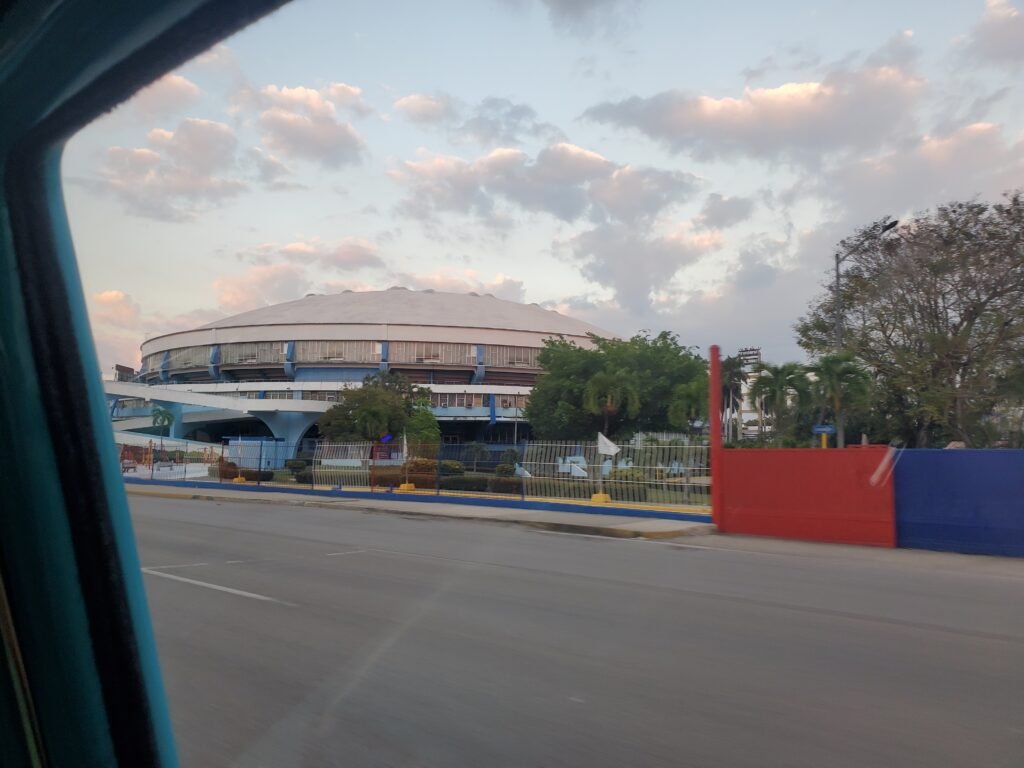
Music was another thing that astounded me. I did not just hear Latin and Cuban music, but also a lot in English – even artists from the United States. In fact, one of the first things I saw on my way to my Airbnb was a stadium in which the Rolling Stones performed a free show for over 500,000 people in 2016. Clearly Cuba isn’t as much in a bubble as I thought it was!
The Population Is Very Diverse
Cuba’s population is also extremely diverse. It can often be hard to tell who is Cuban and who is a tourist. There are people of European, African, and mixed ancestry, with many Cubans identifying as multiracial. Walking around Havana, I met people with an incredible variety of appearances and backgrounds. It did make me wonder when people approached me speaking Spanish. Did they assume I was Cuban? Or did they simply figure I spoke Spanish? I never really found out, but it was something I noticed throughout my trip.
Street Vendors Are Everywhere
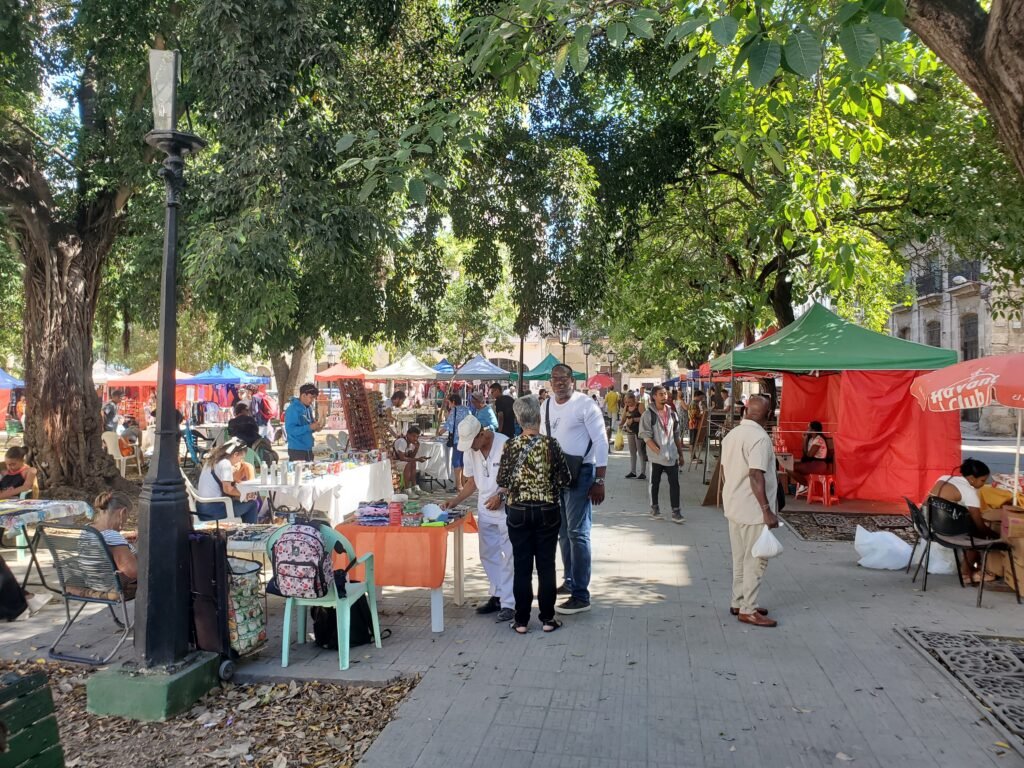
One of the most common things to see was vendors. Along the highways, Cubans often set up roadside stands selling fruit and vegetables, and you would also see these around Havana, especially near the plazas. There were also other small shops residents would set up from the entrances to their houses along the sidewalk, which could include anything from snacks and bottled water to hygiene essentials.
There were even a few days a month where whole plazas were filled with small shops, and locals toured them for good deals on fresh food, clothing, and items for school such as backpacks. Zu was curious when we were touring Old Havana and took a look at some of the items – she was a bit apologetic but I found it very interesting.
Roadside Fires Are Very Common
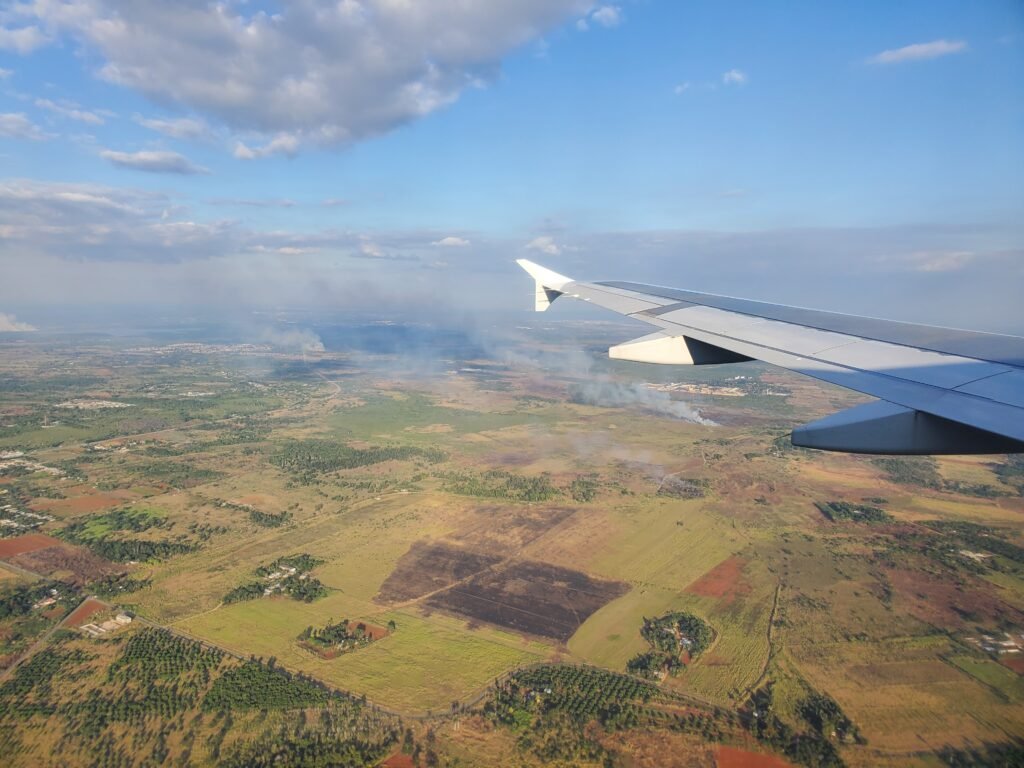
My very first impression of Cuba as I was flying in was the plumes of smoke along the countryside. There were fires all over and it was certainly one of my most visceral reactions to entering a new country by plane. It immediately gave me the feeling that this trip was going to be unlike any I’d taken before.
I later learned there are several causes. My taxi driver told me that discarded cigarettes from passing cars are one common reason, while agricultural burning can also contribute during certain times of year. Combined with dry vegetation and limited firefighting resources, some of these fires can spread quite easily.
People Are Unhappy With the Government
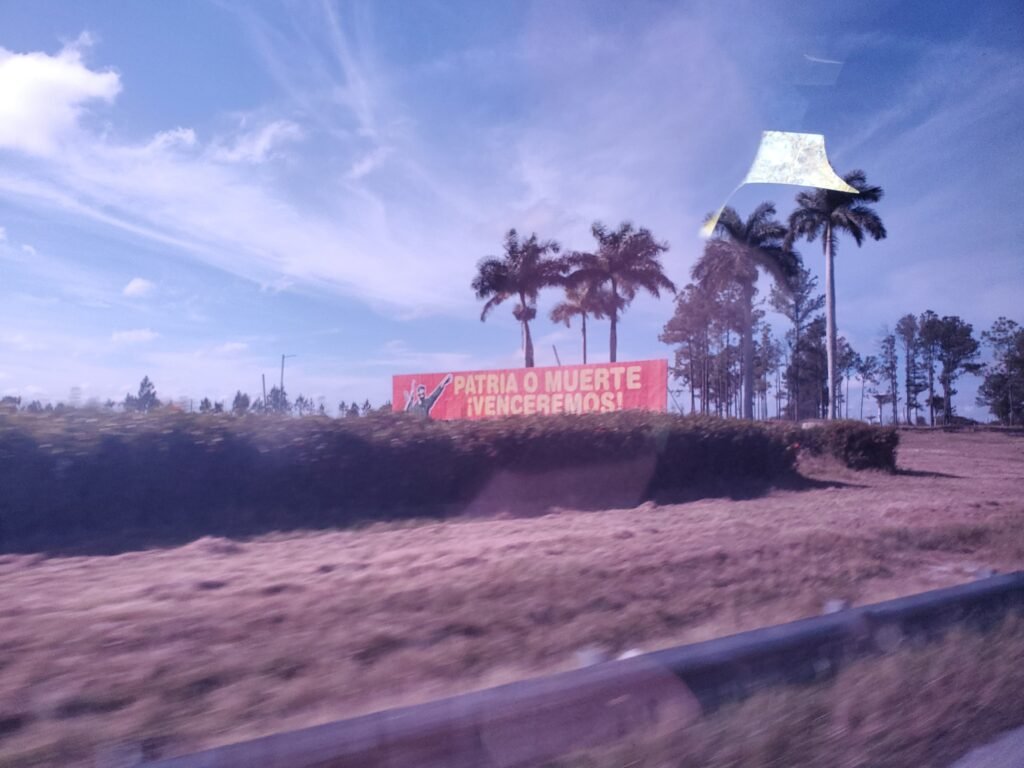
As much as I’d love to say everyone I met was happy with the government, that certainly wasn’t the impression I came away with. Graffiti reading “2+2=5” is a very common sight in Havana, a reference to the novel 1984 and calling out the distortion of what the government says versus what daily life is really like. As mentioned previously, Zu was just happy to wake up on our tour day with power and water, something Americans often take for granted.
The causes of Cuba’s economic struggles are heavily debated. The role of the U.S. embargo is heavily debated, but several locals I spoke with felt Cuba’s internal policies were the larger issue. One of the major issues Cuba has faced is overreliance on specific world powers. This was true of the US in the first half of the 20th century and the USSR in the latter half (hence the amount of American and Soviet cars).
Several locals also expressed frustration that government buildings appeared to maintain reliable electricity while residential neighborhoods endured rolling blackouts. One interesting thing I learned was that the U.S. ambassador frequently walks around Havana speaking with ordinary Cubans. According to locals I talked to, that has made him surprisingly well known.
The Nature in Cuba Is Shockingly Beautiful
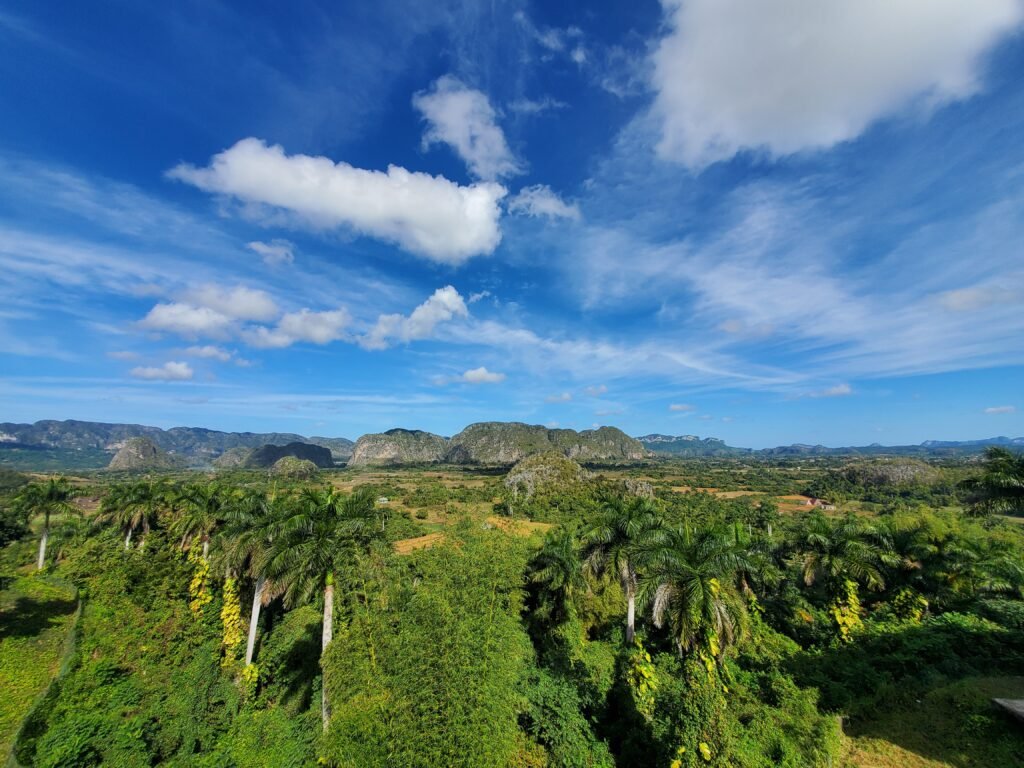
The final aspect of Cuba which really blew me out of the water is its nature. I was feeling a bit bummed from all of the begging the previous day, but my day in Viñales made me feel much better. First of all, the valley itself is absolutely incredible. We went to an overlook which gave us a wide view of amazing rock formations and gorgeous green landscapes.
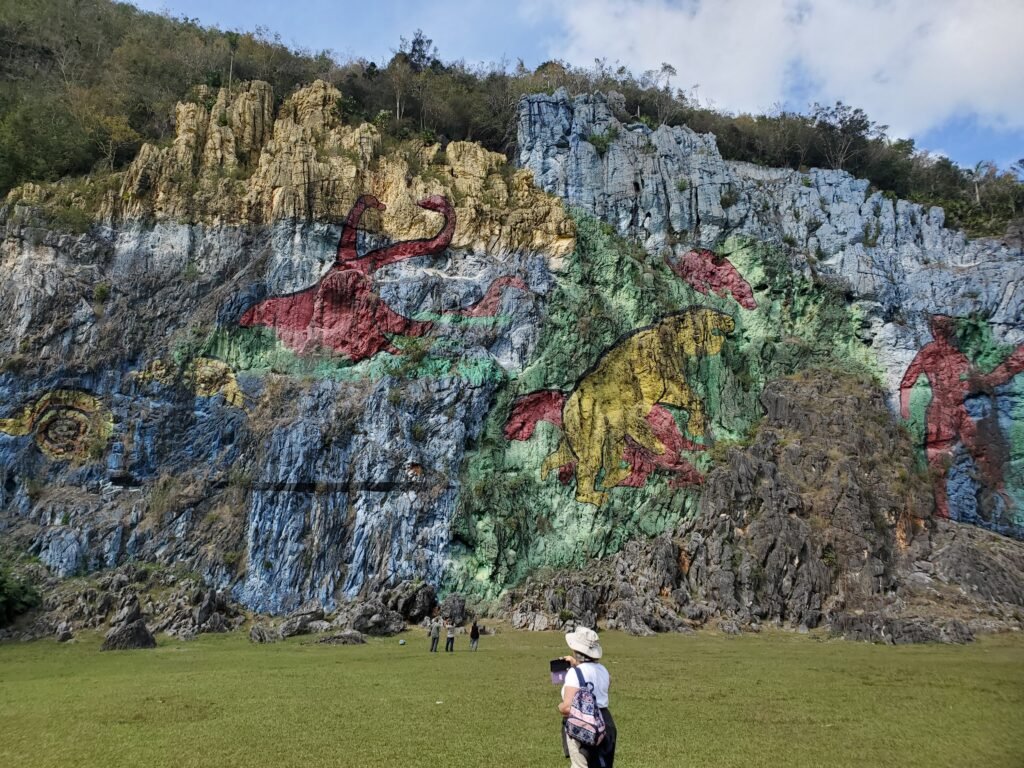
From there we went to a more nestled valley and saw the Prehistoric Mural, a massive piece of artwork on a cliff face depicting the history of life in Cuba, from ancient marine life through early humans. It is one of the largest murals in the world, being over 250 feet tall and 300 feet wide. Not only was it absolutely gorgeous, but the surrounding area was truly a sight to behold. It was probably one of my favorite nature spots I’ve ever visited.
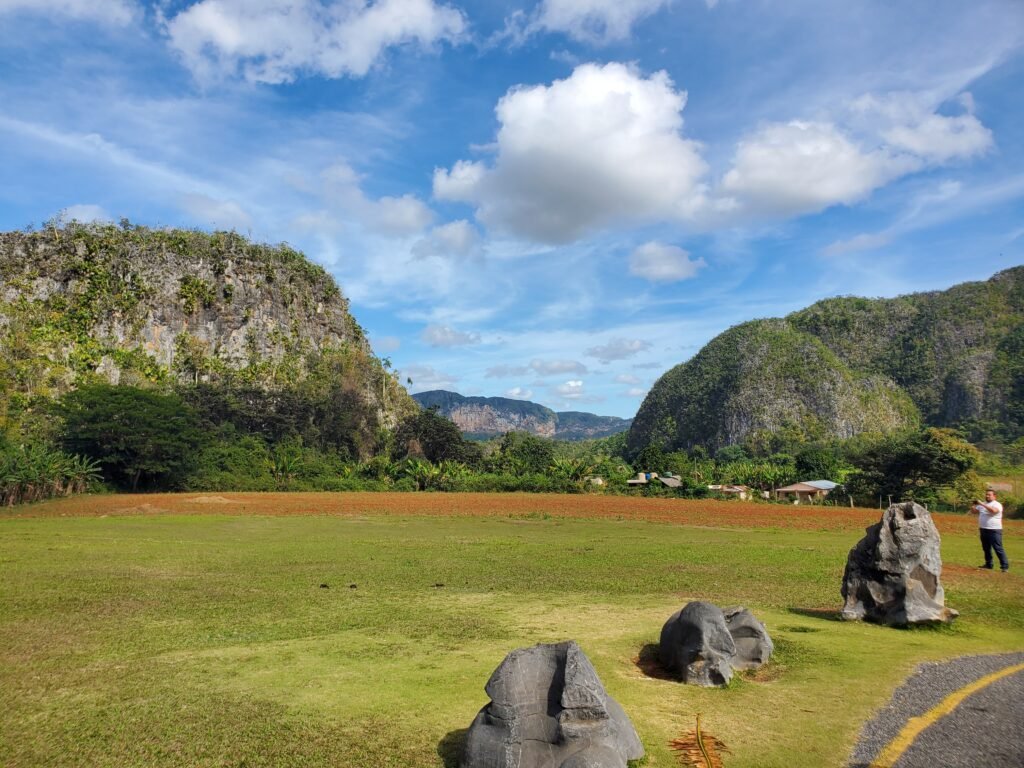
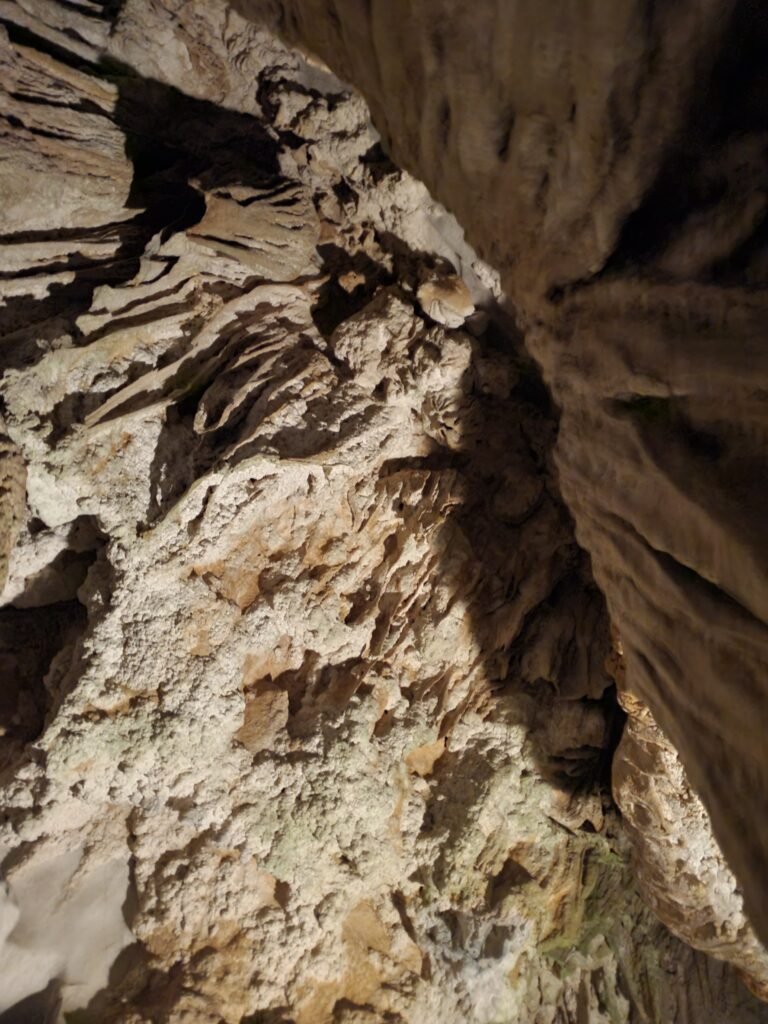
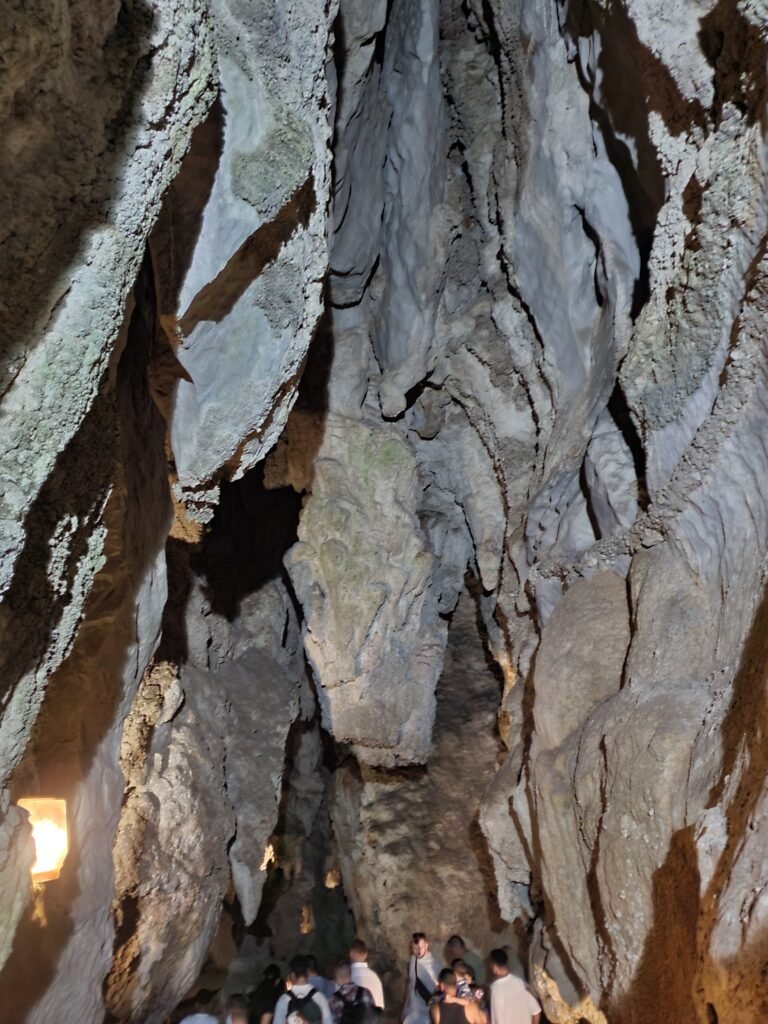
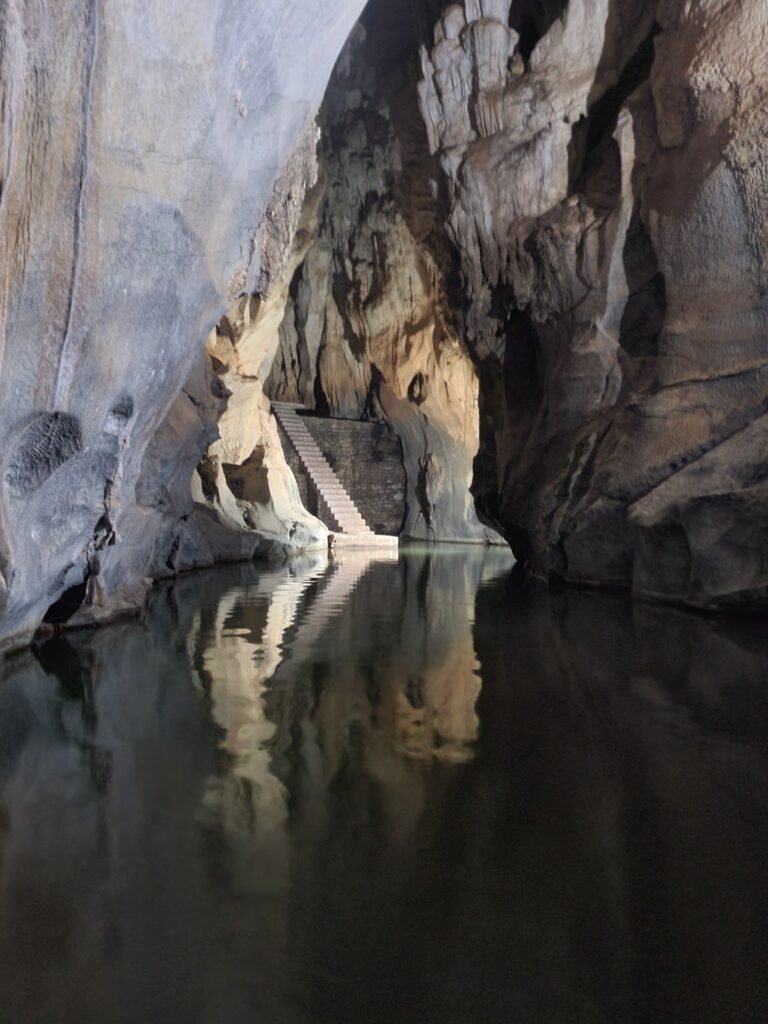
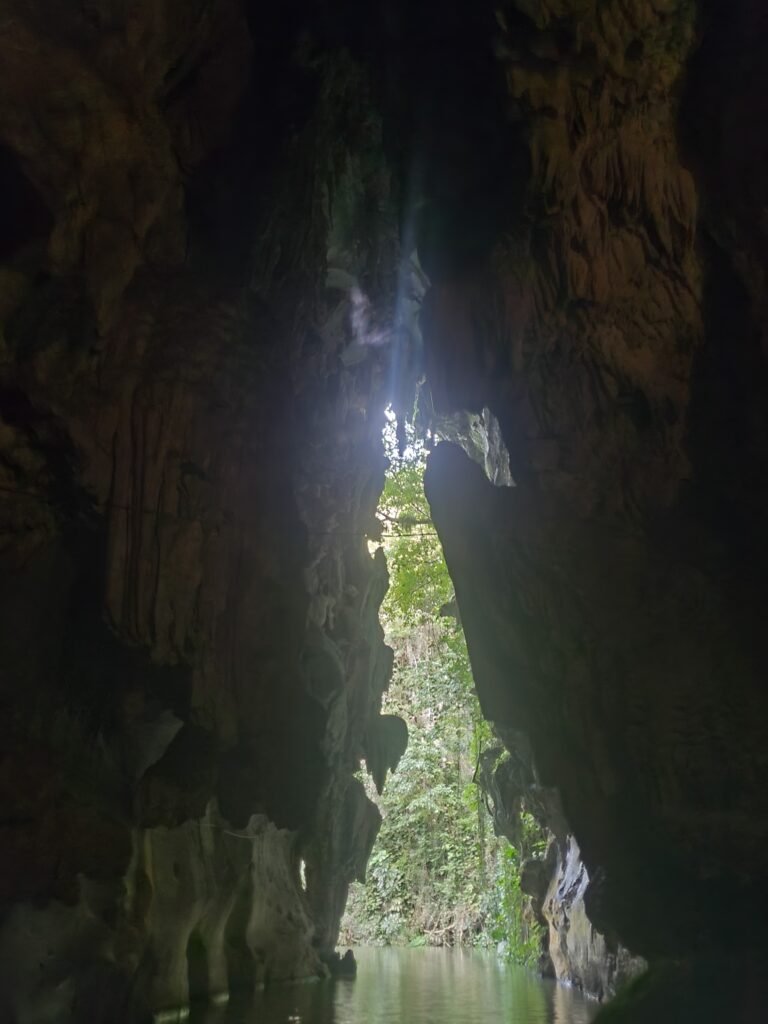
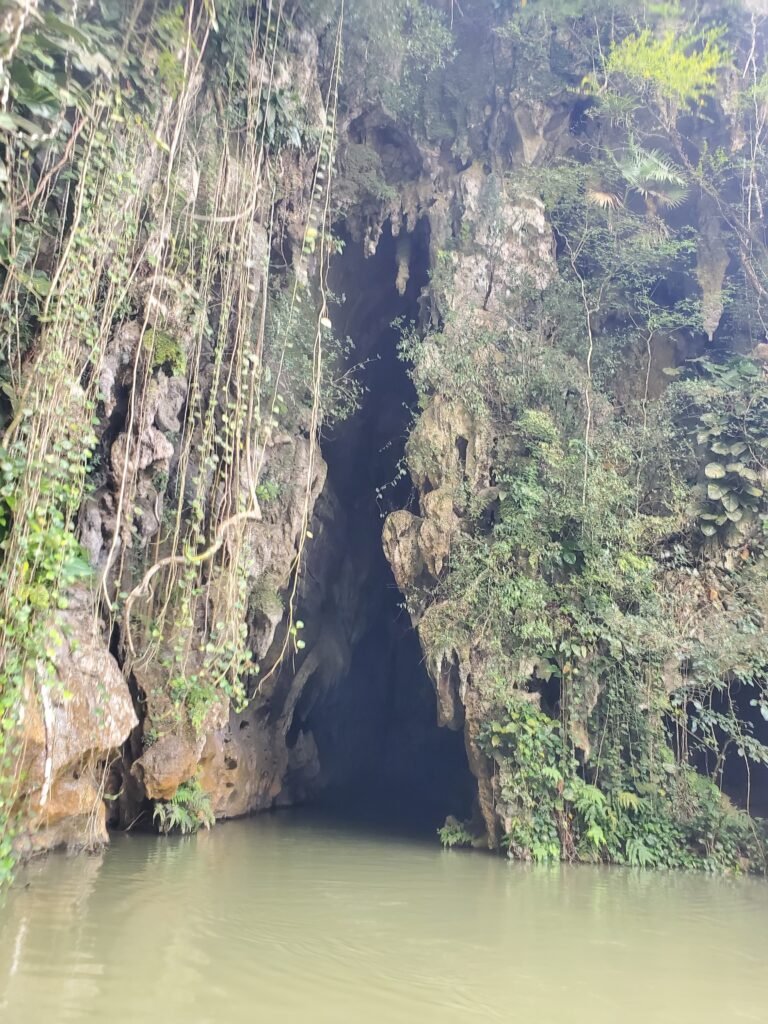
From there we went to the Indian Cave, named after the tribes which used them as shelter and for religious ceremonies. We were able to walk through and see incredible formations like stalagmites which formed over thousands of years, as well as taking a boat ride through an underground river there and emerging out of the cave! It did take quite a while longer than it normally would have as 2 of the boats were out of commission (one of the quirks of visiting Cuba), but it was still awesome to see. This was actually the only spot where I experienced a blackout in Cuba, and it was actually pretty cool since it was like we were really spelunking.
Overall, Cuba challenged many of my expectations. It was a country of resilience, one that has been struggling for decades but has unexpected beauty. It isn’t always an easy place to visit, but it is certainly one of the most fascinating and absolutely one I would recommend. If you go with an open mind, listen to people’s stories, learn about the country’s history, enjoy the food and drinks, and definitely make time for Viñales, I think you’ll find the experience worth doing. It was certainly one of the most memorable places I’ve ever traveled to.