

April 17, 2025
The original reason for my trip to Asia this past spring was going to Star Wars Celebration Japan, though of course it vastly expanded from that point. While it was not yet the first day of the convention, Carlos and I still needed to get our badges, as it would save us a great deal of time if we got them in advance versus the day of.
We were still not adjusted to the time change, so we got up about 5 am, leaving our hotel in Edogawa around 6:45 to head to Chiba, where the convention center was. As we had suspected from dealing with rush hour traffic the previous morning, hardly anybody was heading that way, though admittedly it was still early.
We rode the train to Makuharihongo Station in Chiba. Here, we would have our first bus experience in Japan. It was pretty simple – we just had to tap our IC cards when boarding and exiting.
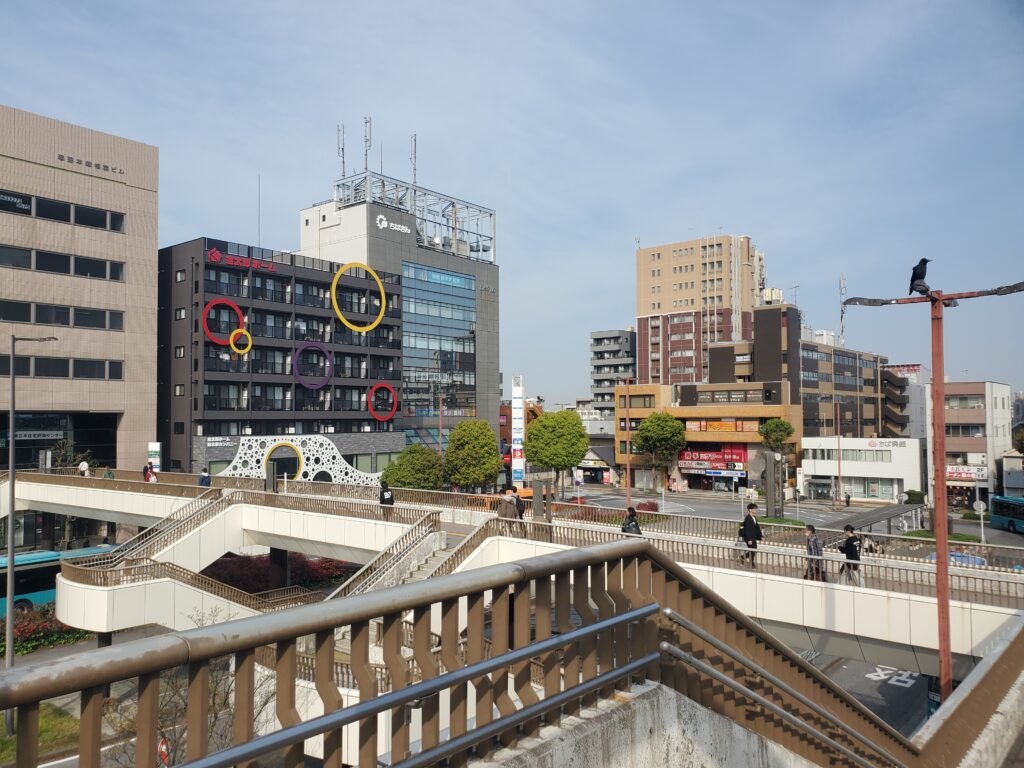
After getting off the bus near an intersection, we walked the rest of the way to Makuhari Messe, the convention center – about 10 minutes away.
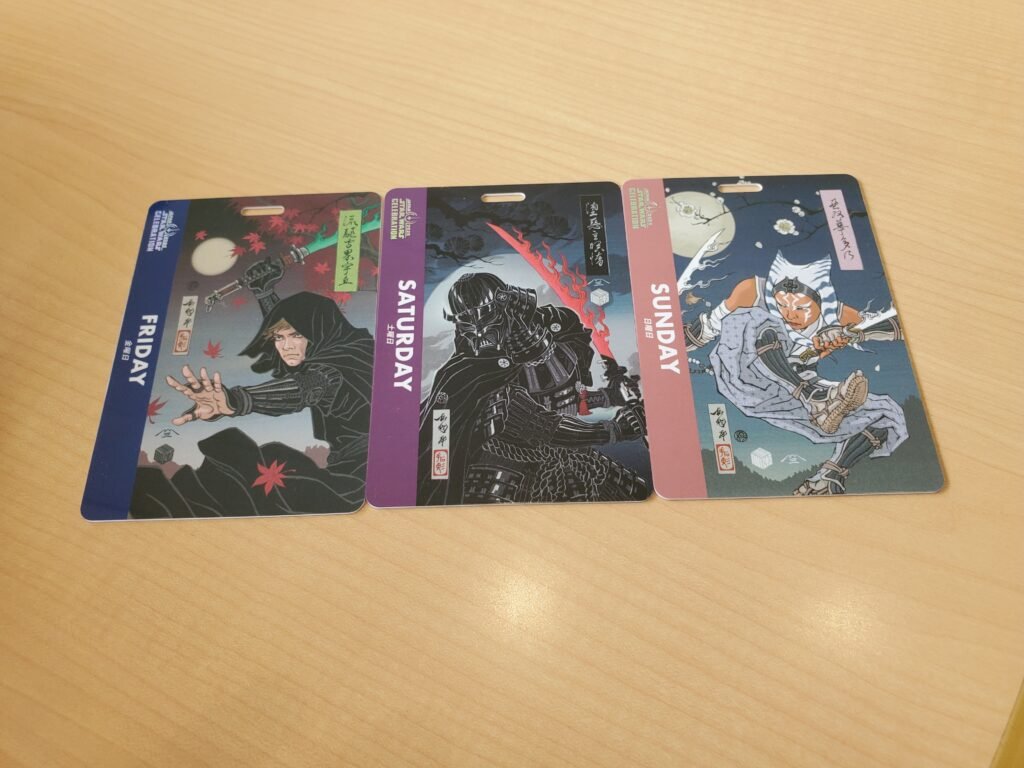
We picked up our badges at the International Hall. It didn’t take long, and the badge designs were incredibly cool – each day had its own unique Japan-inspired artwork of Star Wars characters. We had chosen to get individual day passes instead of a 3-day badge, which ended up being the better decision since we got to collect more designs: Luke Skywalker for Friday, Darth Vader for Saturday, and Ahsoka Tano for Sunday.
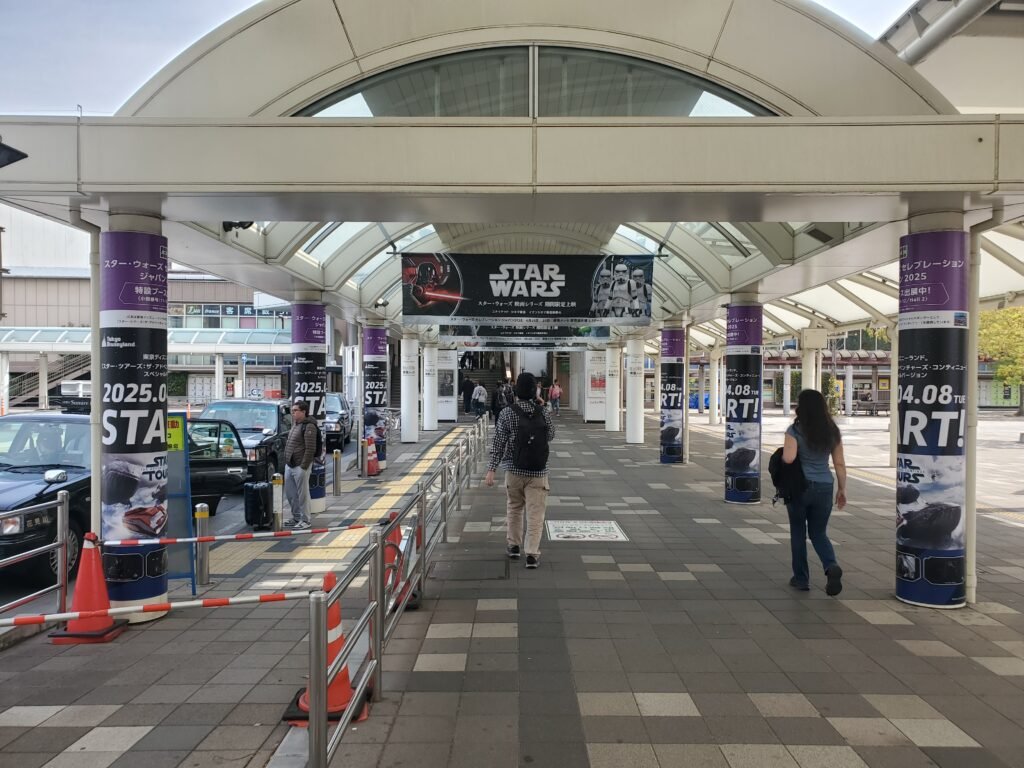
The convention center is surrounded by modern office buildings and landscaped public areas, which made for a really nice walk. It was also exciting to see the event fully set up – Star Wars banners on lampposts, huge signs pointing toward the venue, and themed displays throughout the area. We left just after 9:00 a.m. and walked to Kaihimmakuhari Station to start our journey to Odaiba, a man-made island in Tokyo Bay.
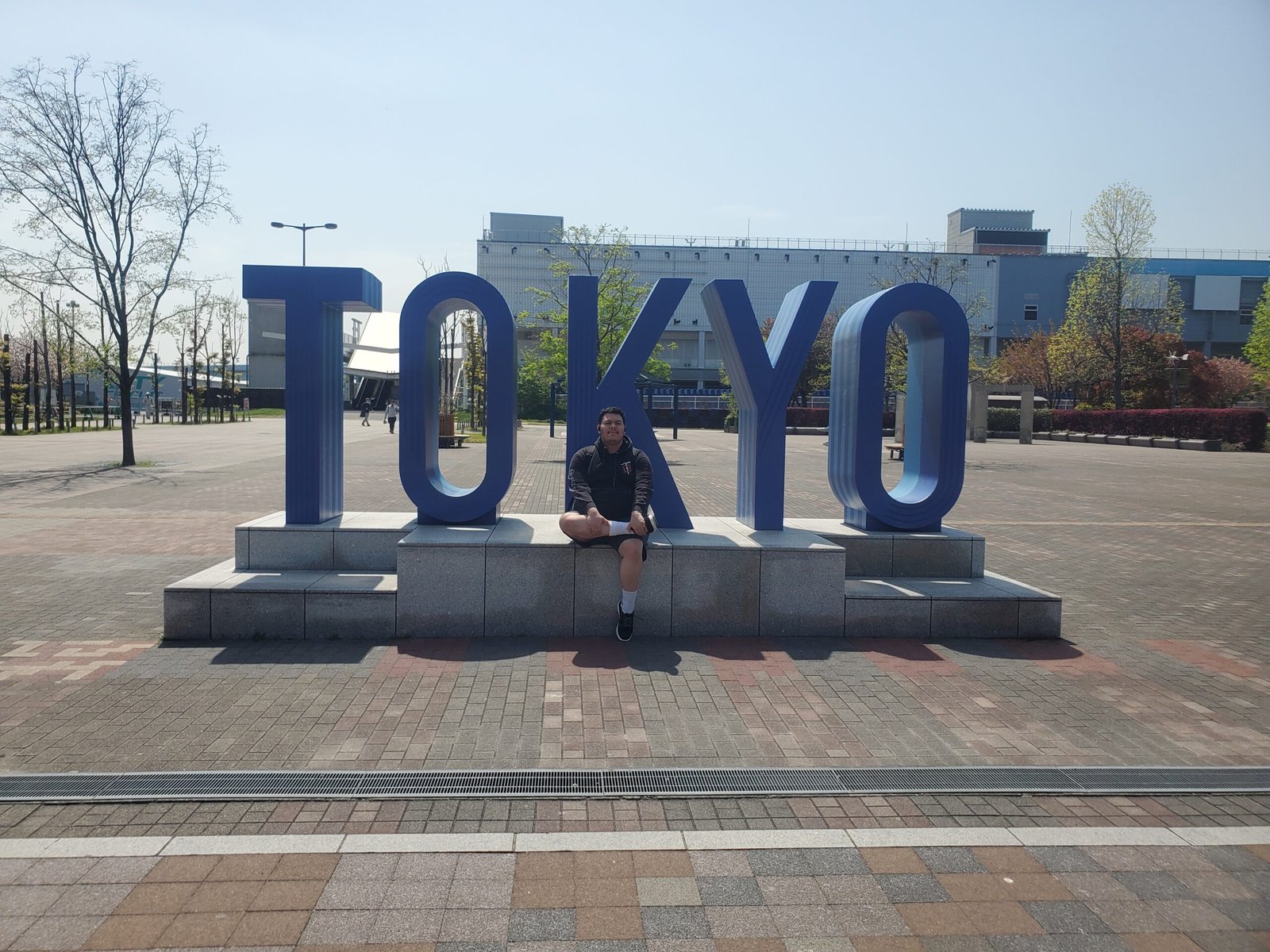
Along the way, we saw Tokyo Disneyland through the window, as well as a fantastic view of the Skytree in the distance. We got off at Tokyo Teleport Station once we made it to Odaiba, getting some pictures in front of the large TOKYO sign in the plaza.
To our surprise, it was almost empty – we saw hardly any tourists for the first portion of our walk. We had expected bigger crowds, but the quiet atmosphere gave us more time and space to explore. The landscaping was beautiful, with wide walkways, plenty of trees, and green spaces throughout the Central Promenade. There was even a peaceful little garden area with flowers tucked between dirt paths.
We were heading towards one of the highlights of Odaiba, the Unicorn Gundam. This statue stands at about 64 feet tall, and even shifts between two different modes occasionally, though we did not see this happen. There were a decent amount of tourists here, which made sense given how iconic it is, but it was still not as crowded as I thought it would be.
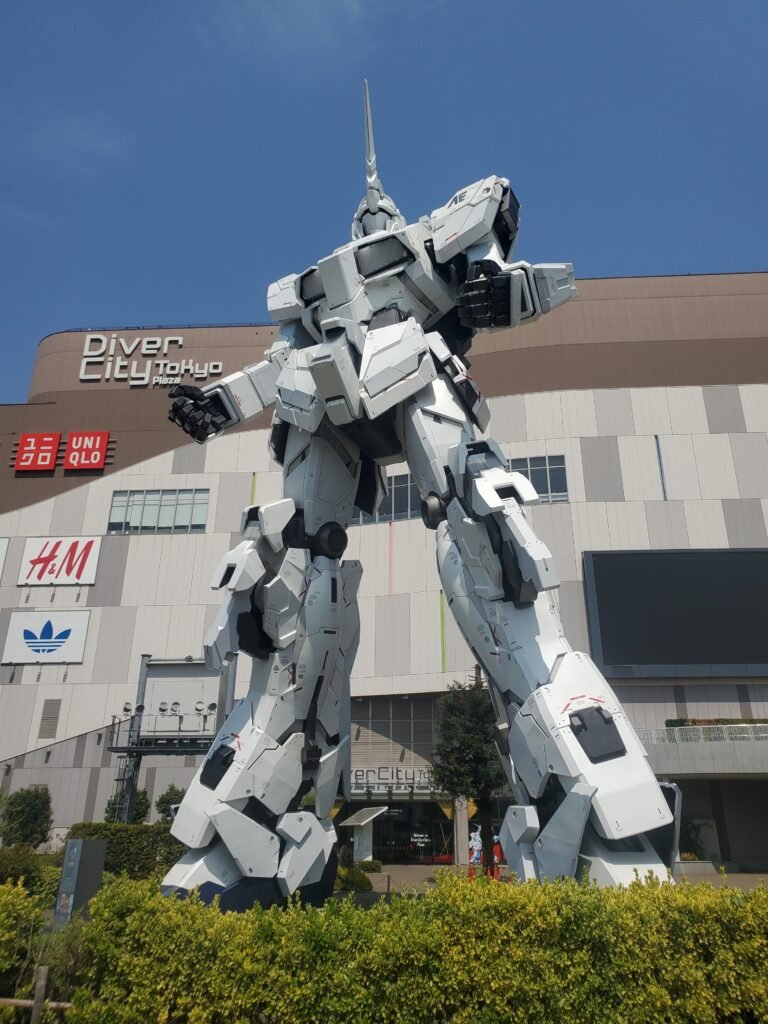
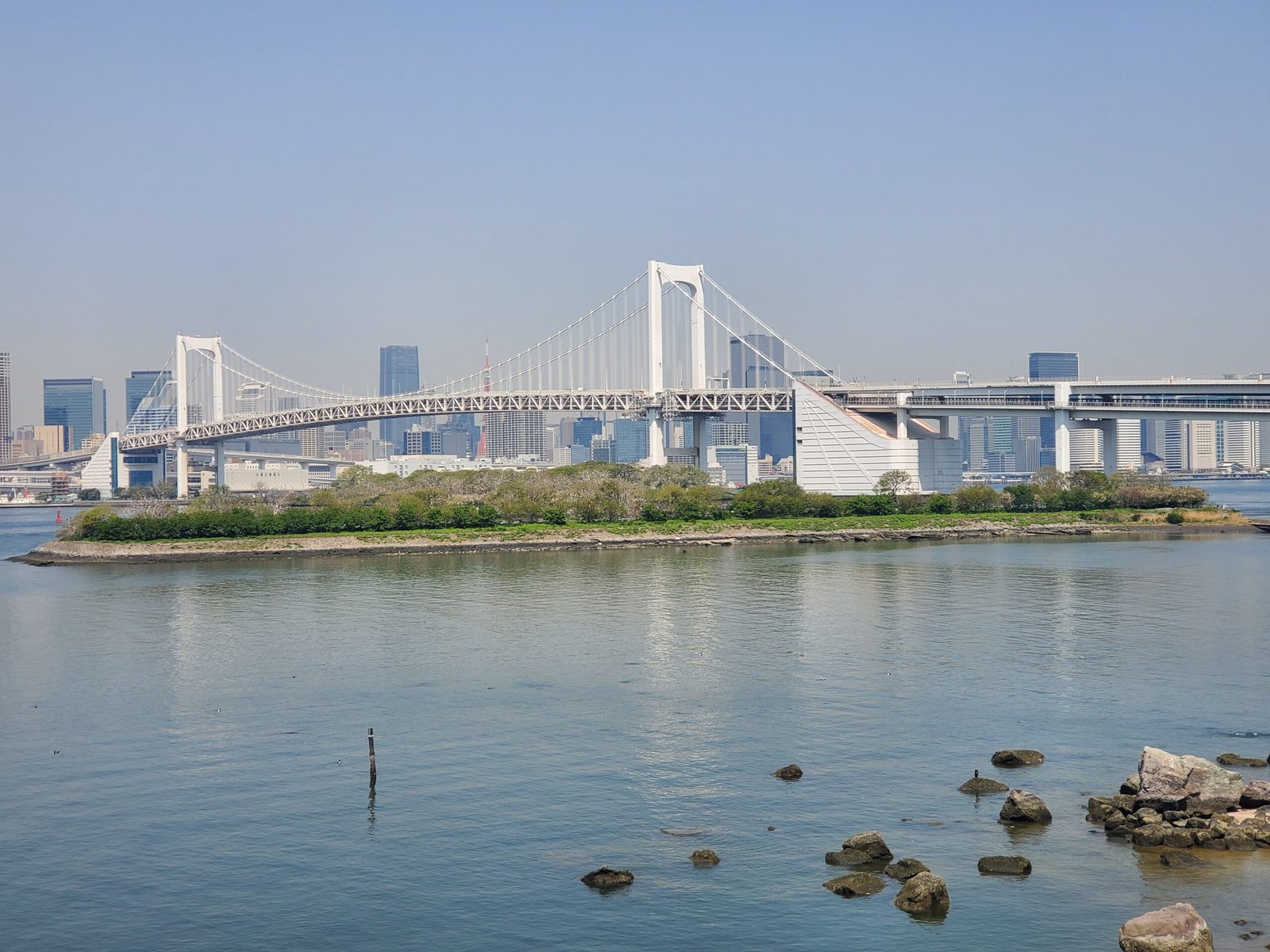
By this time, it was only around 10:30, so the mall behind the statue (DiverCity Tokyo Plaza) hadn’t quite opened. As such, we chilled on the steps leading up to the entrance, just relaxing and enjoying the vibe. Eventually, we crossed the pedestrian bridge to the West Promenade. From there, we had stunning views across Tokyo Bay. We could clearly see the Rainbow Bridge, Tokyo Tower, and the surrounding port and city skyline.
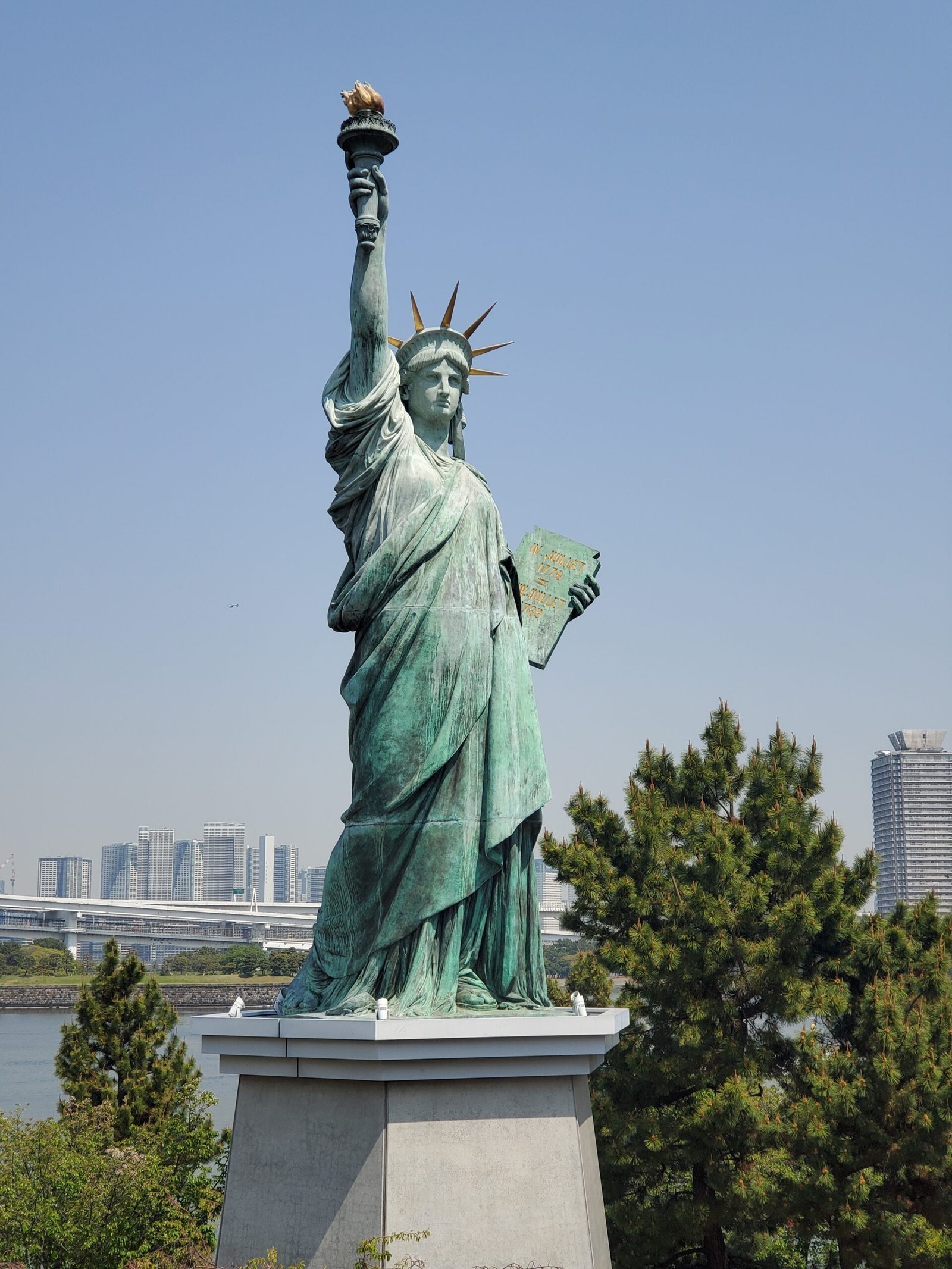
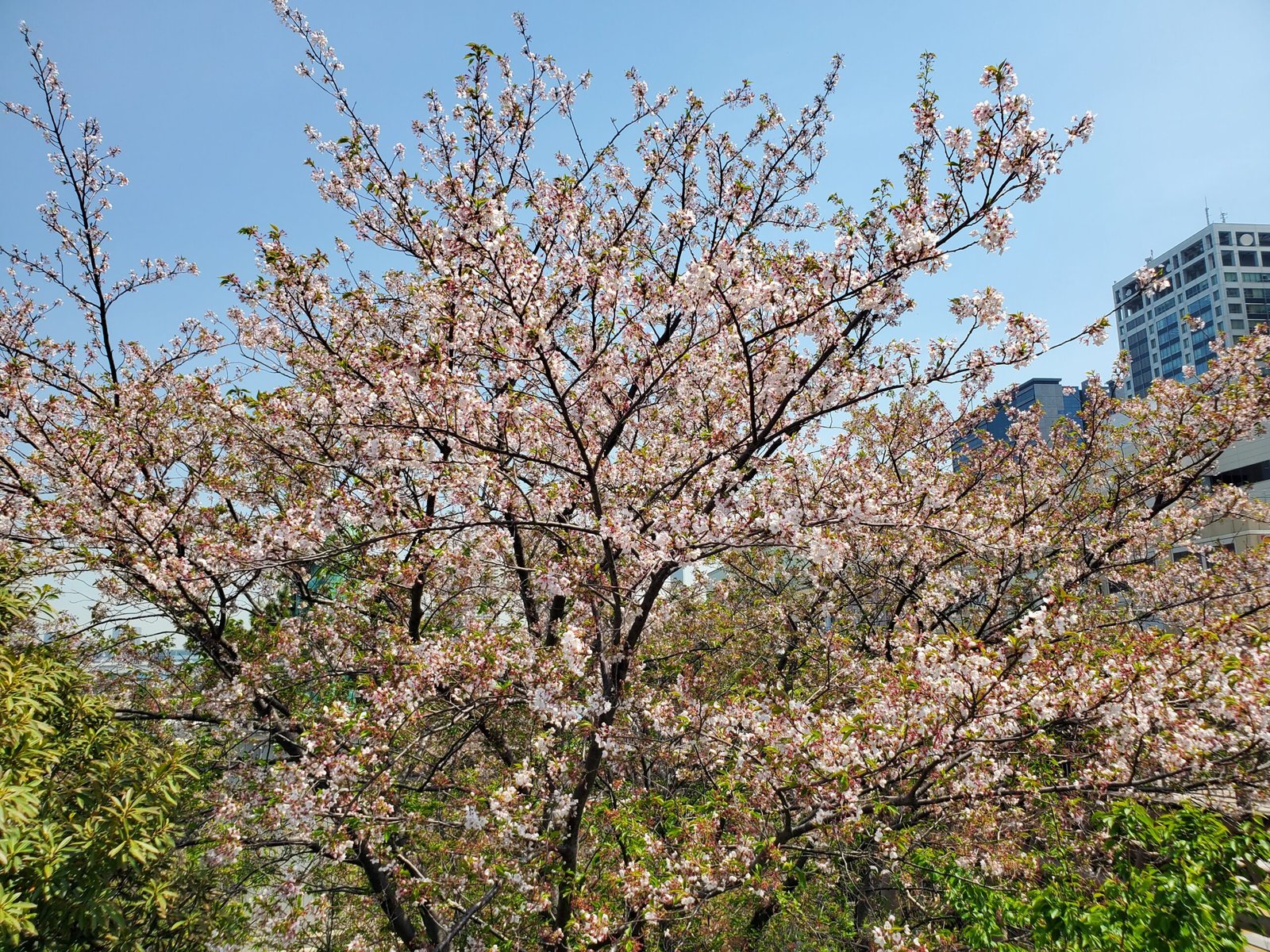
Additionally, there is a miniature Statue of Liberty here, which was right in front of a large cherry blossom tree. This is actually a replica gifted by France, but regardless it was very funny to see!
While we were there, I saw a Chinese tour group posing for a photo with a large printed banner. I also noticed a group of high school boys nearby who were clearly not local. One of their teachers, a woman, ended up chatting with me briefly and confirmed that they were on a school trip from New Zealand. It was a cool moment to see people from so many different parts of the world enjoying the same spot.
Sitting together on a bench, Carlos and I decided to start keeping track of all the languages we heard during the trip. It quickly became a fun side project. Some we picked up in passing, others during conversations, and a few while people-watching in places like this. Here’s the list we ended up compiling:
Main Languages:
Japanese, English, Italian, French, German, Mandarin Chinese, Korean, Spanish, Punjabi, Vietnamese, Portuguese, Farsi (Persian), Hebrew, Malay, Romanian, Tagalog, Latvian, Yoruba
English Dialects:
UK English, Australian English, Canadian English, New Zealand English
Spanish Dialects:
Castilian (Spain), Mexican, Chilean
Around 11:00, we headed into Aqua City Odaiba, the nearby shopping mall, to cool off and explore. We wandered through the mall for a bit, just browsing and seeing what kinds of stores were around. To our surprise, we came across a Taco Bell, which we had originally planned to visit in Shibuya later based on a recommendation from a friend. But seeing it here, we decided to take the opportunity -and we’re really glad we did. The menu was definitely different from the typical U.S. one. Alongside familiar items like burritos and tacos, there were some unique touches, like a side of fried chicken (which turned out to be fantastic) and well-seasoned fries. The burritos had fresh veggies and rice, and were balanced and well-prepared. Overall, everything tasted a bit fresher and more flavorful than we expected.
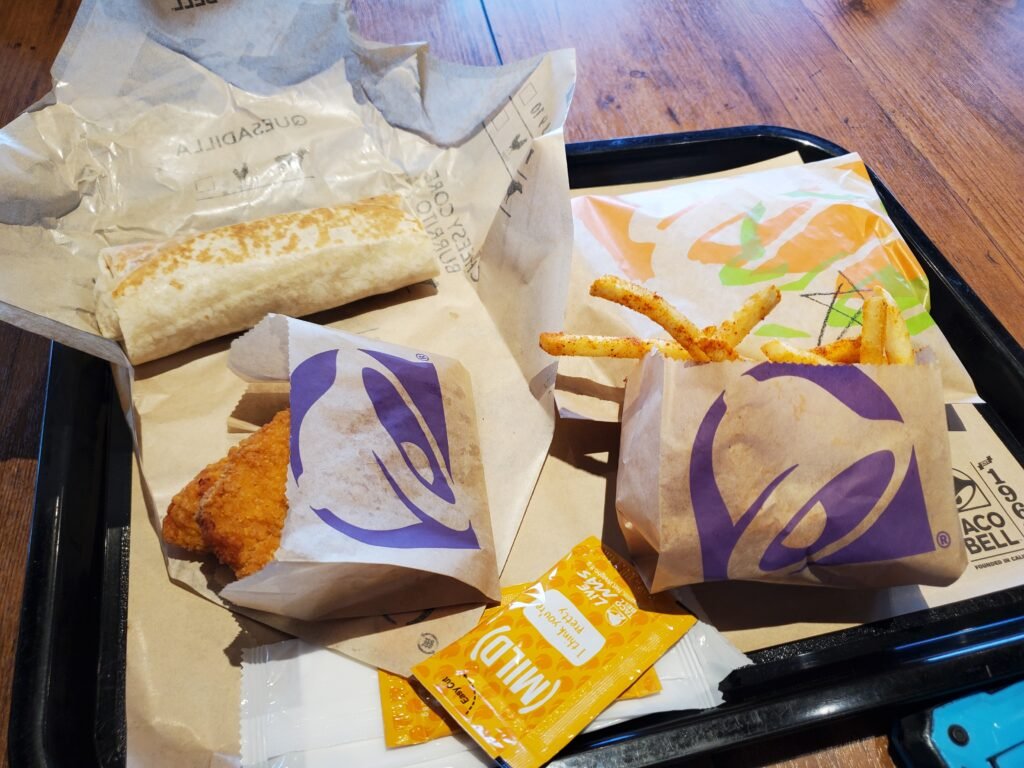
After we finished eating, Carlos decided to chill at the Taco Bell, which had a nice view of Tokyo Bay and the skyline from the seating area inside. Meanwhile, I did some solo browsing in the mall. I picked up a few gifts for friends and family and an umbrella for myself – this would be very useful in the more humid and wet countries I’d be visiting on the trip.
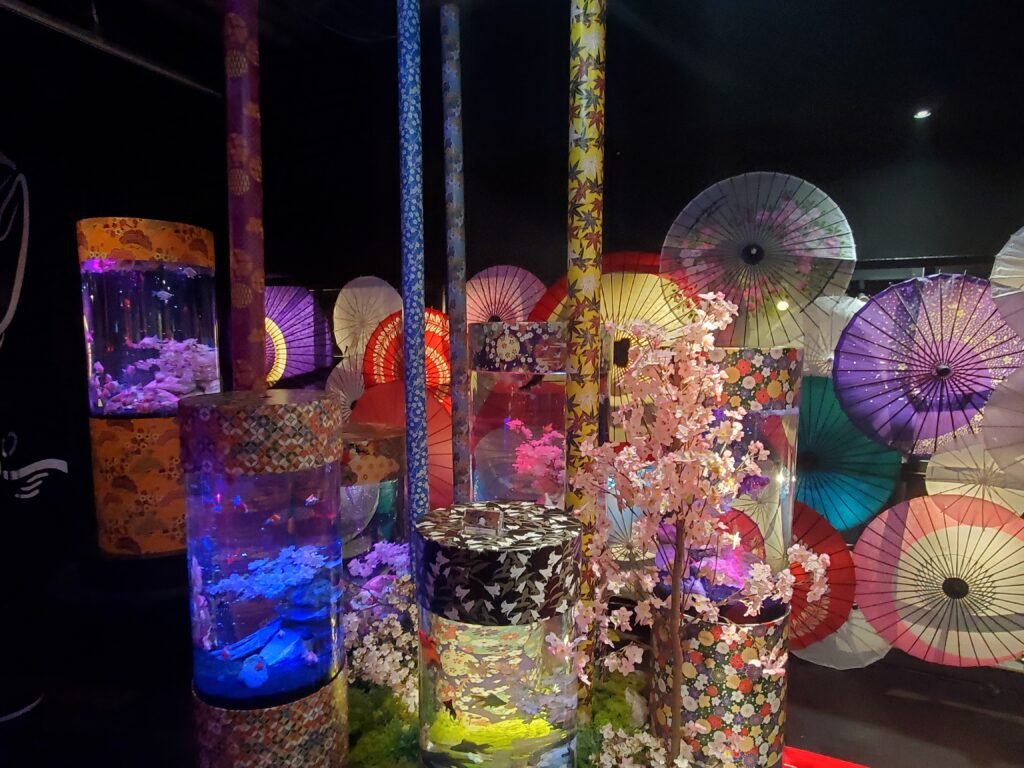
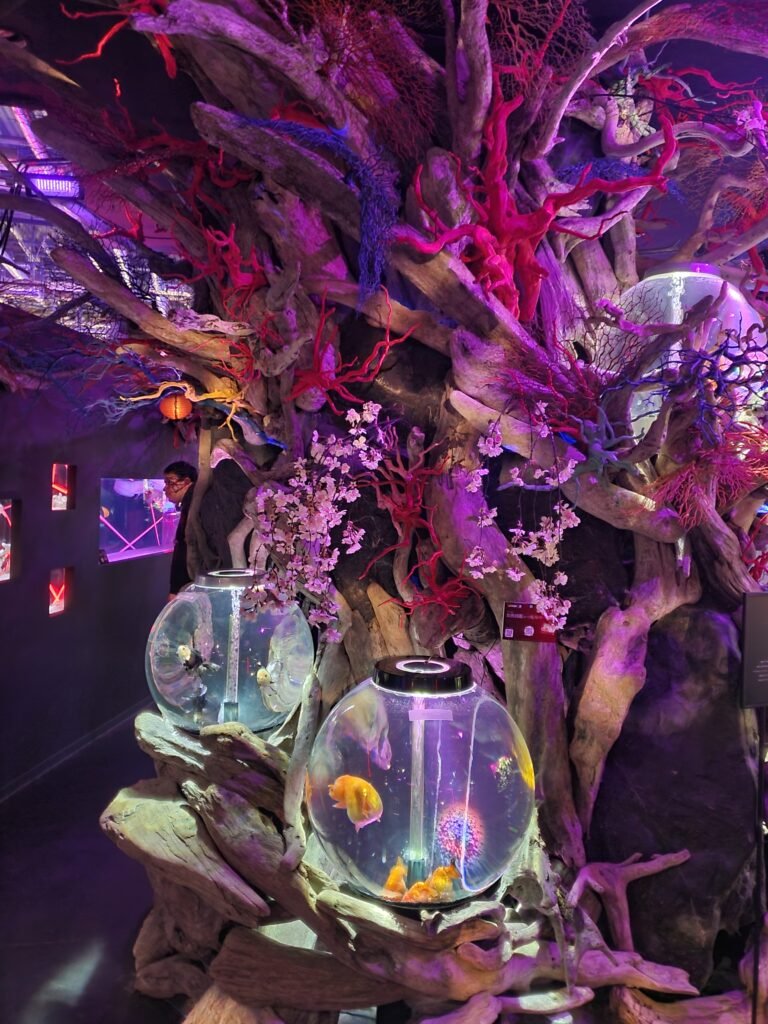
Eventually I met back up with Carlos and we headed to a small place in the mall, UWS Aquarium GA☆KYO. Tickets were ¥1,500 each, and while the place wasn’t huge, it was a very stylized and immersive aquarium-meets-art space blending traditional Japanese aesthetics with aquatic life. The tanks were surrounded by patterned washi paper and kimono motifs, and one room had an entire wall of vibrantly lit parasols with cherry blossoms and tube-shaped tanks. The exhibits featured a variety of marine creatures including eels, seahorses, goldfish, mantis shrimp, and more – each presented with vivid lighting and creative set pieces. It only took about 15 minutes to go through, but it was a nice break and surprisingly atmospheric, though Carlos did not like how we were sprayed with mist when we entered and exited!
From there, we headed out of Aqua City back towards Tokyo Teleport Station, noting that most of the foot traffic was actually going the opposite direction – likely people heading into Odaiba for the afternoon, while we were moving on. We timed that well!
We caught the train directly to Shibuya Station from here, in order to head to the Pokémon Center. We exited near the famous Hachikō statue, but decided we’d visit it later. As soon as we stepped out, we were greeted by the chaos of Shibuya Crossing – arguably the busiest and most well-known pedestrian scramble in the world. When the lights change, hundreds of people cross in every direction at once. It can have up to 3,000 people crossing simultaneously! It was surreal to see so many people moving in such an orchestrated way.
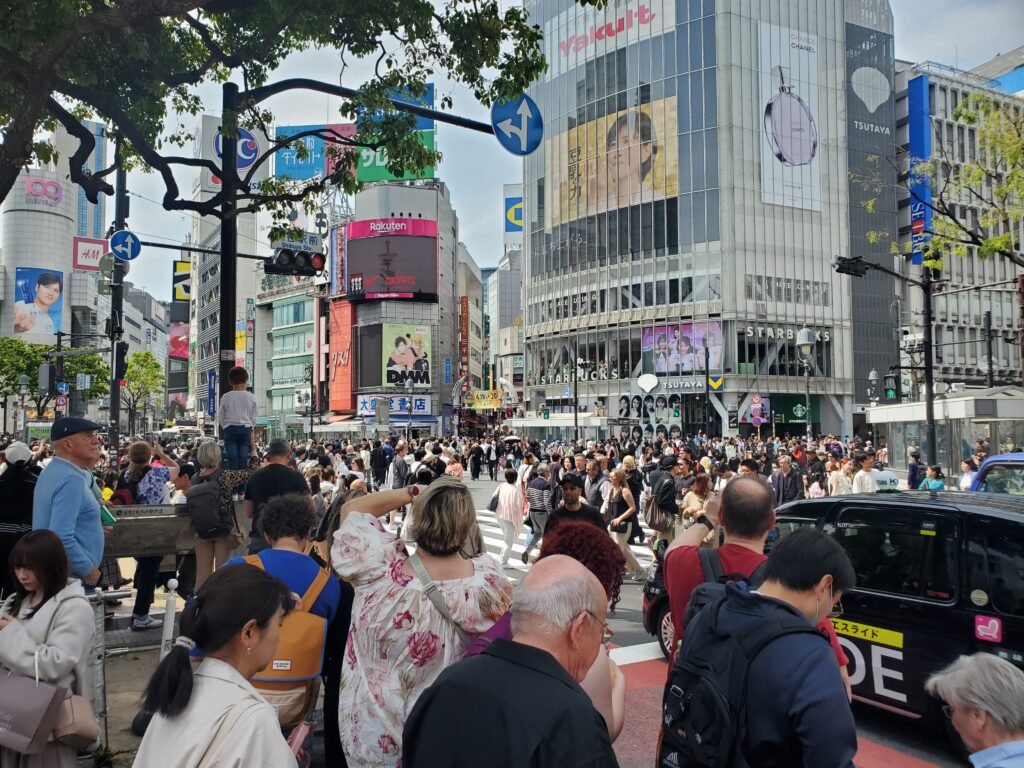
The atmosphere in Shibuya was the most tourist-heavy so far, with towering advertisements, colorful billboards, and lots of people in every direction. Before we could cross, though, we actually saw people in Mario Kart cars! This is part of Street Kart Tokyo, where you can dress up as characters (often from Mario Kart or anime) and drive through Tokyo’s streets in a convoy. I had considered doing it myself, but it was pretty costly (about $100 per person) and we already had too much else we wanted to see in the area. It definitely looked like a lot of fun though, and it was surreal watching them zip by in the middle of Shibuya!
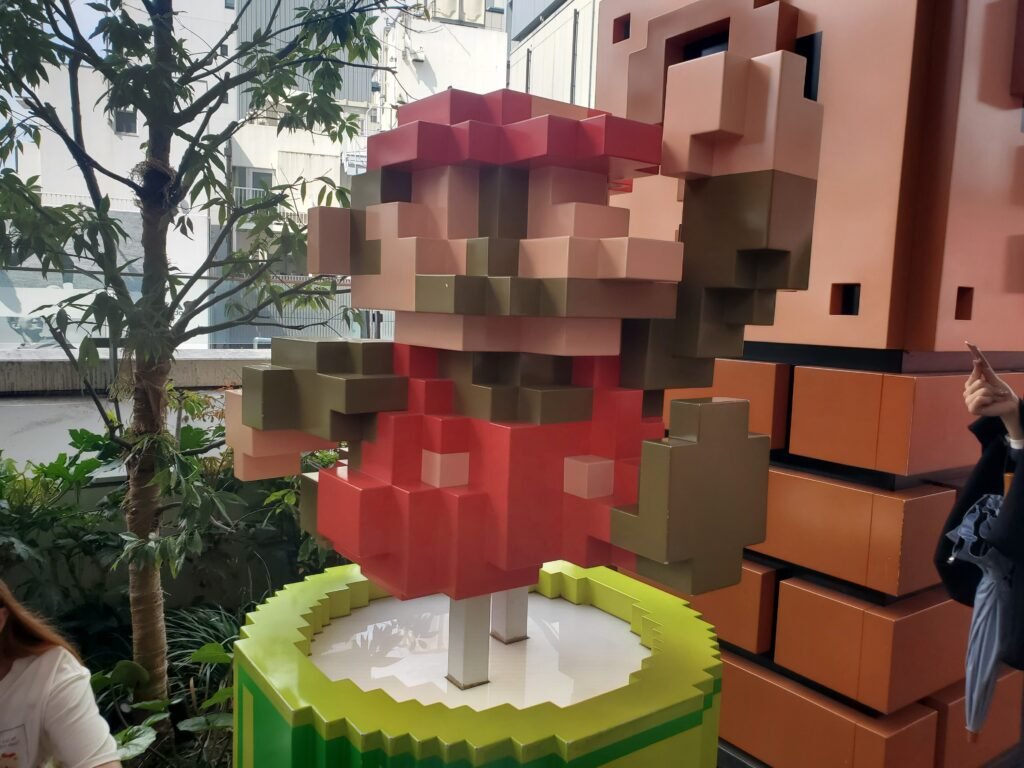
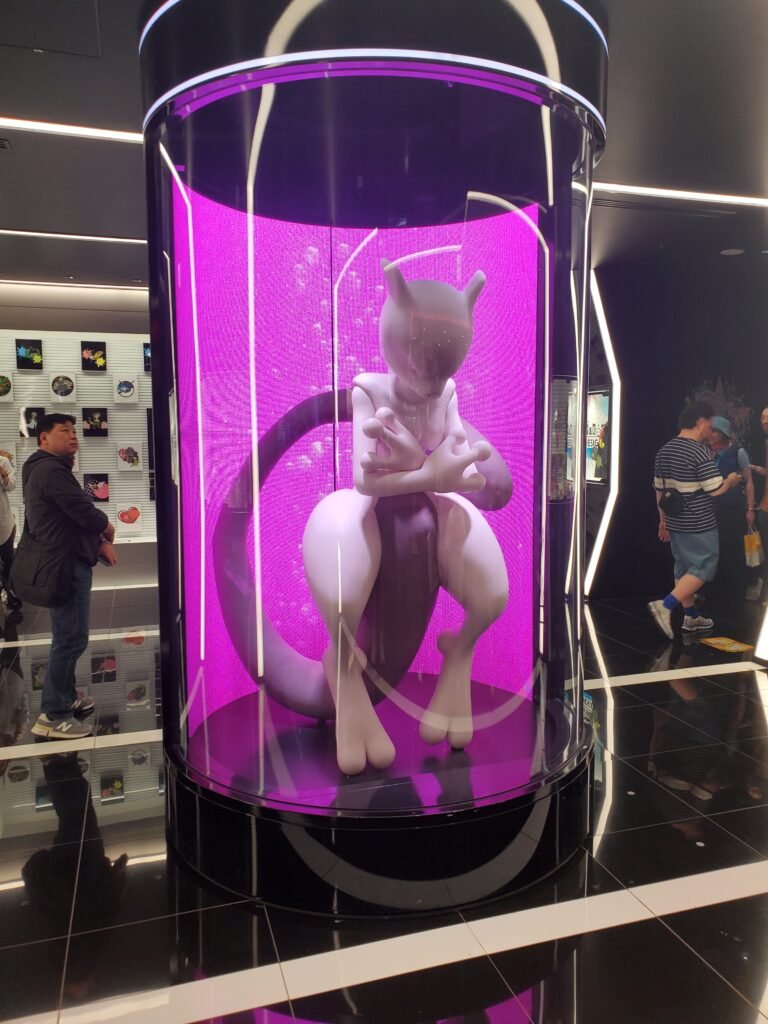
We walked through a bustling street of shops and eateries, and then up through a small uphill alley dense with other tourists. Once we made it to the Shibuya Parco shopping mall, where the Pokémon Center is located, Carlos hunted down gifts for his girlfriend and a mutual friend of ours. Meanwhile, I explored the Nintendo Store and picked up some things for my older brother – he’s a huge Nintendo fan and we grew up playing Mario and Kirby games on the Wii together. The mall had awesome displays, including a pixel Mario statue and a huge Mewtwo tank in the Pokémon section. Between both stores, the crowds were intense, and we ended up spending over an hour there just browsing and waiting in lines.
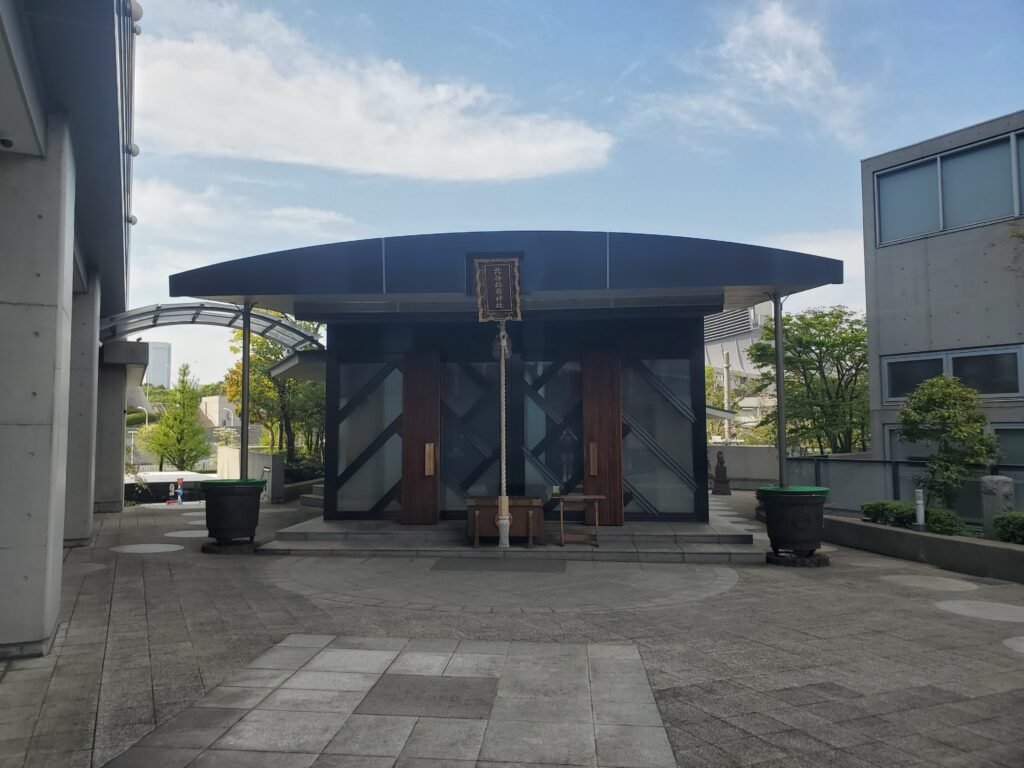
Next up was a 20-minute walk to another store near Harajuku Station. Along the way, we passed the Yoyogi 1st and 2nd Gymnasiums, massive sports venues originally designed for the 1964 Tokyo Olympics and now used for major events and concerts. We then visited Kitaya Inari Shrine, a compact but very modern-looking Shinto shrine nestled among the city streets. We received our third goshuin stamp here from a couple of kind monks. It also had a water fountain, which was a lifesaver – we were pretty dehydrated by then and took a few minutes to rest.
After that, we walked along some train tracks and crossed a small pedestrian bridge, then continued to Laforet Harajuku, a trendy fashion mall. I went inside to quickly visit the Sailor Moon Store, where I picked up a gift for a friend. Carlos and I then met back up and continued walking south back toward Shibuya Station.
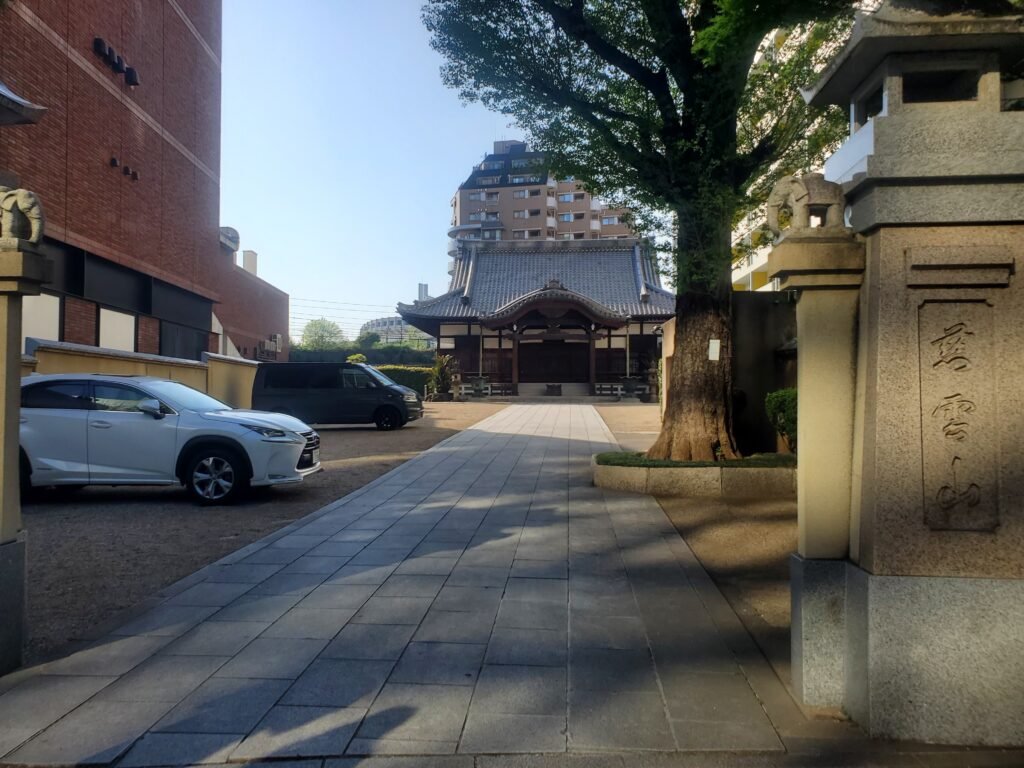
Along the way, we stopped briefly at Chōsenji Temple, hoping to receive another goshuin, but it appeared to be a private temple, likely used primarily for funerals or local services. Still, it was a peaceful, quiet spot tucked right in the heart of bustling Shibuya.
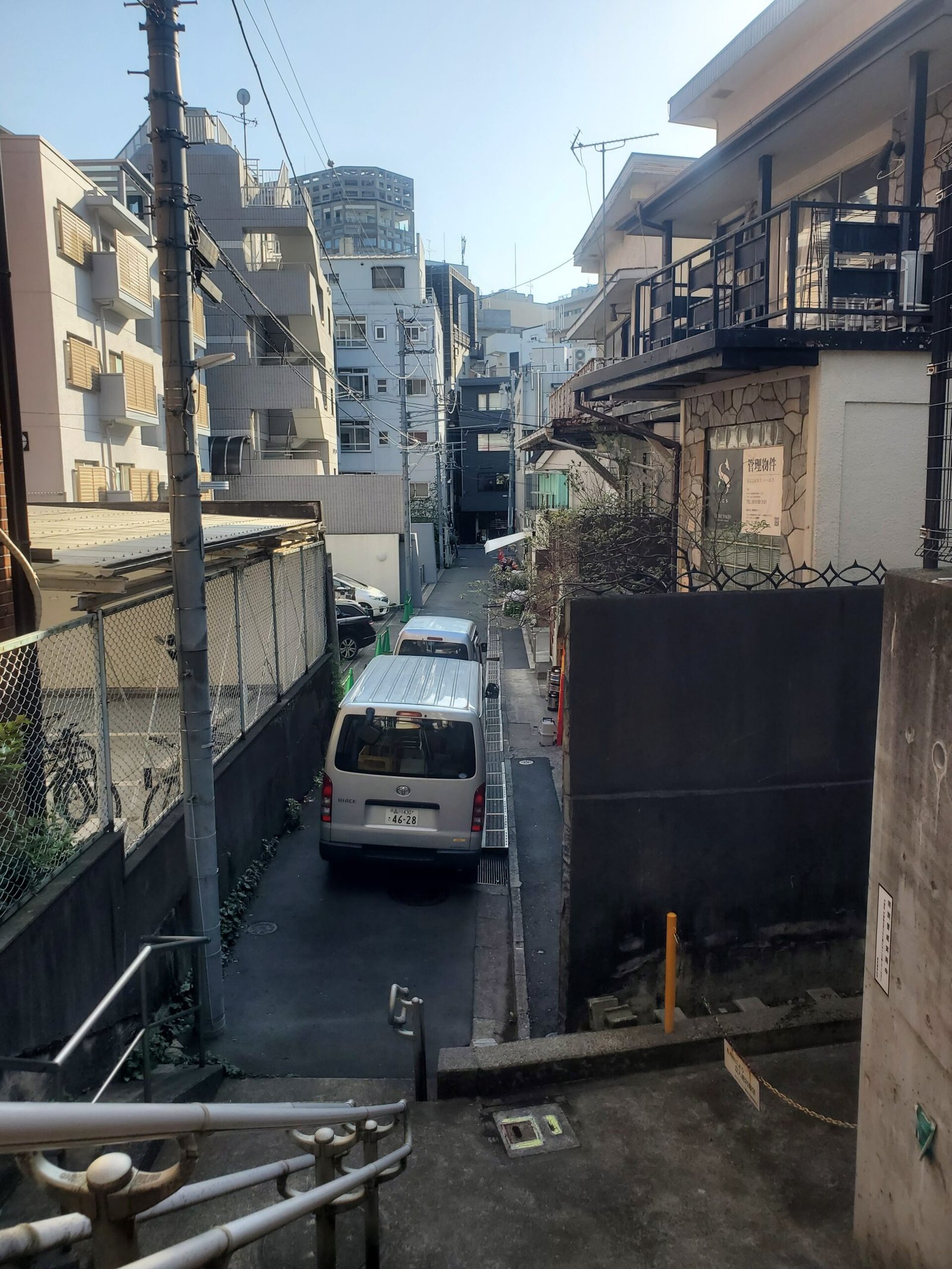
We made one last stop at Onden Shrine, a small but well-maintained local shrine tucked into the backstreets. From what I could tell, they do give goshuin, but we must have just missed the cutoff -we arrived just before 4:00 p.m. The walk there was peaceful and took us through several narrow alleyways, offering a very different view of Shibuya.
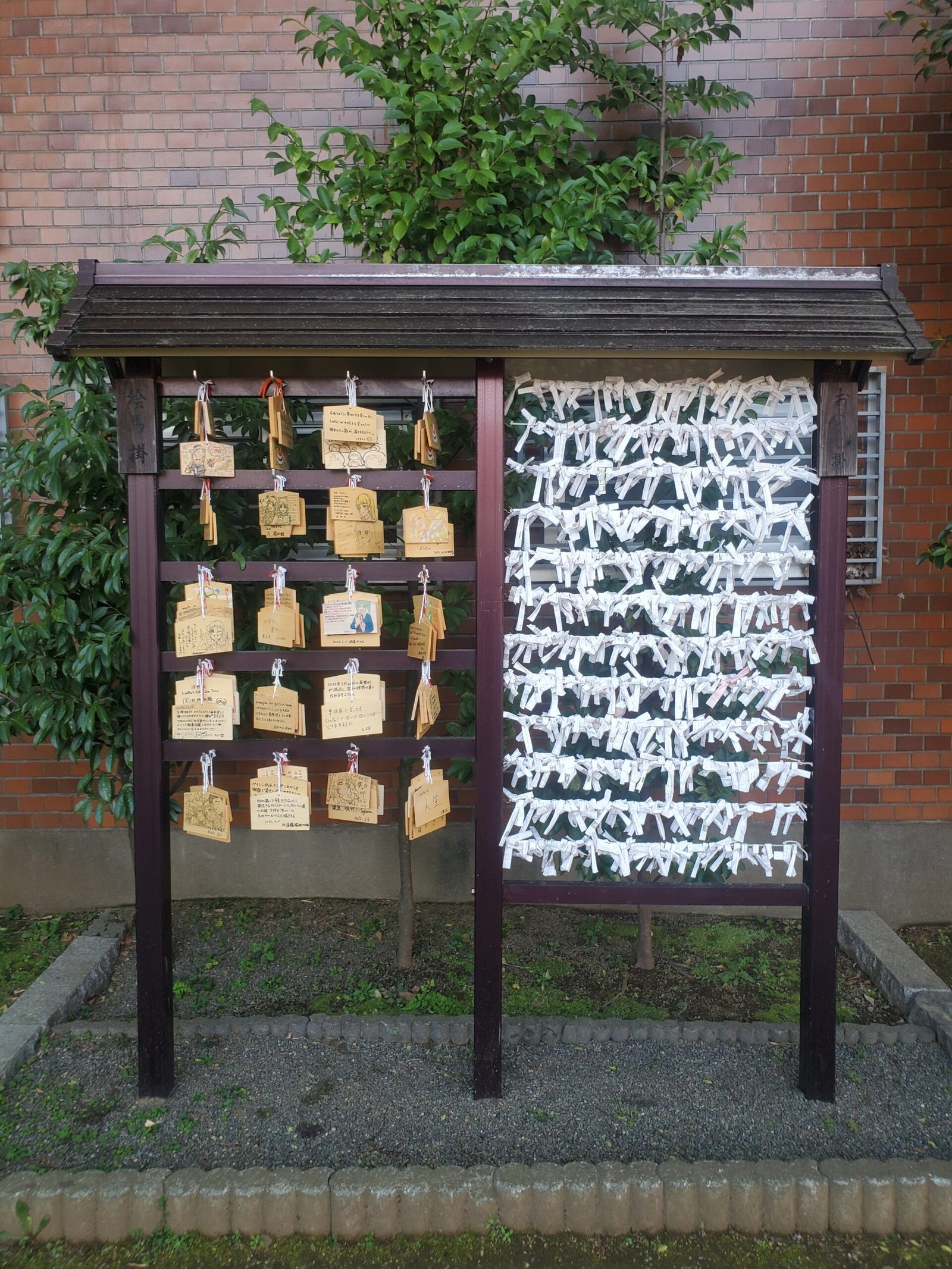
At the shrine, we saw a common sight at many shrines across Japan: ema (wooden plaques) and omikuji (paper fortunes) tied to boards and strings. Visitors write prayers or wishes on ema and leave them behind, while omikuji are often tied up if the fortune is bad, symbolizing letting go of the misfortune. We took a short break, sitting on the stairs descending from the shrine into a quiet alley, and just let ourselves relax.
From here we headed back towards Shibuya Station. We stopped at a 7-Eleven on the way to buy drinks and recharge our Suica cards, and then kept walking as we admired the striking buildings along one of Shibuya’s main roads. We also went into a small store (Hello Kitty Japan Shibuya), for Carlos to try and find a plush for his girlfriend, though he did not end up finding it.
We continued forward, but before crossing the scramble again, we saw smoke (what looked to be a car fire) and heard sirens from a fire engine – and amazingly, the bustle of Shibuya Crossing lay completely still despite the lights being green, allowing for the first responders to get through.
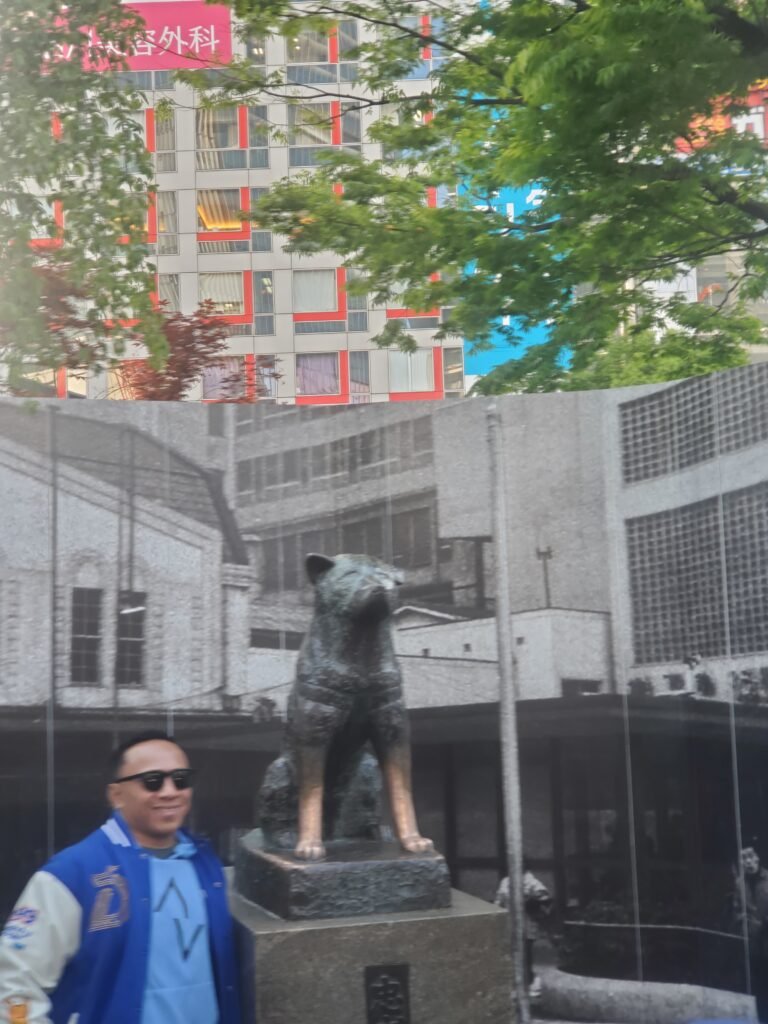
After crossing, we briefly saw the Hachikō statue, which was surrounded by a crowd of people taking photos. I snapped a picture as we walked by, not wanting to wait in the long line, then made our way back to Shibuya Station to head to Shinjuku just before 5 pm.
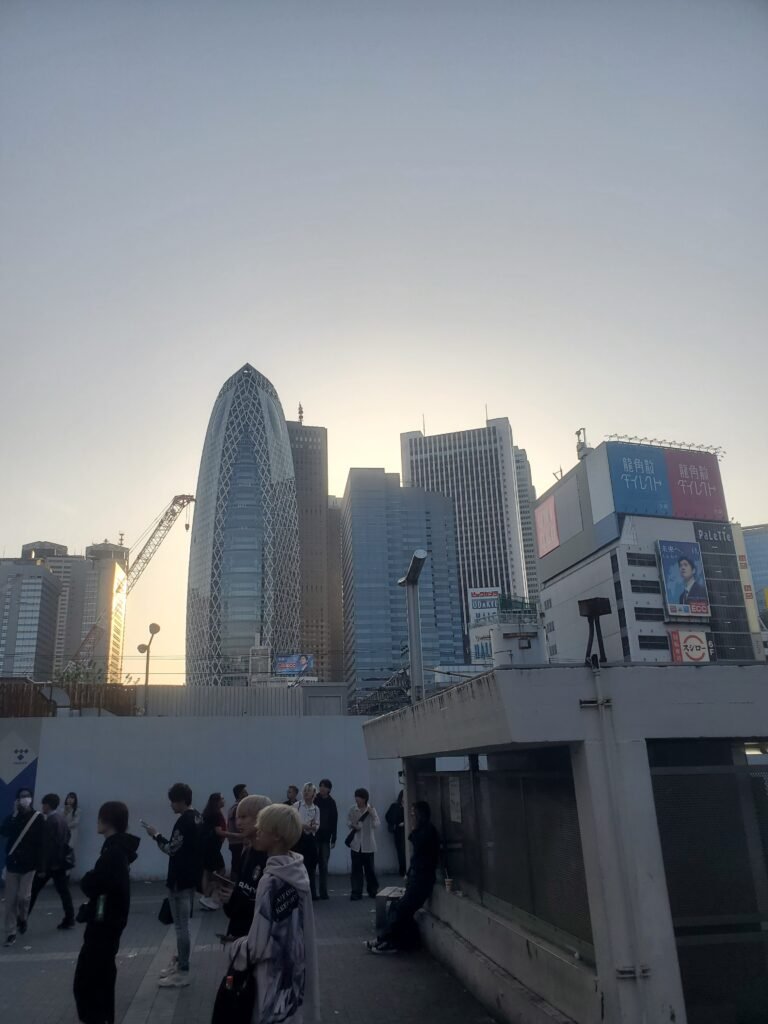
Despite our efforts to beat rush hour, the train was already getting a bit crowded, but manageable. We exited at Shinjuku Station, and chilled for a while at the East Exit Station Square, a busy open area with plenty of seating and a great view of the city. We sat next to the Miraion Lion, a statue meant to symbolize strength and future vision, especially with the backdrop of Shinjuku’s towering skyline.
While there, we got to see the Giant 3D Cat billboard across from the station. It’s a curved LED screen that creates a surreal 3D effect of a cat popping out of the display. It’s become a viral hit and a popular photo spot, and was super fun to see in person.
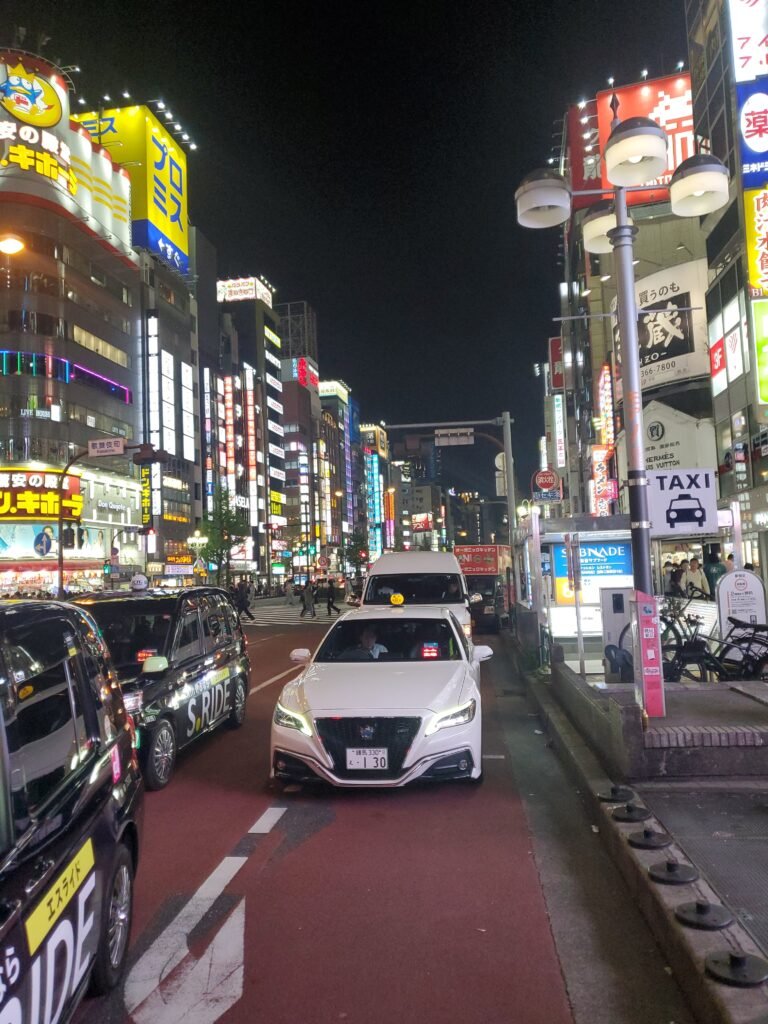
We then made our way down to Kabukichō, Tokyo’s famous entertainment and red-light district. We didn’t walk through the iconic Kabukichō Gate, but we did pass by it – and later saw it lit up after it got dark. The bold red neon signage that marks its entrance glows above the street, leading into a maze of shops, bars, clubs, and restaurants.
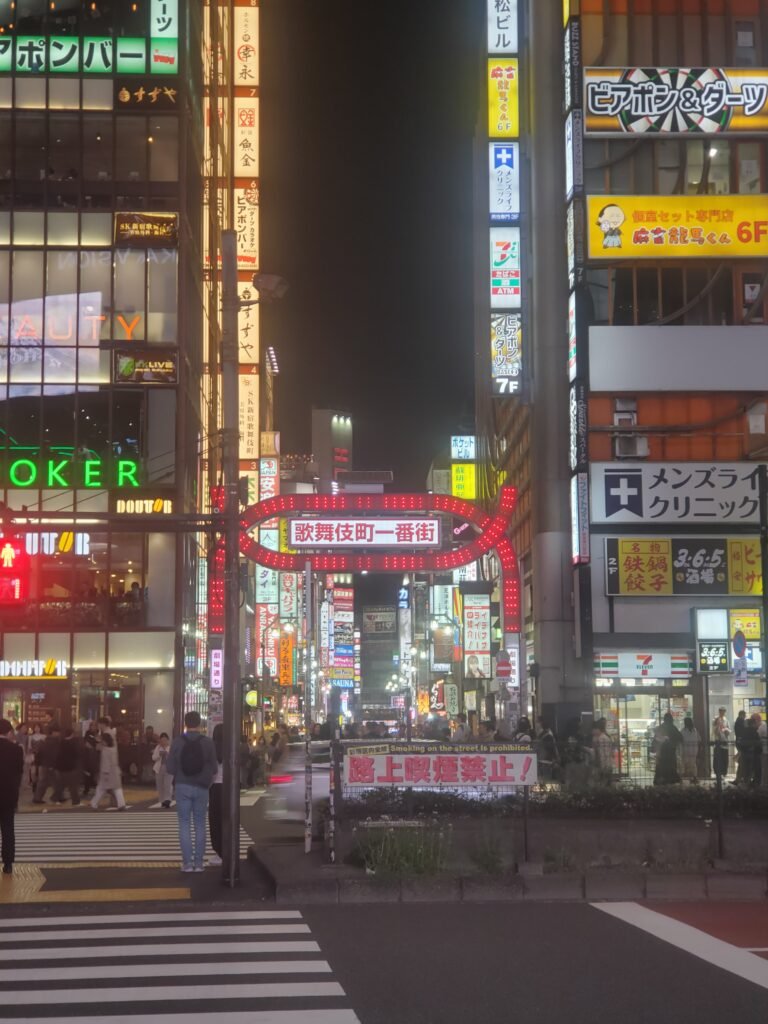
While we had originally considered checking out a bar or two, we were already pretty tired. We ended up wandering around instead, trying to find a place to sit down, charge our phones, and access Wi-Fi. Our first stop was a Starbucks in the underground Subnade shopping complex. While it didn’t have charging ports, it was a nice place to relax, so we ordered drinks and rested for a bit. I checked out the surrounding area, but could not find anywhere to charge up.
After a bit of rest, we headed out for dinner and stopped at Sakura Sushi, a conveyor belt sushi restaurant. Each plate had a different color to indicate the price, and the process was simple – just grab whatever looked good as it passed by. There were hot water faucets at every table for making green tea, and Carlos found out that he really enjoys it, so he had a couple of cups. I’m not big on tea so I just tried a bit. The sushi was really good – we discovered we both love unagi (eel)! I also tried spear squid, which was definitely interesting, and a shrimp roll. Carlos had a few things but was definitely not a fan of the salmon – he said raw fish just wasn’t for him. Dinner for the two of us was around ¥3600 total (~$25 USD), which felt like a great deal.
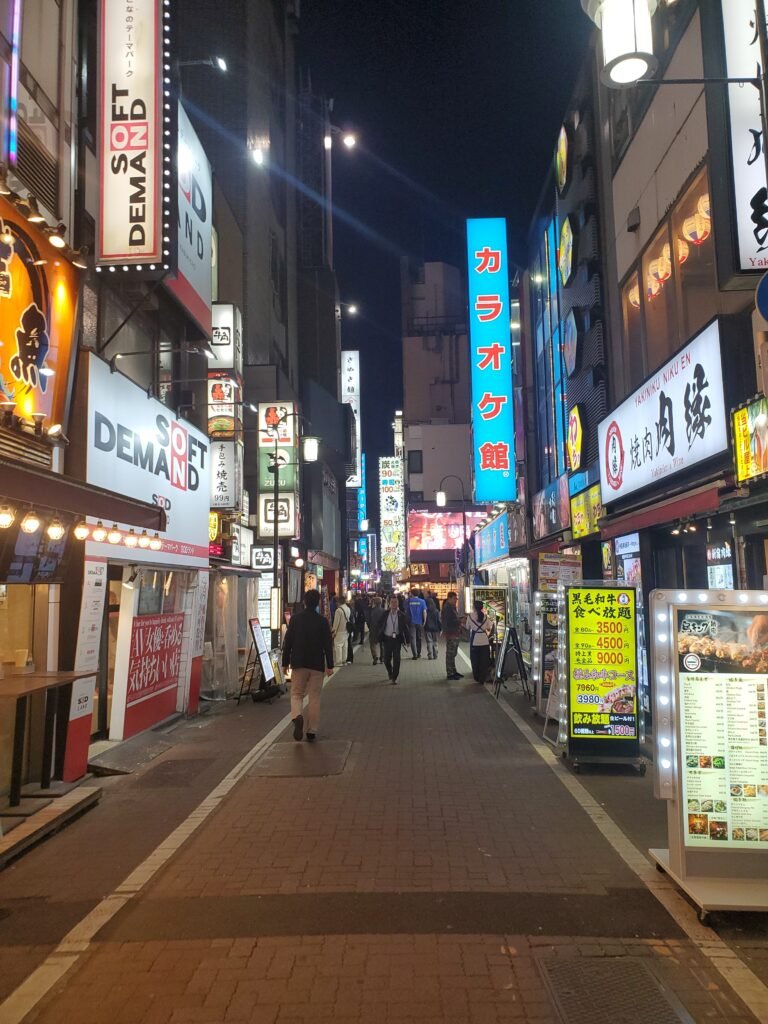
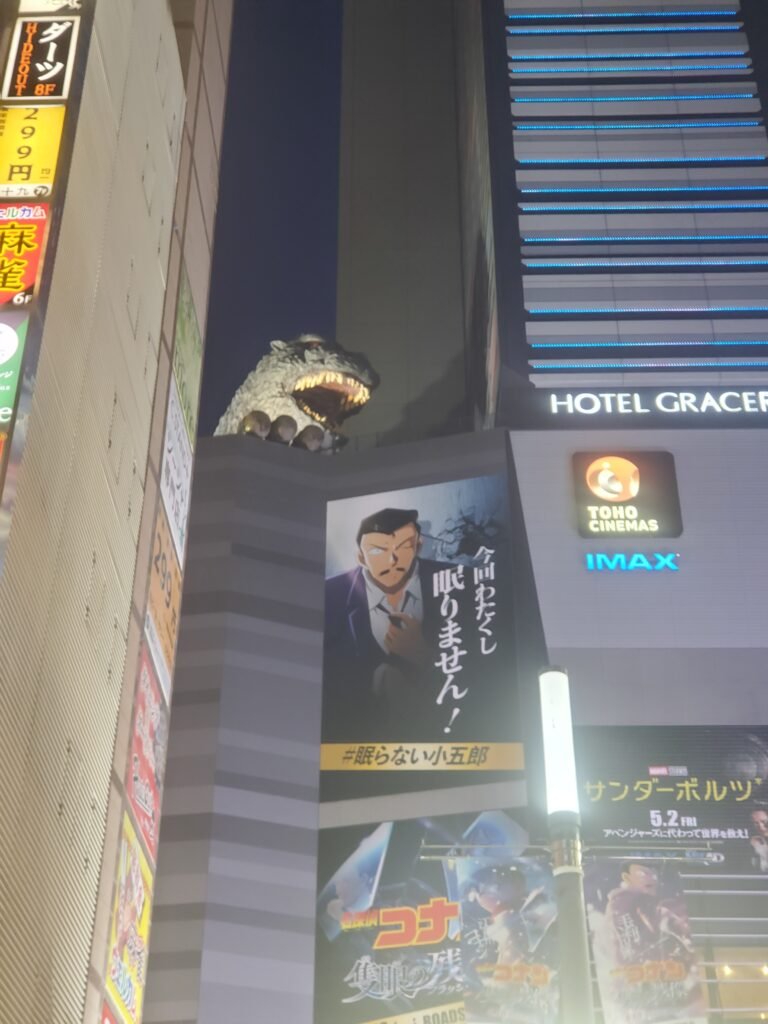
After that, we walked through some of the smaller backstreets and made our way to the Hotel Gracery Shinjuku, home of the famous Godzilla Head. It’s mounted on the terrace of the hotel’s 8th floor and towers over the street below, roaring and lighting up every so often, though we didn’t get to see that. The walk there was fun on its own – little alleys buzzing with nightlife, people spilling out of bars, and the city slowly transitioning into evening as the lights came on. It was around 6:40 by this point and getting dark.
Still looking for a good place to rest and charge our phones, we decided to check out 宝島24 新宿本店 (Takarajima 24 Shinjuku), a 24-hour internet and manga café. We went up a few floors to the reception desk, but realized that the floor was lined with shelves of adult content – apparently it is more openly displayed in these types of places and not considered as taboo as it is in Western countries. It was a bit surprising, but certainly part of the cultural experience! Ultimately, they didn’t have any available booths, so we left and made our way back toward a McDonald’s we had passed earlier, a four-story location.
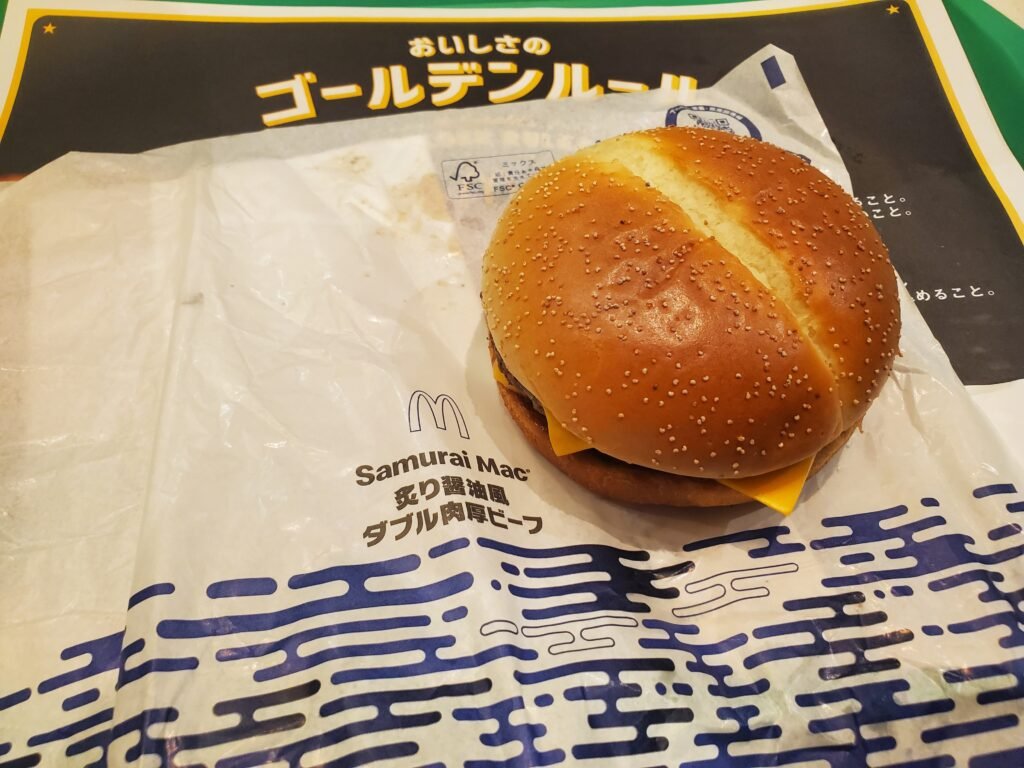
Since we didn’t want to just loiter, I bought a Samurai Mac burger for Carlos and I to split. It had a smoky soy sauce flavor and thicker patties than the typical Japanese McDonald’s burger – it was very interesting and tasty! McDonald’s was something I had already planned to do at some point on the trip – trying it in every country I visit has become a personal travel tradition.
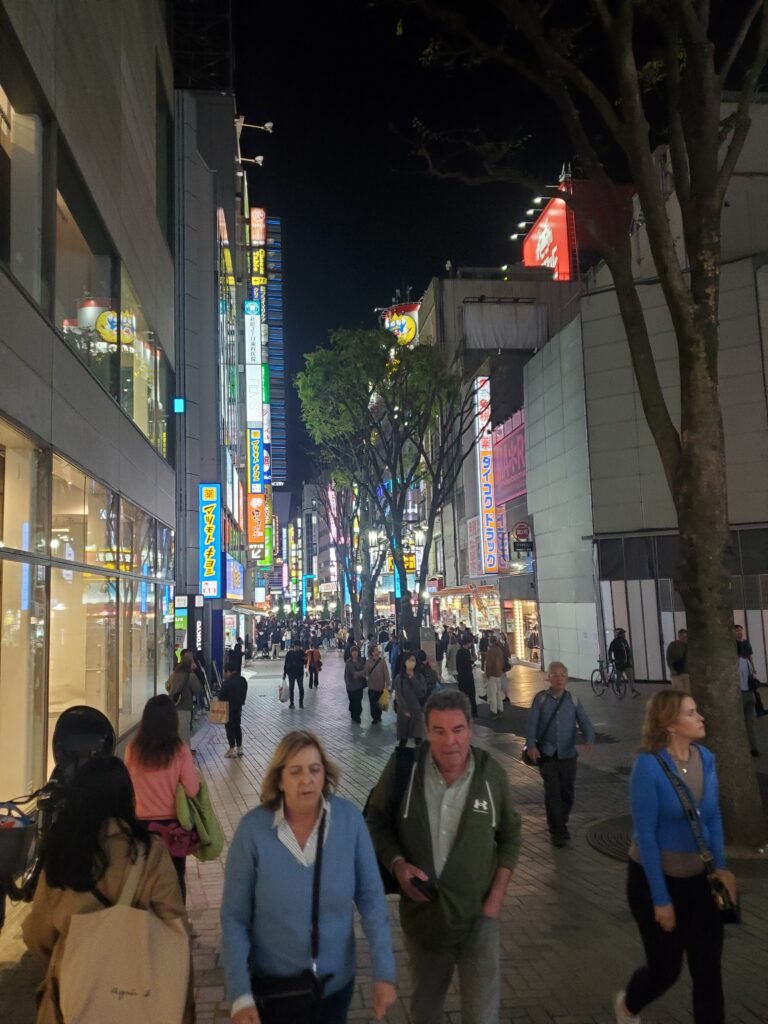
We relaxed there for a while, using the time to recharge both our phones and ourselves, as well as to wait out the end of rush hour. Around 7:30, I headed out solo to visit the Godzilla Store. I picked up a small figurine for my boss and enjoyed the walk. Shinjuku at night is alive with voices in tons of languages, neon lights, and the steady hum of the city.
Once I returned to McDonald’s, I made one last stop at the nearby Don Quijote. These stores are well-known across Japan for being absolutely packed with every kind of product imaginable – electronics, souvenirs, snacks, cosmetics, costumes, you name it. This one, though, was chaotic and packed with tourists, and I was too tired to stay long. We finally left Shinjuku around 8:40.
The great thing was that we could take the train straight back to our station, with no transfers required. The train ride took about 30 minutes, but with walking and letting Carlos rest a bit, we didn’t arrive back at the hotel until around 9:30.
One last note – Funabori, the area in Edogawa where we stayed, wasn’t touristy at all. It was incredibly quiet and felt very residential. Over our six nights there, we saw hardly any other tourists except at the hotel. That ended up being a big plus – it gave us a chance to experience Tokyo away from the usual crowds and chaos.
Now, we had a great time exploring Tokyo, but the next day was something I’d been waiting for since 2023 – Day 1 of Star Wars Celebration.
[…] Read about my second day in Tokyo here! […]
Busy day