

When I think back to my trip to Japan just over a year ago, one of the things I most fondly remember is the konbini, or “convenience store” in English. They quickly became a staple of my daily routine while traveling, and if you visit Japan, you’ll probably find yourself stopping by one at least once a day!
You’ll find konbinis around seemingly every street corner, and they are much more than just places for getting snacks. Whether I needed a quick breakfast at a train station, a late-night meal after a day of exploring, or cash from an ATM, they were always there. They can even help you recharge transit cards, buy attraction tickets, ship luggage, and much more than you’d ever expect! Here’s what makes Japanese convenience stores so special, and what you should know before your trip to Japan.
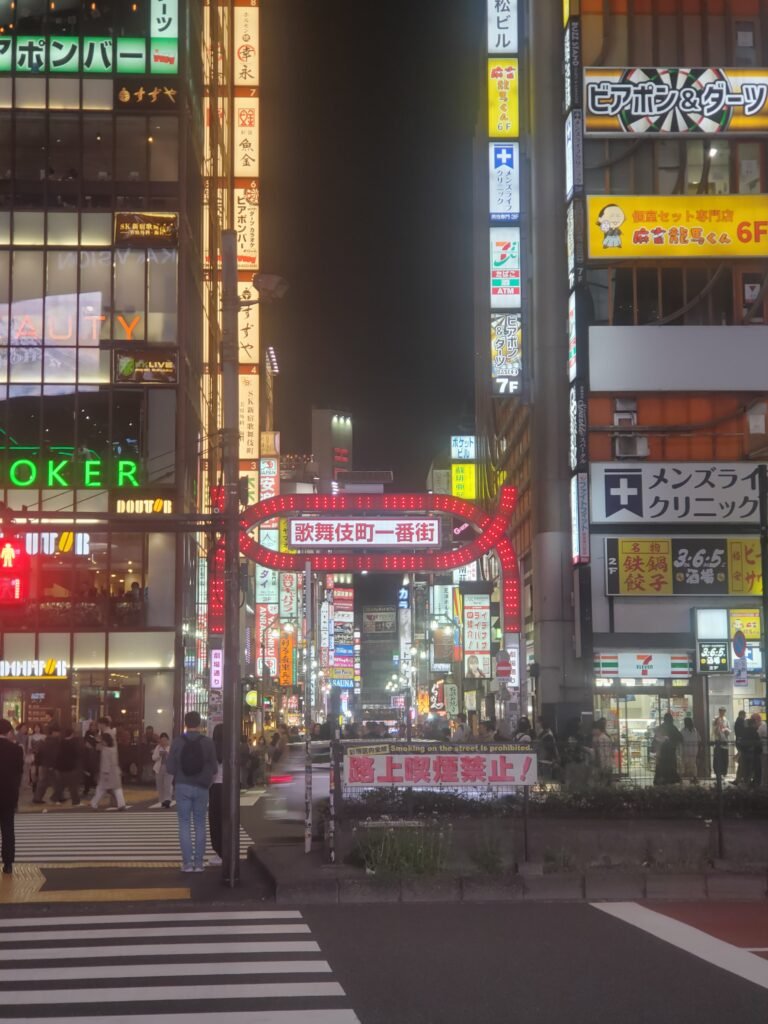
What Exactly Is a Konbini?
Konbini (コンビニ) is simply the Japanese adaptation of the phrase “convenience store.” They are everywhere in Japan, with the three main chains being FamilyMart, 7-Eleven, and Lawson. Together these three brands operate around 50,000 stores across the country, so you’re rarely more than a short walk from one.
While all three are Japanese staples, 7-Eleven is also popular throughout many other Asian countries. After visiting Japan, I also noticed them in Taiwan, Malaysia, Brunei, Singapore, and Hong Kong. Although the company was originally founded in the United States, American locations function more like gas station convenience stores, whereas Japanese konbinis offer a much wider range of fresh food, snacks, and public services. Interestingly, the American branch of 7-Eleven is now owned by the Japanese company.
And once you step inside, you quickly realize they’re on another level.
Hot Meals, Snacks, & More
Walking into a konbini for the first time can be an overwhelming experience – but in a good way. There are so many different foods to try and snacks to see. There are aisles full of candy, chips, ramen, drinks, microwave meals, sandwiches, and desserts. Some items are familiar, while others – like squid jerky – will be totally new. They also love seasonal and limited-time items in Japan, so you’ll often find products that are only there for a few weeks.
The hot food, though, is what really sets Japanese convenience stores apart. Fried chicken is one of the best options overall, with all of the “big three” having unique specialties such as FamilyMart’s “Famichiki”. They also all have pizaman (ピザまん), or pizza buns – personally one of my favorite choices. Think a bao bun but with pizza toppings! There are also corn dogs, pork buns, chicken nuggets, and plenty more options – you’ll just have to see for yourself and experiment!
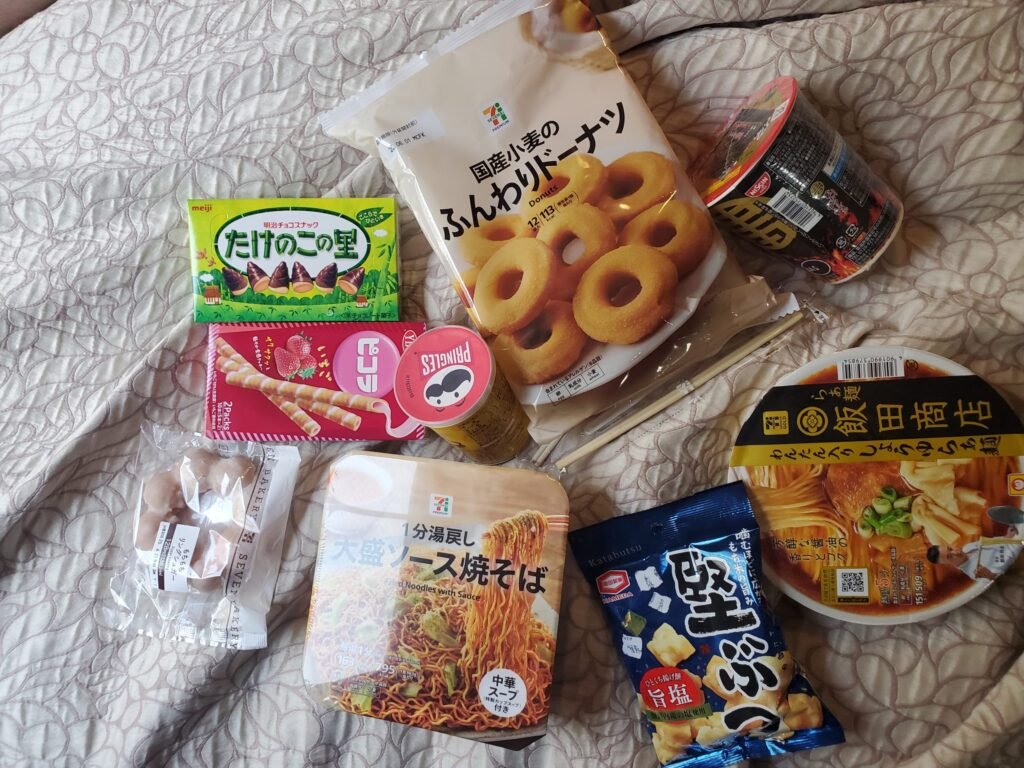
When I visited Japan, I definitely relied on konbinis way more than I anticipated. By the end of my trip, it had basically become a daily routine! Whether I needed a quick snack, cold drink, or hot meal, they always had something good.
For example, when I went to Star Wars Celebration Japan, I didn’t realize how expensive the food inside would be – I ended up walking to a nearby McDonald’s for lunch. So, for days 2 and 3, I decided to stock up so I could just stay at the convention center. I had plenty of unique options, and could simply take a few minutes for a snack break whenever I wanted!
When my friend Carlos and I basically got scammed by paying way too much for a few tiny pieces of chicken in Nara, 7-Eleven was there to save the day with hot fried chicken and steamed buns. And on our day trip to Hiroshima, we hit a 7-Eleven for a late lunch before taking the bullet train – only to get some FamilyMart items after getting back to Osaka. I was even able to stock Carlos up with some ramen on the days he stayed in, as most hotels in Japan will have a kettle.
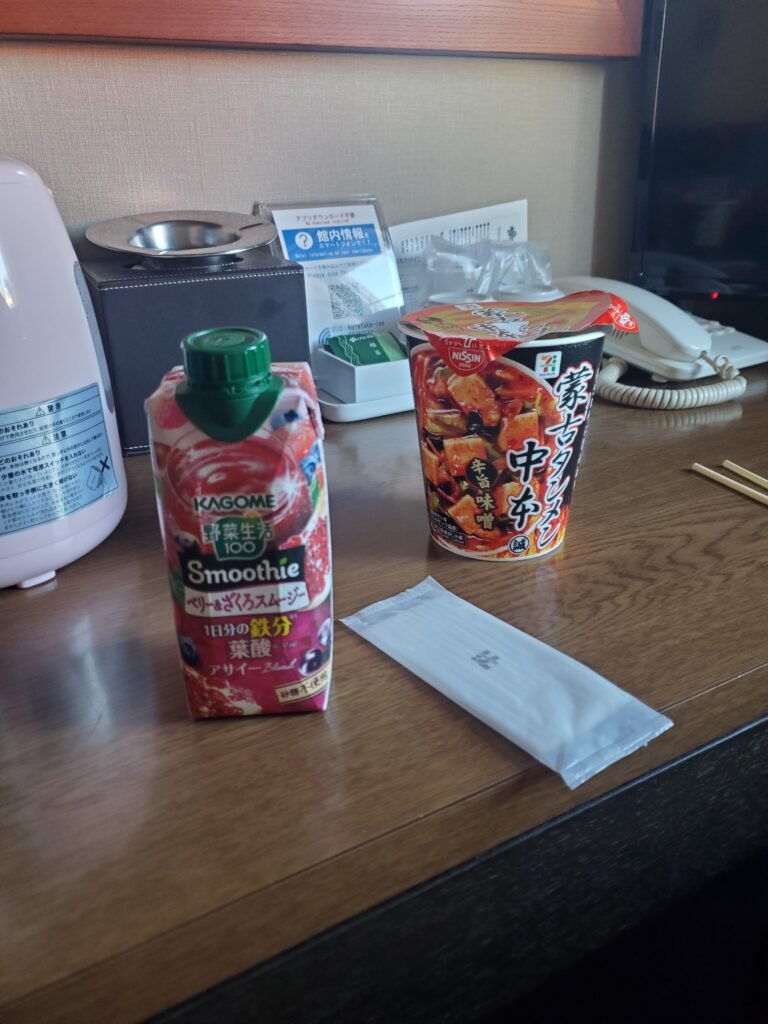
Of course, beyond just food there are plenty of other reasons why konbinis are great for tourists. They’re also full of services that make traveling around the country much easier.
Why They’re Perfect for Travelers
One of the reasons I really loved konbinis was how easy they were to find. At each of the hotels I was at, I was never more than a 5-minute walk from one – and often there would be multiple within that same distance. They are also very common in train stations, which is best for stocking up before taking the bullet train. They also sell bento boxes that are perfect for longer train rides, although many major stations have specialty shops with an even wider selection of regional meals. Keep in mind that it is considered impolite to eat on most trains, though it is fine on the shinkansen.
One of the things I used most frequently were the ATMs. Most konbinis will have ones that allow you to use your bank card for physical cash (though keep in mind there is a foreign transaction fee). This is important as some places will only take cash, such as temples when getting a goshuin stamp – one of the best aspects of visiting Japan. You will also need cash to recharge your metro cards such as Suica and Pasmo, which you can read more about here.
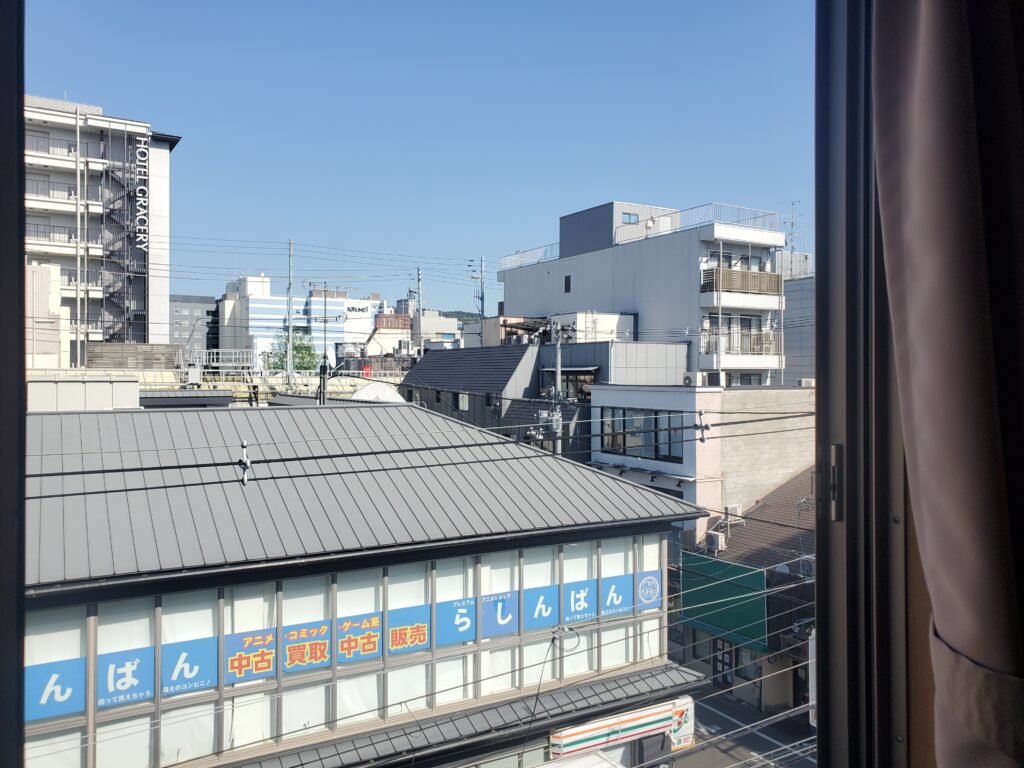
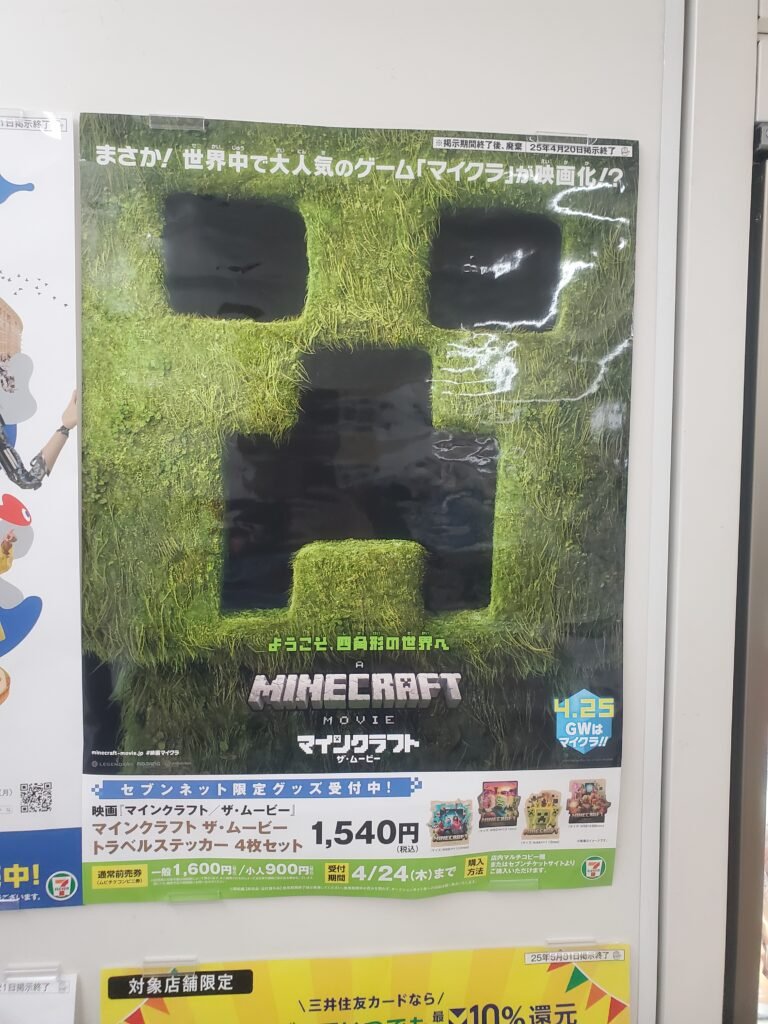
Many konbinis also offer high-quality printers which can be accessed through USB sticks or phone apps. While locals use these for everything from tax forms to concert tickets, travelers may find them useful for printing reservations, boarding passes, or other documents. In addition, there are kiosks where you can buy tickets for sporting events, local attractions, express buses, and more. Some locations also function as post offices, which includes things like luggage forwarding and in-store shipping. There are even posters on the wall announcing things like community events and new movies.
While I recommend bringing reusable bags for shopping, they will give you single-use plastic bags for a small charge. Ideally you should always have a small backpack with you for snacks and drinks, and make sure to also bring Ziploc bags as trash cans are actually fairly uncommon on the streets in Japan. Konbinis are a good spot to throw small bits of trash away – just be considerate and avoid filling them with large amounts of trash from elsewhere.
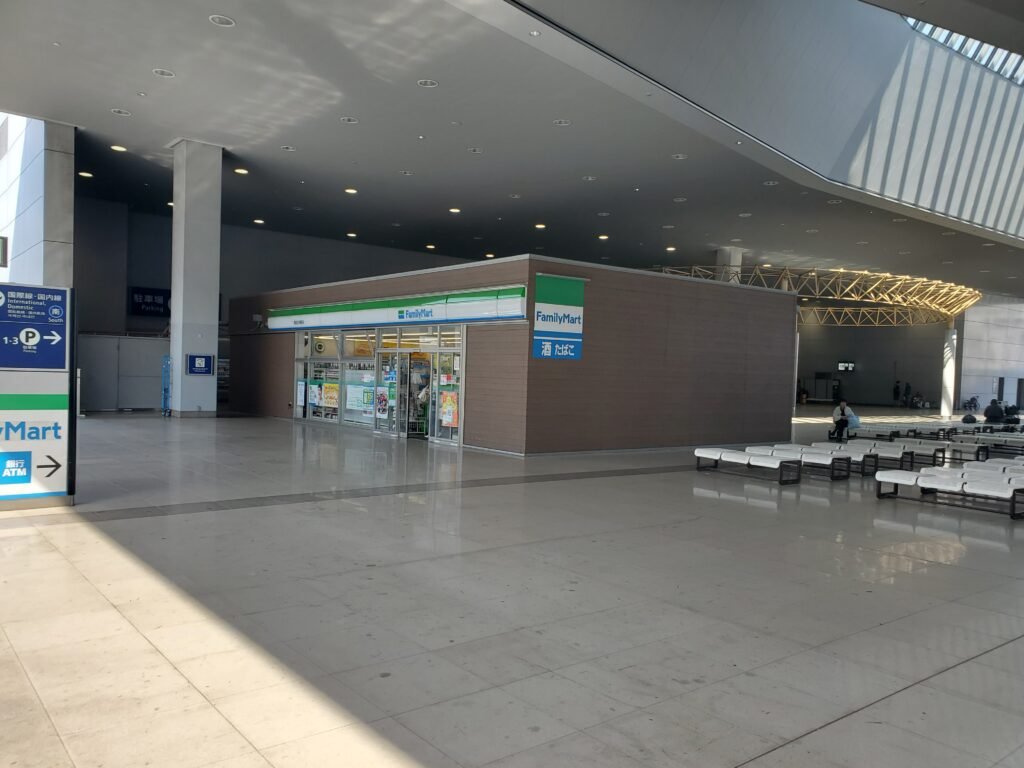
And of course, don’t forget to bring a few Japanese snacks home with you! Even if you forget to stop by a konbini before heading to the airport, chances are you’ll find one there waiting for you.
Little Things That Surprised Me
Of course, there are also smaller aspects to keep in mind about konbinis. First of all, to pay with cash there are machines in which you insert the bills and coins, and it will spit out the change. If you are paying with card, there’s a small tray to put it in that you will give to the cashier. When they are done with it, they’ll pass it back. This is a wider part of Japanese culture, so konbinis are a good place to practice.
Obviously, knowing some Japanese always helps your interactions go smoother, but even if there is a language barrier the transactions should be fairly straightforward. Keep in mind that basic phrases can go a long way! Greet the cashier with one of three phrases depending on the time of day: Ohayou gozaimasu (oh-hah-yoh go-zye-mass) in the morning, konnichiwa (kon-nee-chee-wah) for midday, and konbanwa (kon-bahn-wah) for evening. And make sure to thank them by saying Arigatou gozaimasu (ah-ree-gah-toh go-zye-mass).
One thing you might be shocked by is how clean and organized the stores are. They may run low on certain items towards the end of the day, but overall they will always be presented very nicely – this is another major aspect of Japanese culture.
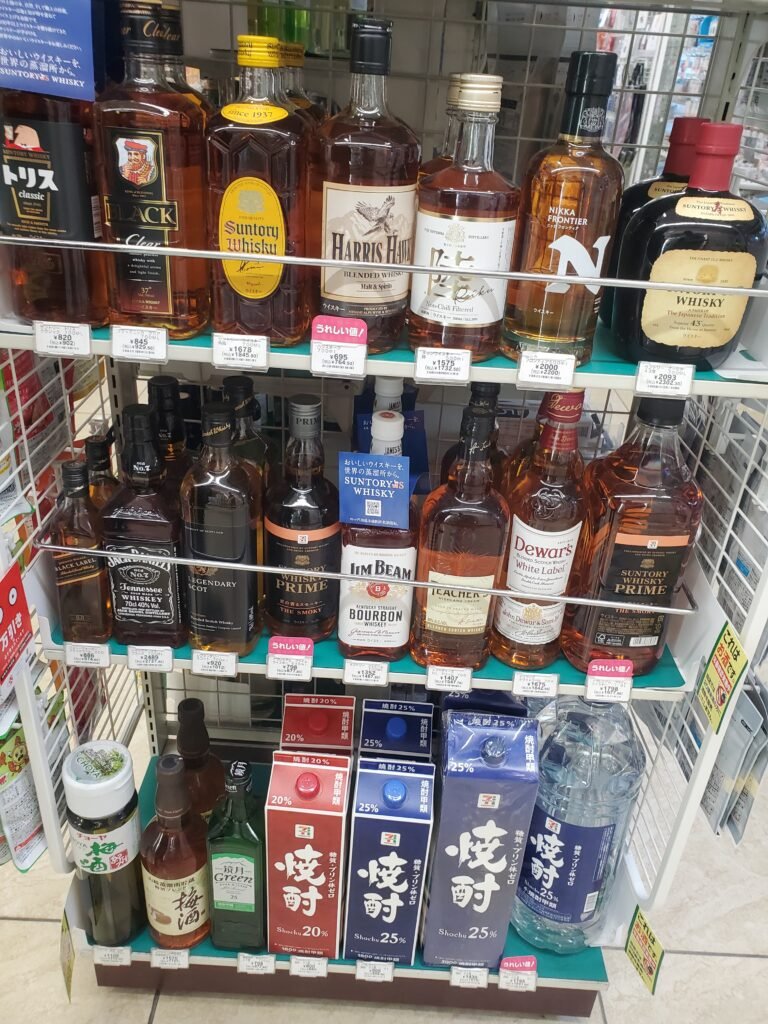
And most surprisingly to me, they have quite the alcohol display! They have some cold drinks like beer in the fridges, while also having several shelves of whiskey, bourbon, sake, and more – including imported American drinks like Jim Bean!
None of these little differences are too difficult to adapt to, but they do make visiting a Japanese convenience store feel very unique.
Konbini vs Vending Machines
Many tourists hear about the vending machines in Japan, but I found myself using konbinis about equally as often. Each have their own advantages for different circumstances.
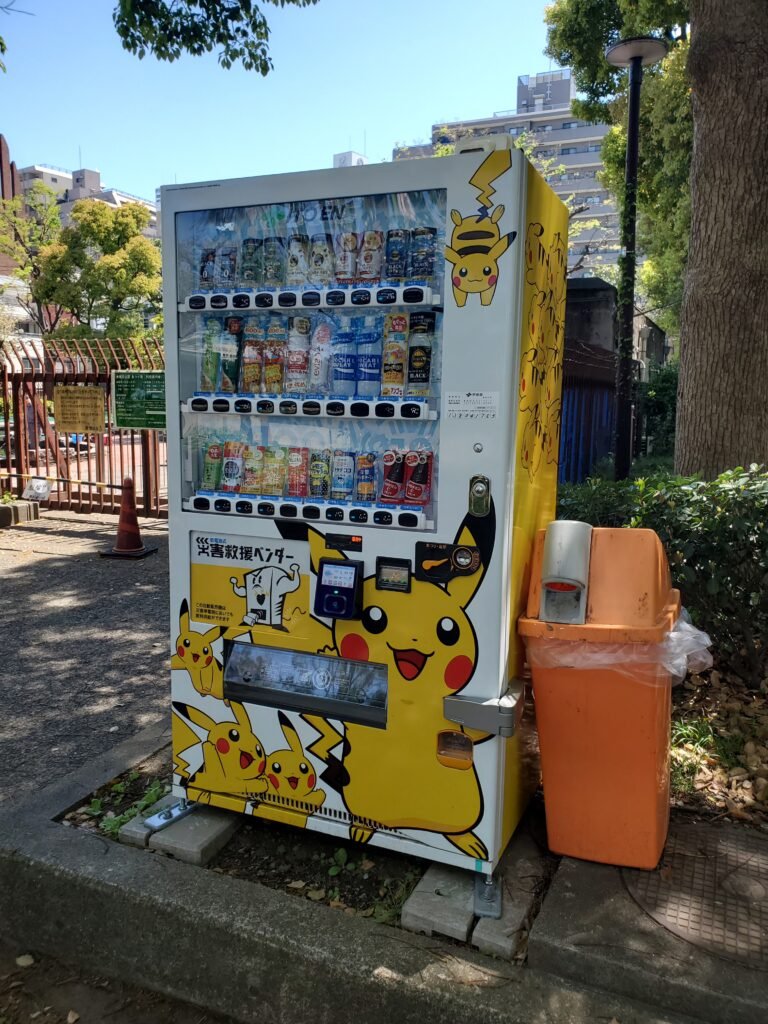
For example, vending machines are often better in suburban neighborhoods or public-use areas like parks, as it’s much easier to set one up, as well as less impactful on the environment. They’re perfect for getting a nice cold drink on a warm day, especially if you’ve been doing a lot of walking. There are even ice cream vending machines in some areas, like one Carlos and I saw near the Kinkaku-ji temple in Kyoto.
But konbinis offer far more than drinks. They have hot food, snacks, useful traveler services, and -perhaps most importantly on a hot day – air conditioning.
Conclusion
Japan has incredible shrines, castles, and historic sites, but some of my favorite memories came from everyday places. Whether I was refilling my Suica card before a train ride, grabbing a hot meal after a long day of sightseeing, or stocking up on snacks for Star Wars Celebration, stopping at a konbini basically became part of my daily routine – and honestly, it’s one of the things I miss the most after visiting Japan.
[…] grabbing some drinks and hot food – especially since we hadn’t eaten that day! Japanese convenience stores (konbinis) really do have some tasty choices; I grabbed fried chicken on a stick while Carlos got a corn […]
[…] without worrying about calculating exact fares. You can also easily refill them at stations and convenience stores. I would highly recommend getting one before leaving the airport – both Haneda and Narita […]
[…] To make up for it, we stopped by a nearby 7-Eleven, where we grabbed some hot food and drinks. Honestly, this was the better choice anyway – if you visit Japan never doubt the food from a convenience store! […]
[…] 7-Eleven experience. If you visit Japan, konbinis (Japanese for “convenience store”) will probably be something you go to quite often! We normally went to 7/11 or FamilyMart, though there are several other chains you can choose […]
[…] to initially buy the cards, they must be reloaded with cash! This can be done in train stations and practically any convenience store, such as 7-Eleven and FamilyMart, and is a very easy process. These machines can also be used to […]
[…] took a few more pictures of the Atomic Bomb Dome before crossing back over the river. On the way, we stopped at a 7-Eleven to grab some food, and while eating outside ended up chatting with a Canadian guy who was staying […]
[…] heading to Chiba today, I decided to pick up some snacks at a nearby 7-Eleven to keep myself fueled throughout the next couple days, before suiting up in my Obi-Wan Kenobi […]
[…] here we headed back towards Shibuya Station. We stopped at a 7-Eleven on the way to buy drinks and recharge our Suica cards, and then kept walking as we admired the […]
[…] location couldn’t have been better – there was a 7-Eleven right next door, and those two long shopping streets were just steps away. The only slight downside was that the […]
[…] We left the hotel around 9 a.m., stopping at a FamilyMart near the hotel to grab some food for breakfast. These are always great spots to grab some hot food and snacks – you can read more about Japanese convenience stores here. […]