

Last month, I had the chance to visit two cities in Uruguay: Montevideo and Colonia del Sacramento. Both have very different vibes – Montevideo offers a major city feel, while Colonia is a quieter and more historic town.
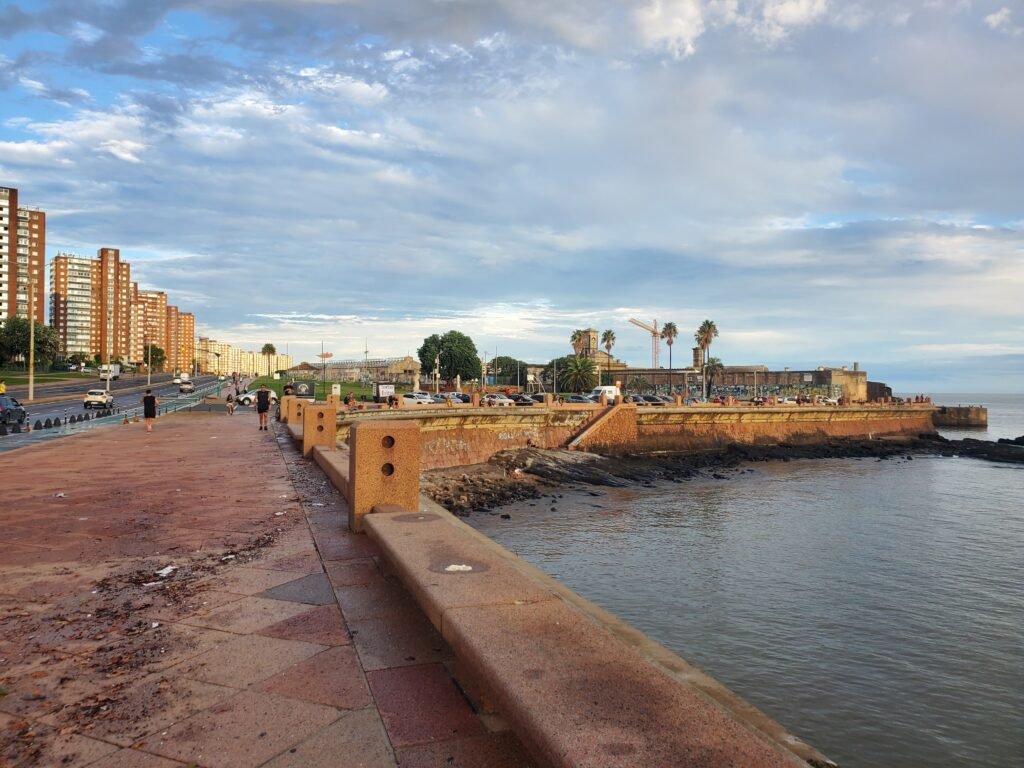
For me personally, Colonia was a better overall experience. Its rich colonial past was fascinating, while its calmer atmosphere allowed for a very relaxing stay. It’s also a more accessible town, with great potential to visit as a day trip from Buenos Aires. However, some may find Montevideo a hidden gem, with a series of museums, a beautiful walkway (known as the Rambla) along the water, and grand architecture.
Safety & Cleanliness
One of the most important considerations to make when visiting somewhere is safety. In that regard, I felt much more comfortable in Colonia.
The problem with Montevideo is that it often comes with the problems of a major city, most notably homelessness and dirtiness. There are a lot of people who will beg you for money, and it left me on edge a lot of the time. There was one instance in which I had to repeatedly tell a guy no after I had just seen him drinking from a public fountain, and he followed me a bit – I felt lucky it was in the daytime, and made sure to avoid that specific spot afterwards.
I felt a bit safer when there were families around, but the streets in Ciudad Vieja were often fairly empty. You also need to keep in mind that in addition to its homelessness, Montevideo is known for having pickpockets – watch your wallet!
There is also quite a bit of trash, though moreso along the Rambla and in the water – the sidewalks in both Montevideo and Colonia were fairly clean. Some of the buildings are run down, but most are in decent shape.
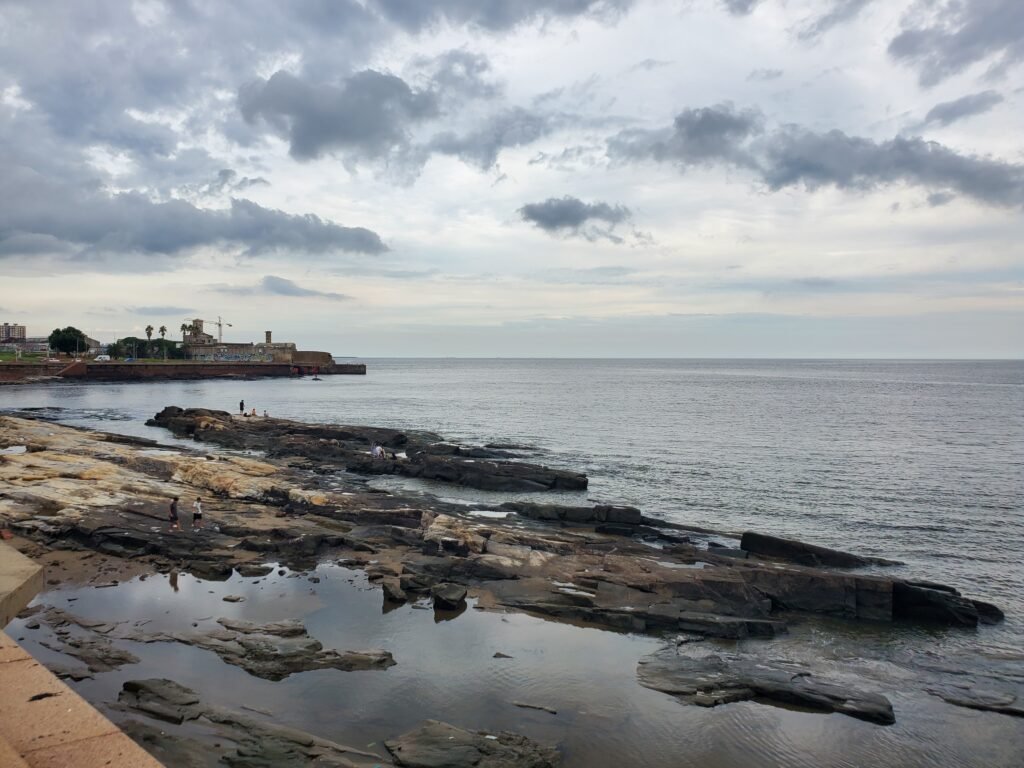
Montevideo actually reminded me a lot of Cuba. Havana has similar architecture as well as a lot of buildings in rough shape, though quite a few more than in Uruguay. Ironically, while it’s worse off in terms of trash and homelessness, I felt safer in Havana than Montevideo due to seeing so many more people walking around with their spouses or families.
Hotels, Food, & Value
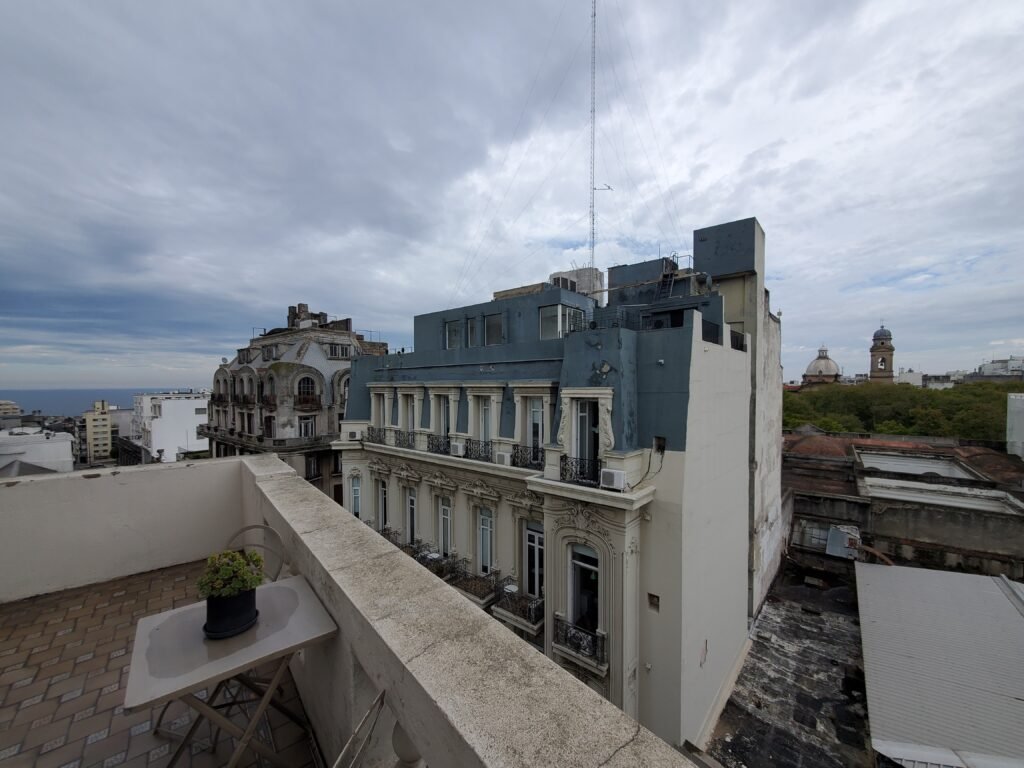
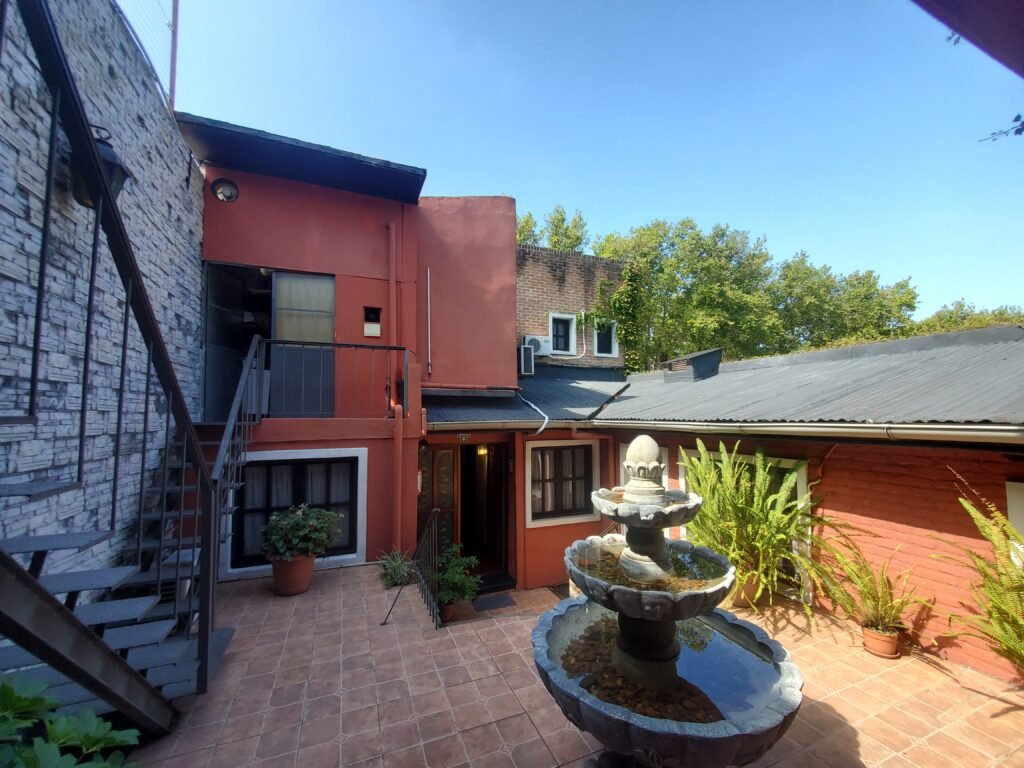
In both Montevideo and Colonia del Sacramento, I had excellent hotel stays in buildings with beautiful architecture. It was also pretty cheap for both, being about $61 a night in Montevideo and just under $54 in Colonia. You can read my full reviews for them here.
Food was also about the same in both places. Uruguayan cuisine is delicious, focused heavily on meat for savory meals and lots of dulce de leche-based desserts. However, it can be quite expensive, often priced at over $20 for a meal. Prices seemed like they may have been a bit more expensive in Colonia, but it was most likely just where I ate.

Overall, the value for each city was about the same. I spent about the same amount per day in Colonia as I did in Montevideo. The main difference is more infrastructure in Montevideo, with a greater variety of options to choose from.
Atmosphere & History
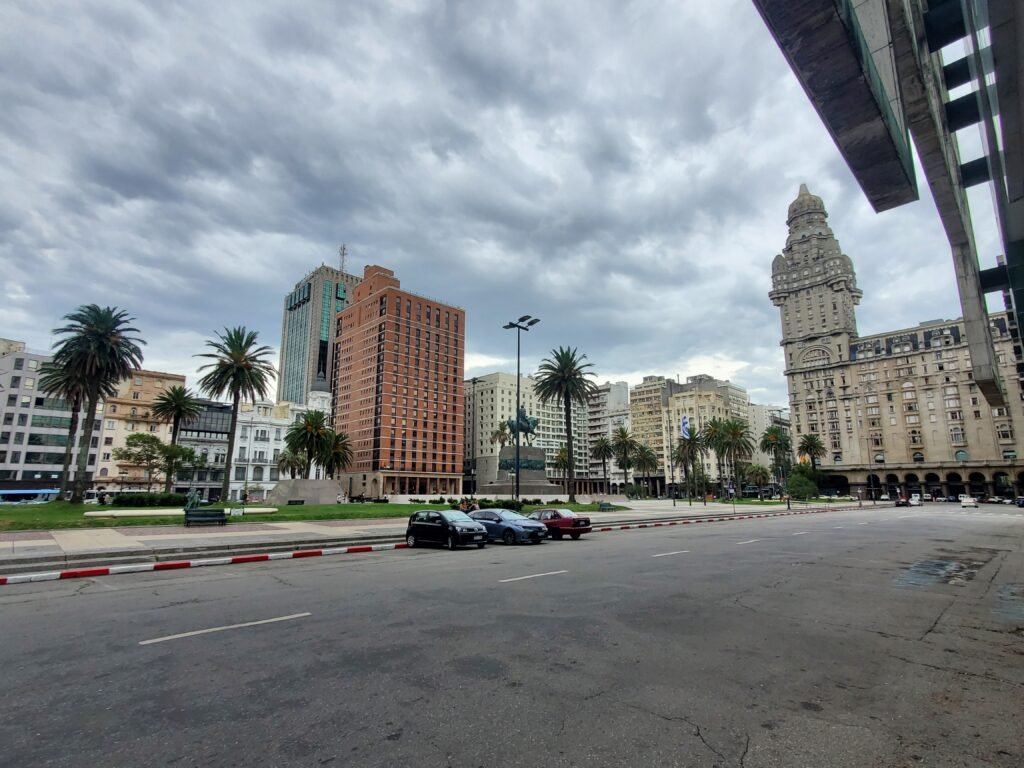
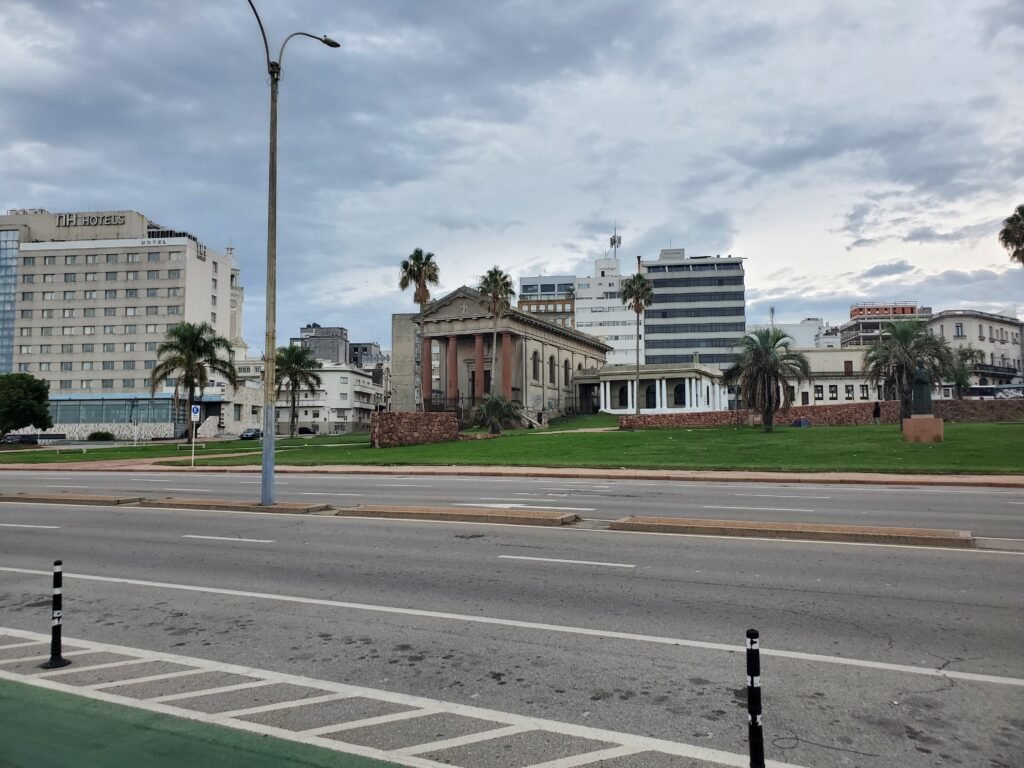
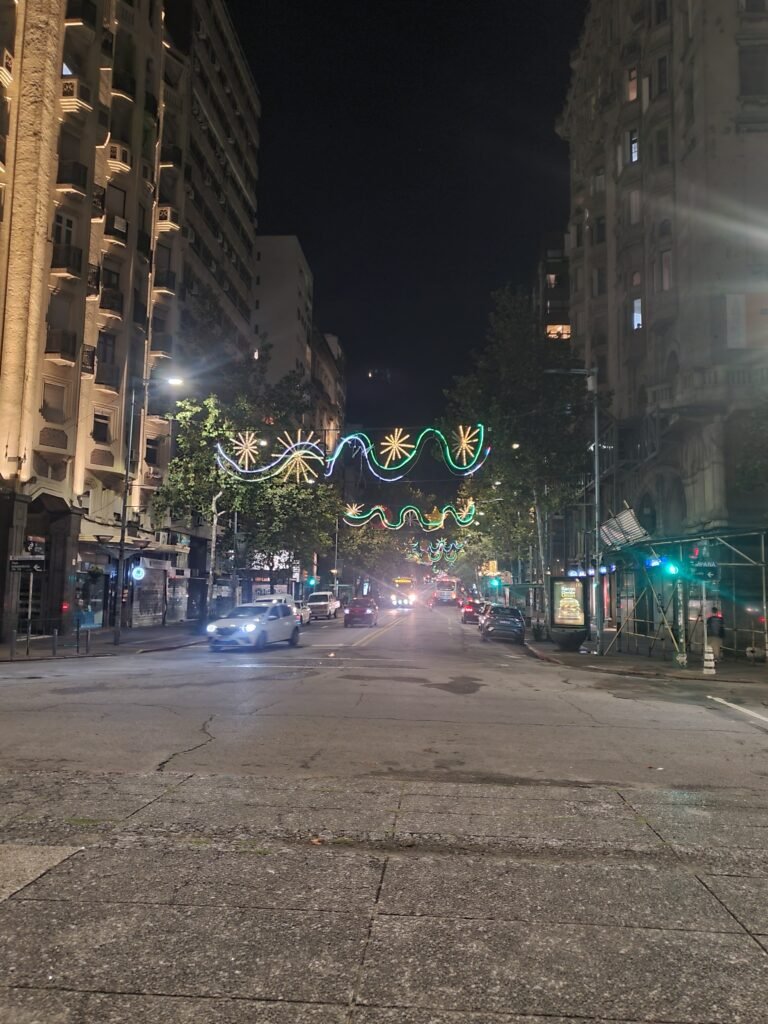
Another aspect of which city you’d prefer comes down to its atmosphere. One advantage that Montevideo had to me was the scale of its buildings. While it doesn’t really have any skyscrapers, the city saw a massive boom in construction in the early 1900s – many of which being in European architectural styles like Art Deco. It lends to the Ciudad Vieja region especially, with a lot of gorgeous buildings as you walk around. There is also the Rambla, a long stretch of walkway along the water in which many locals go with their families.
Colonia has plenty of interesting structures, but not in quite the same way. Rather than their scale, they are important due to their history. Colonia was the only Portuguese colony in Uruguay, founded in 1680 – it was ceded to the Spanish just under 100 years later. Montevideo was founded by the Spanish about 45 years later than Colonia, but much less of the original city remains.
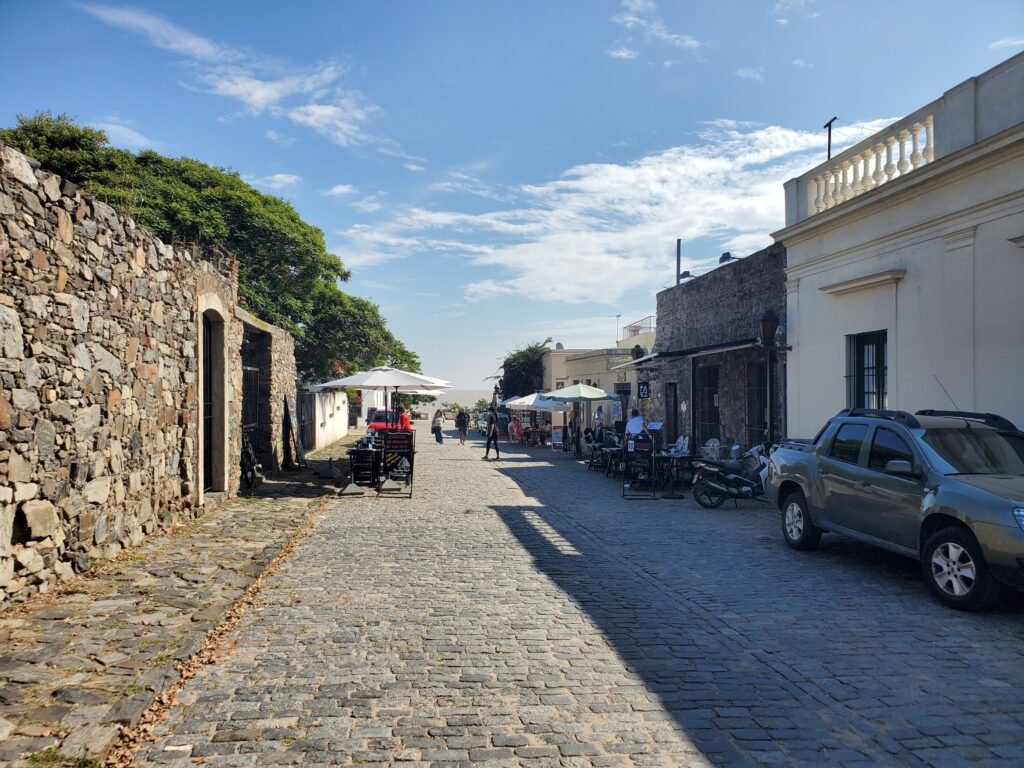
Meanwhile, Colonia’s Barrio Histórico (historic district) still has many original buildings from both Portuguese and Spanish settlers. Some function as museums, even including furniture once used by those who lived there. Others only partially remain, with roof tiles having been removed long ago.
There are even complete streets left from the Portuguese, with one in particular called Calle de los Suspiros being well-known for its historic brothels (hence its English meaning – “Street of Sighs”). These roads are noticeably different to walk on – rougher, but with more labor having been put into the placement of each stone.
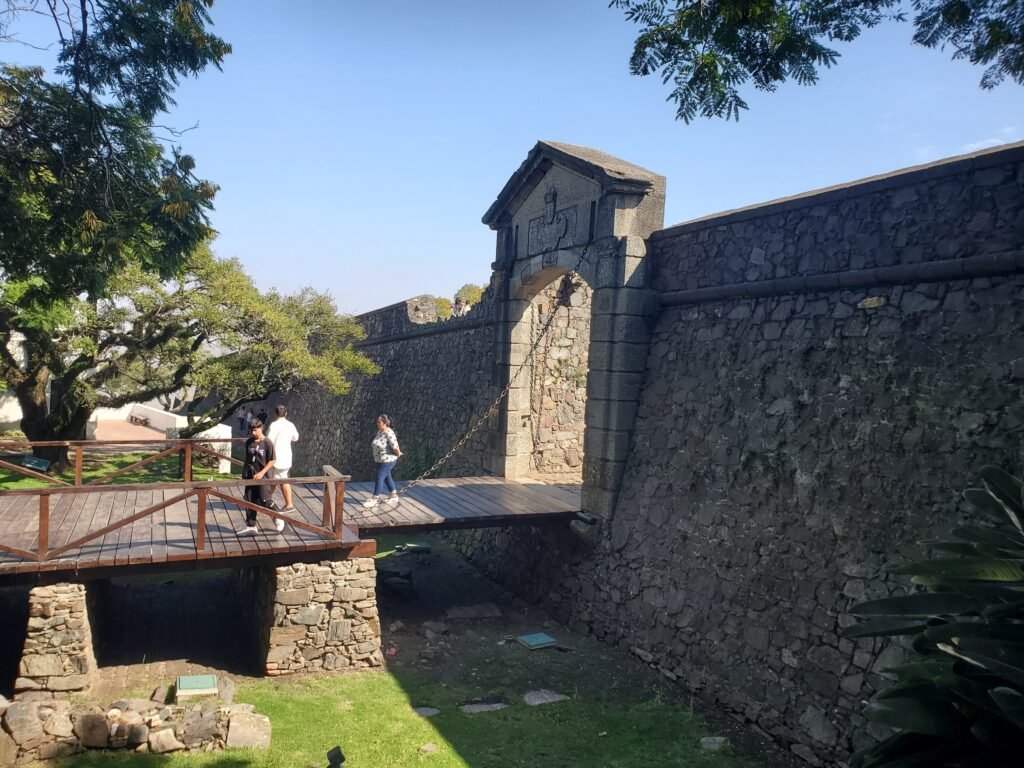
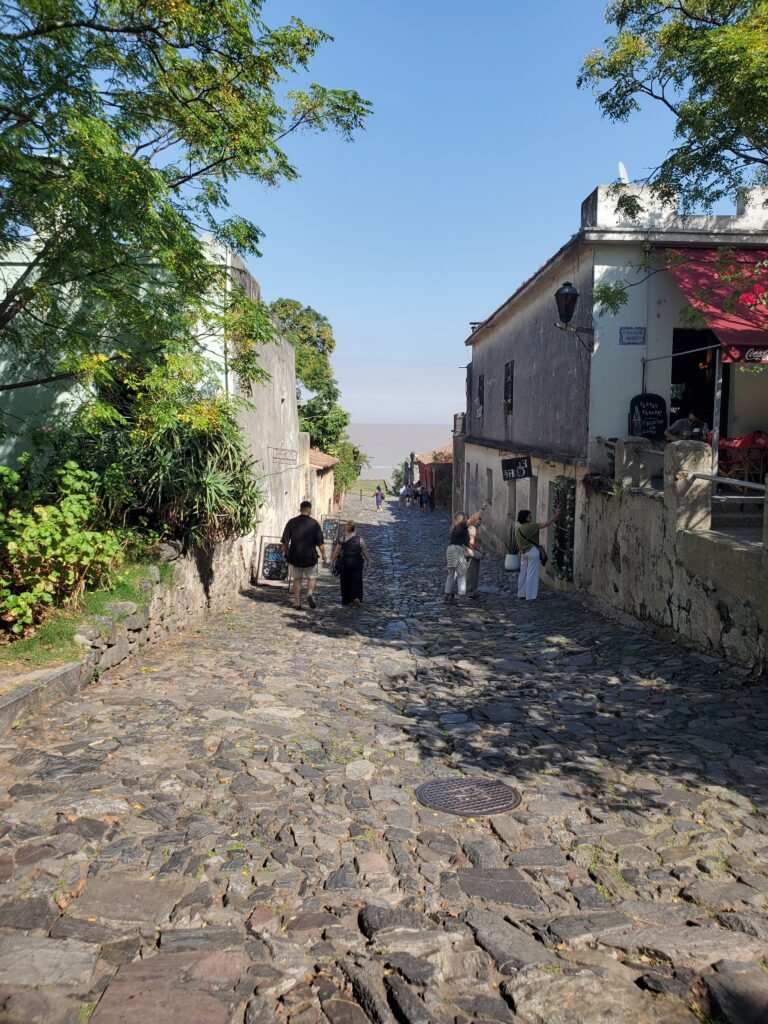
Sadly, many structures were removed in the mid-1800s due to urban development, though this changed about 60 years ago due to rising interest in the city’s unique history, and it is now a UNESCO World Heritage Site.
Walkability & Public Transportation
In terms of walkability, both places are pretty good. The architecture in each city allows for some nice sights along the way, with plenty of shops and plazas you can check out. There is also a heavy night life in Montevideo, with many people out late in clubs and bars far past midnight – in fact that’s often when people begin! Meanwhile, Colonia has a much calmer atmosphere, with more lowkey bars and restaurants that aren’t open nearly as late.
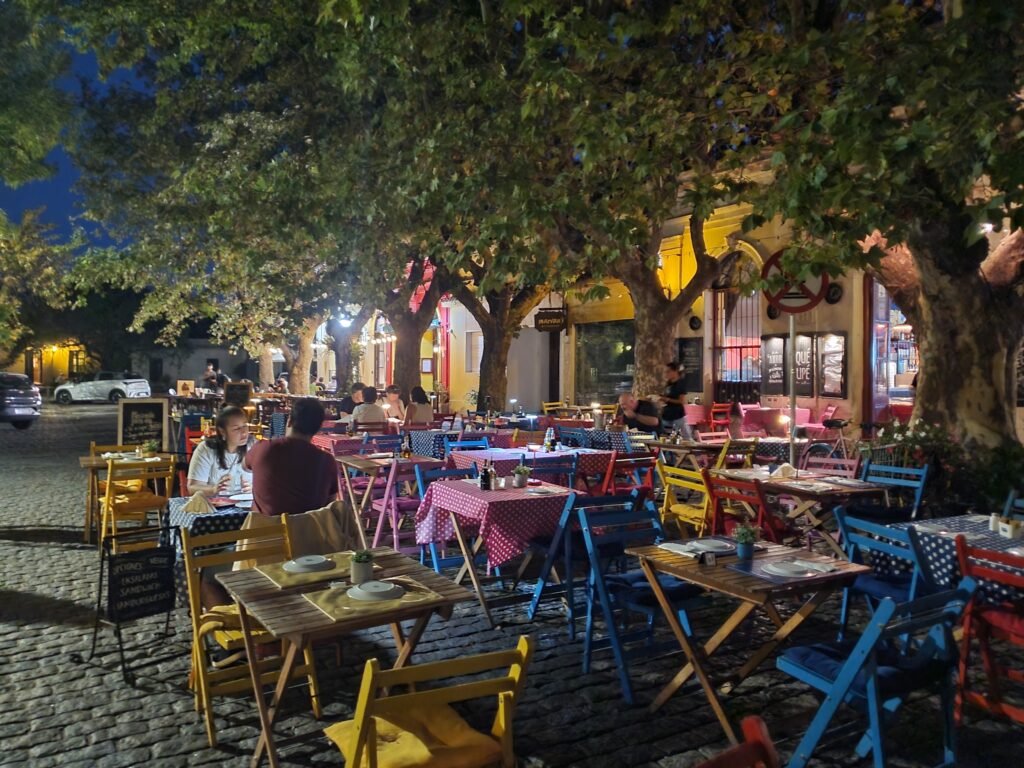
However, Colonia is fairly lacking in public transportation. There are few local buses, with most going between cities. This isn’t a problem if you’re just in the historic district, but do be wary if you’re staying in another area. Montevideo has a major advantage here, with an extensive system of buses which travel all throughout the city. They are also fairly cheap, especially if you buy the local STM card – however this is generally not necessary if you’re only staying in Ciudad Vieja. I only used the bus once, so I simply paid cash.
Essentially, Colonia is walkable due to its small scale, while Montevideo is walkable in spread-out sections which are more accessible.
Activities & Time Needed
While Montevideo has more things to do overall, I was more interested by the activities in Colonia. I love museums, but am personally bored by art museums. Unfortunately, that was mostly what Montevideo had. The only interesting one to me was Museo Andes 1972, about the rugby team who crashed in the mountains and had to cannibalize the dead to survive. I spent about an hour and a half here and did really enjoy it.
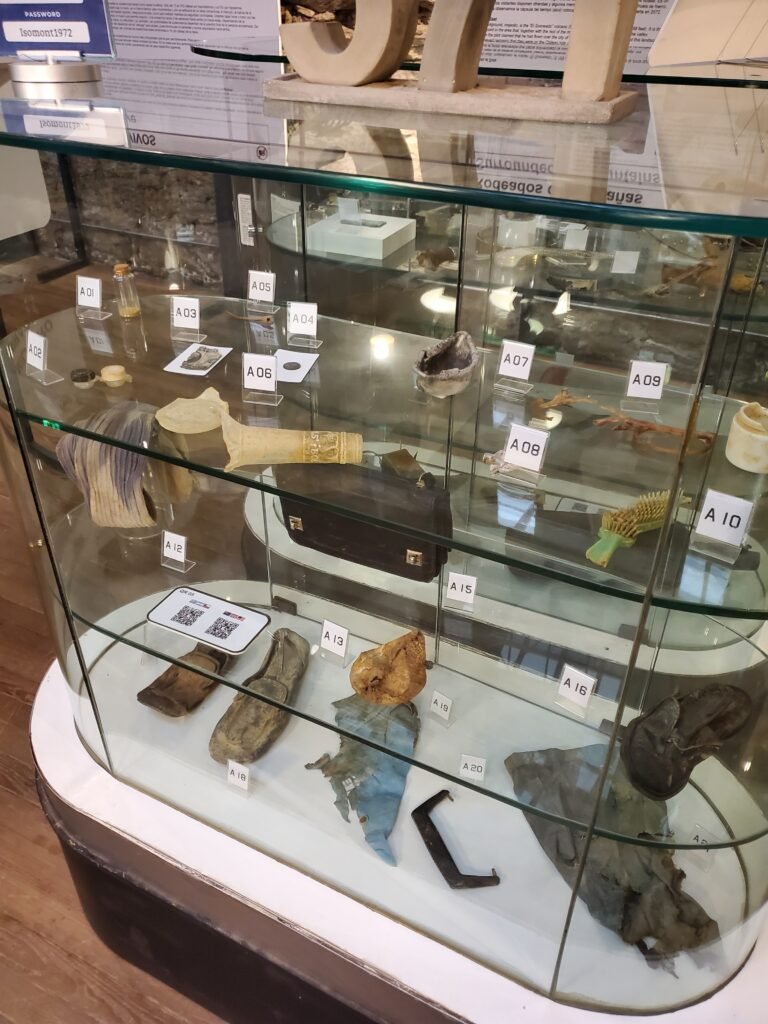
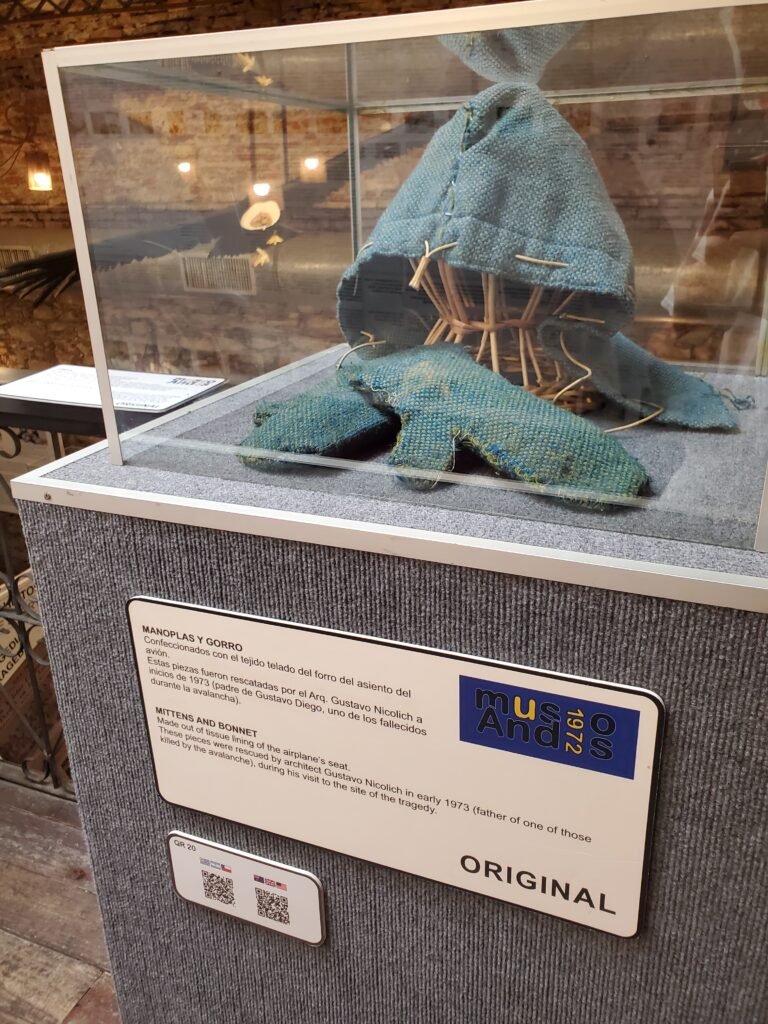
However, most of what I did in the city involved walking around and enjoying the ambience. I did go to church on Palm Sunday which I really enjoyed, but I am a Christian so I was more inclined than some others may be.
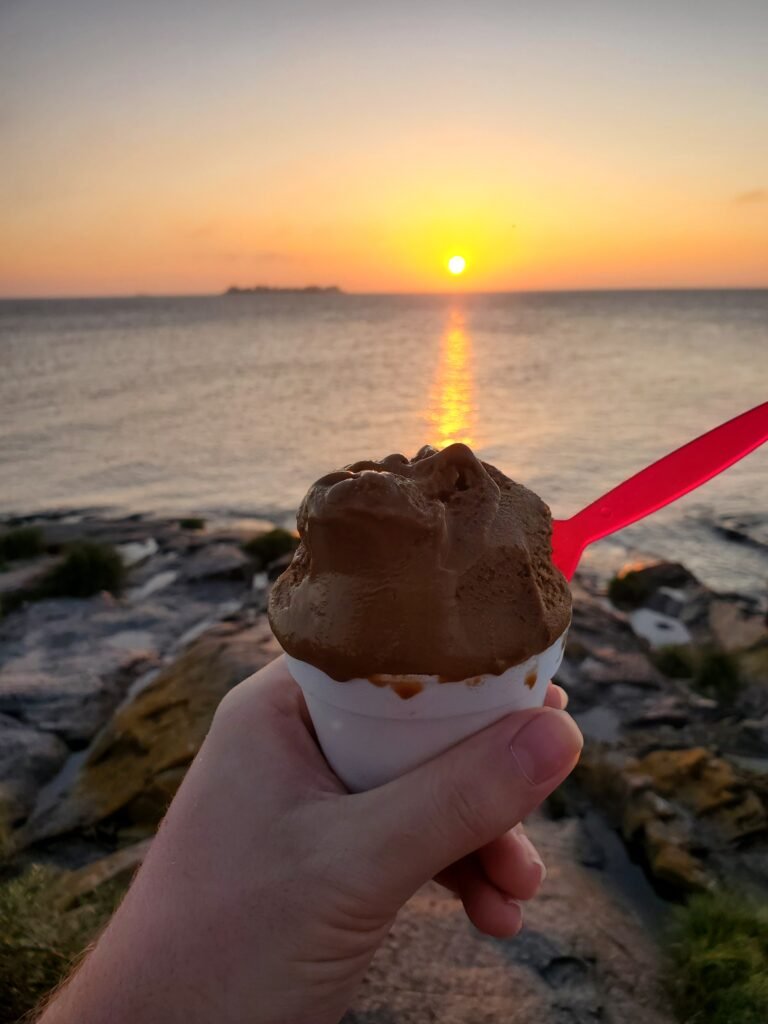
To be fair, I took a tour in Colonia while I did not in Montevideo – it may have increased my enjoyment if I toured both cities. But as someone who really enjoys history, Colonia had a bit of an unfair advantage. While again, it was mostly walking around, getting to learn the history as I walked made me have a great time there. I also had a specific recommendation from my tour guide to get gelato and watch the sunset, which was a gorgeous view.
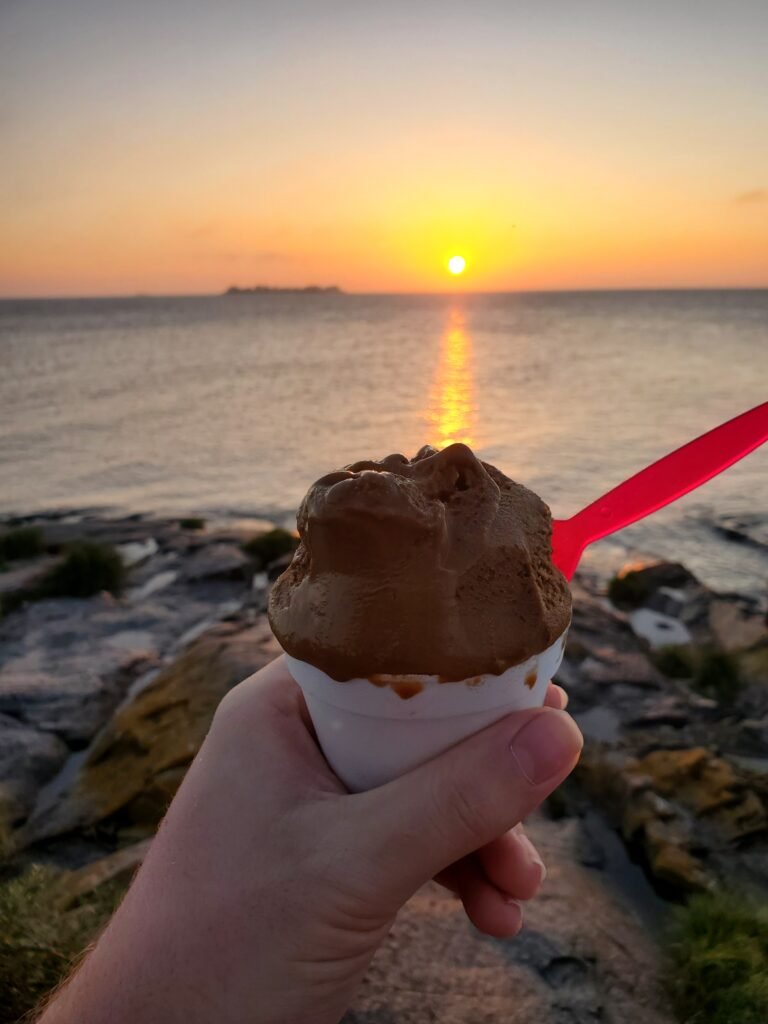
Basically, Montevideo has more things to do, but Colonia’s activities are higher-quality. In terms of time needed, Montevideo really only needs a day or two. On the other hand, Colonia is easily a day trip from either Buenos Aires or Montevideo, but I would say stay the night if you get a chance. But overall you shouldn’t need more than 3 days to visit both.
Final Thoughts
Overall, I would say visiting Montevideo depends on your interests. If you love architecture, art museums, and the idea of walking the Rambla, you should consider it. In fact, my tour mates in Colonia (a Serbian couple) called it a hidden gem.
However, Colonia is a must-see in my eyes, especially if you enjoy history and a more relaxed pace. Even if you’re only visiting Buenos Aires, you should do a day trip there to see the history (and visit another country). Do keep in mind that sometimes you can get cheaper flights if you fly into Montevideo and leave from Buenos Aires (or vice versa).
[…] arrived to Buenos Aires by ferry from Colonia del Sacramento, Uruguay on March 31st – about a 75 minute journey and my first time traveling to a new […]