

A couple weeks ago, I visited my 18th and 19th countries – Uruguay and Argentina. I had a great time, but you might wonder how much it cost me over the course of a week.
In this post I will break down all my costs over 7 days of travel. Both countries are often included in the same trip due to their proximity and similar cultures, so I’ve lumped them together in one article. I also spent a couple days hanging out with a friend in Buenos Aires, but have calculated the prices as if I went alone.
I will be using US dollars to simplify the numbers. For reference, at this time 1 USD is about 40.5 UYU (Uruguayan pesos) and just under 1,400 ARS (Argentine pesos).
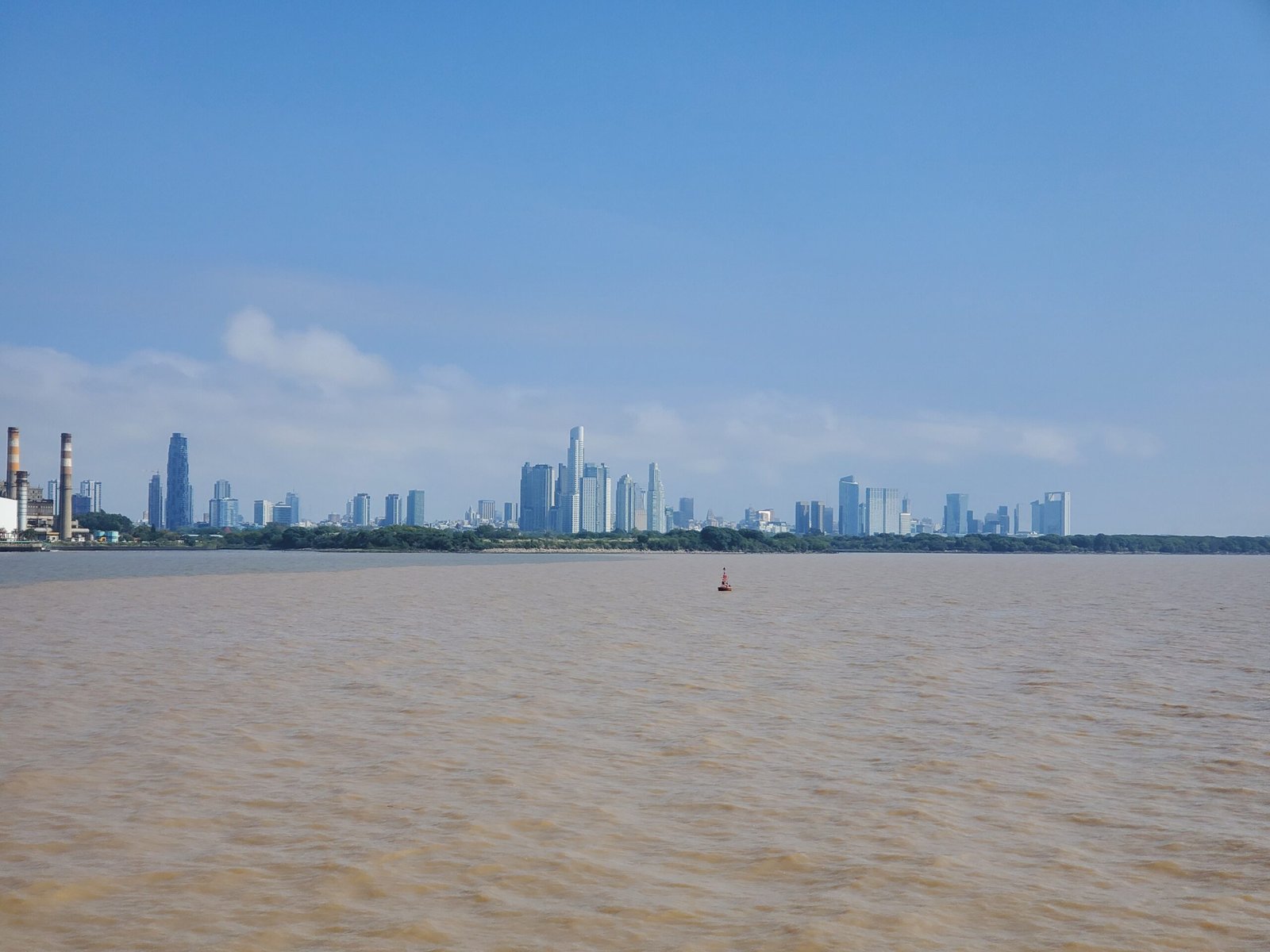
Hotel Prices in Uruguay
Montevideo: Hotel Palacio ($61 per night for a double room with terrace)
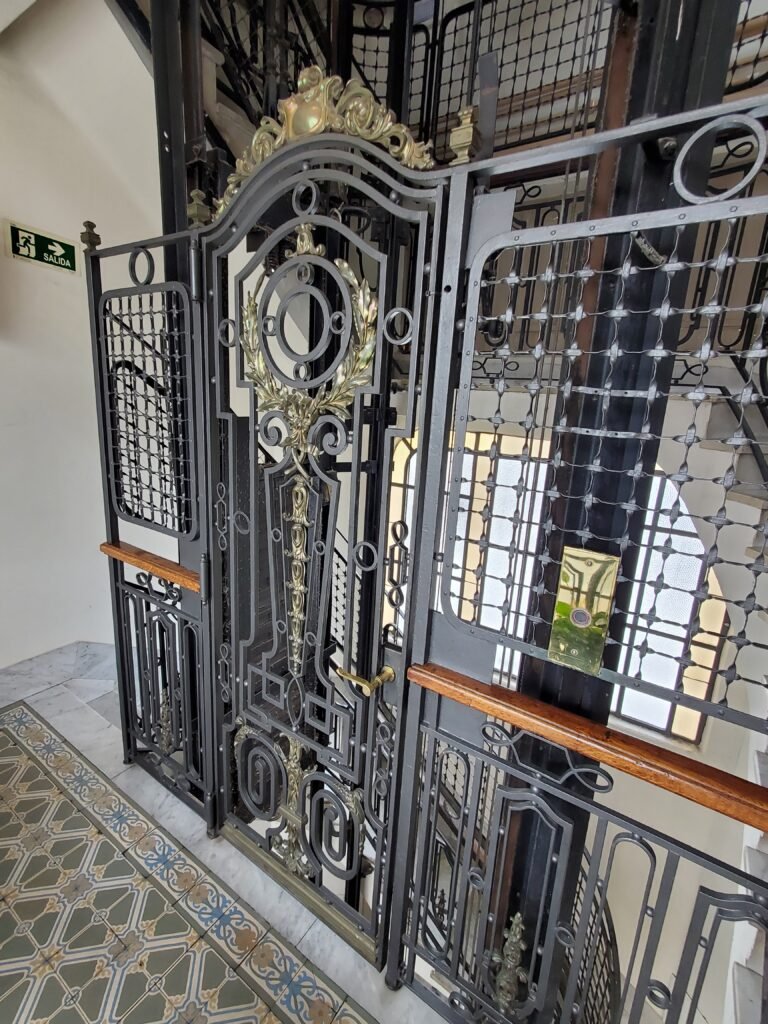
I really enjoyed my stay here. It may seem dated to some, but that was partially what I enjoyed about it. Built in the early 1900s, the hotel keeps its historic charm while still offering modern amenities like AC and mini-fridges. There is even an old-school lift rather than a modern elevator, which I thought was pretty cool. The bathrooms have both a toilet and bidet, a common feature in Uruguay. My room on the sixth floor had a balcony with a great view of the surrounding city, including a couple chairs and a small table. It was a great spot to relax, and I loved being able to see the water on both sides as well as the cathedral. Hotel Palacio is in a prime location in the old town, close to several plazas and only a few blocks from the Rambla. There was a buzzer at the front door – normally it is unlocked during the day but if you arrive late someone will come open it for you. Alongside that, it had a 24-hour check-in, which was extremely helpful as I did not get there until 3 am due to a late-night flight. Some receptionists spoke more English than others, but it was fairly easy to manage with limited Spanish knowledge. They also request that you drop your room key at the desk whenever you leave the building. But overall this was a stellar deal!
Colonia del Sacramento: Hotel Rivera ($53.80 per night for a single room)
I was only here for one night, but it was a lovely hotel. I arrived to Colonia earlier than anticipated and got to check-in well before the listed time, getting a bit of time to relax before exploring the town. The rooms are fairly spread out across a small complex, and my room was next to a lovely courtyard with a fountain. It had a toilet and bidet, AC unit, TV, mini fridge, and even a table with a couple chairs outside. The receptionist didn’t really speak any English but we used Google Translate and made it work! There was a door with a code to get in if you come back to the hotel while there is nobody at the reception desk. It was only a few blocks from the old town, and it is a very nice walk to get there, either on the main road or on quieter streets.
Food Prices in Uruguay
Food in Uruguay is actually fairly pricey. While it is known as the “Switzerland of South America” for its stability and safety, its high costs are another factor. There is also a tipping culture – generally about 10% is expected.
I visited only two areas. The first was Montevideo, the capital of Uruguay and a major metropolitan area with over 1.5 million inhabitants. The second was a much smaller town called Colonia del Sacramento. However, I did not notice much of a price difference between the two.

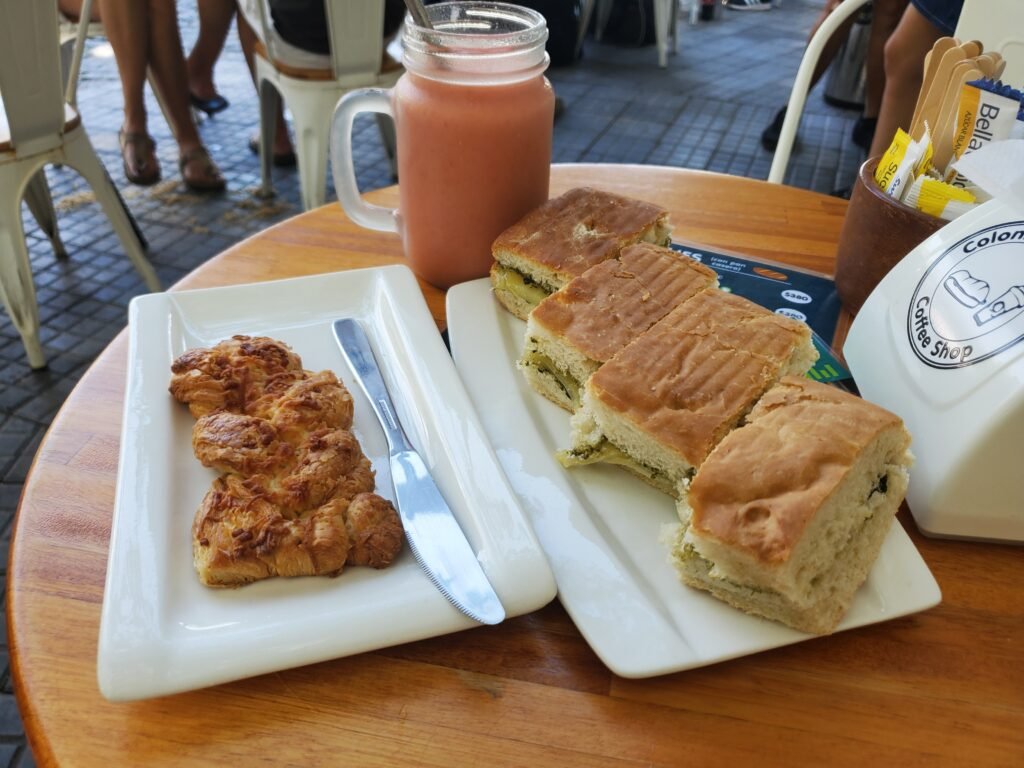
Generally, lunches were cheaper than dinners. There is a heavy night culture – people often go out after an afternoon siesta. As such, more “nice” restaurants are open and popular in the evening. I had a couple drinks, but they seemed similar to US prices.
Dessert is also a popular aspect of Uruguayan cuisine. Dulce de leche is a creamy sauce made with sugar and milk, commonly used over ice cream and other sweet dishes. Tortas fritas is a popular street food which is essentially just fried sweet bread, and often comes with dulce de leche on top.
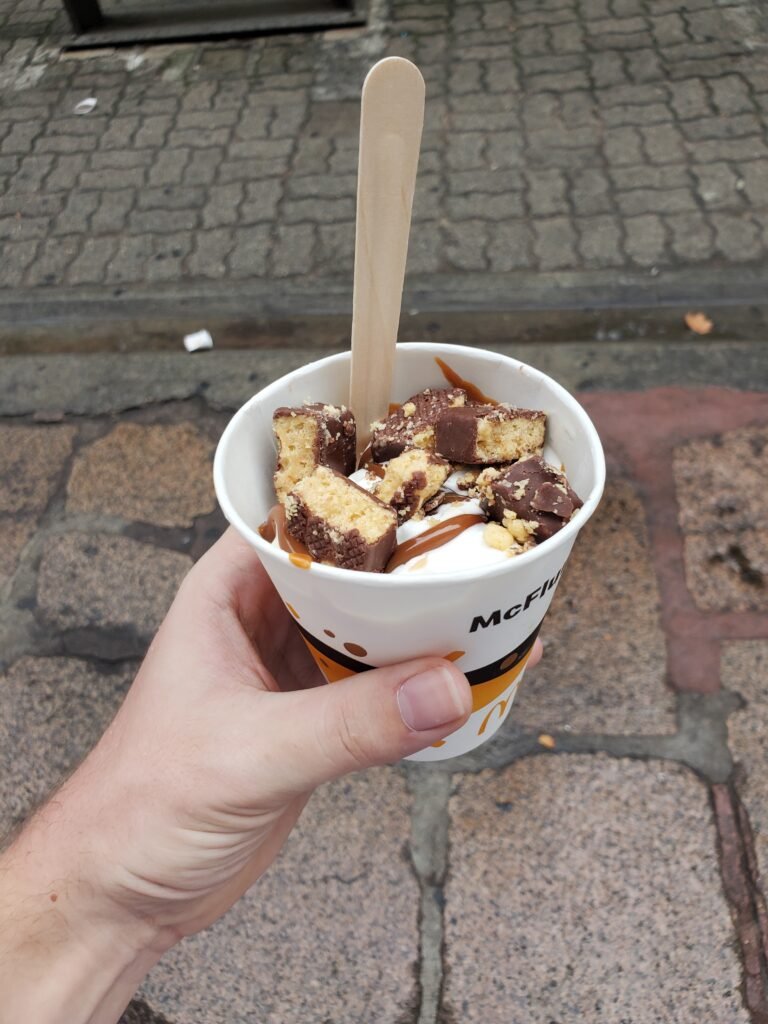

Besides that, local stores are a good option for cheap snacks. I wasn’t overly impressed by the ones I had – maybe just not enough flavor for my American tastes, but the bottled juice drinks were good.
Meals in Uruguay: $133.20 for 6 meals = $22.20 on average
Dessert items & snacks: $15.27
Extra food (including things bought in stores): $20.53
In total, I spent $169 on food in Uruguay, around $56 per full day. Overall, Uruguay has high-quality food, but it’s noticeably more expensive than many other South American countries.

Transportation Prices in Uruguay
Uruguay has a pretty affordable and easily accessible public transportation system in the form of buses, especially in Montevideo. You can get STM cards to use on the bus at Abitab or RedPagos locations around the city, though in my experience they were generally only open on weekdays.
I did not end up buying a card though, as I only took the bus once. I paid with cash, the equivalent of only $1.18. This was for a 20 minute ride – a pretty good price. I would only recommend getting an STM card if you plan on traveling around the city multiple times.
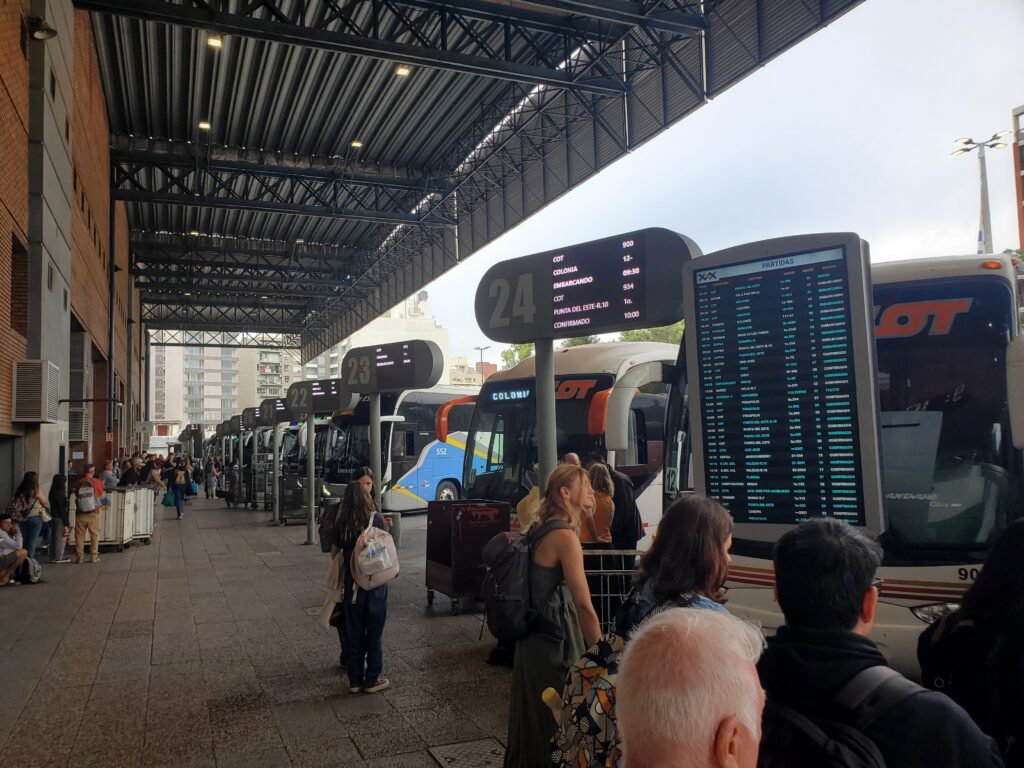
Buses between cities are fairly cheap as well – I took a bus to Colonia del Sacramento from the Tres Cruces bus terminal in Montevideo (a 2+ hour ride) for only $14.73.
The major transportation cost was from the airport – a taxi which cost a whopping $65! I tried to ask for a price beforehand, but the driver said it was based on an odometer. Not gonna trust that one again! I would recommend just using Uber, it’s probably far cheaper. There is also a bus option from the airport, but sadly they were not running at 2:30 in the morning.
Overall, I spent $80.91 on transportation, though you can absolutely cut this down!
Prices for Activities in Uruguay
I only paid for a couple of activities while in Uruguay, one per city.
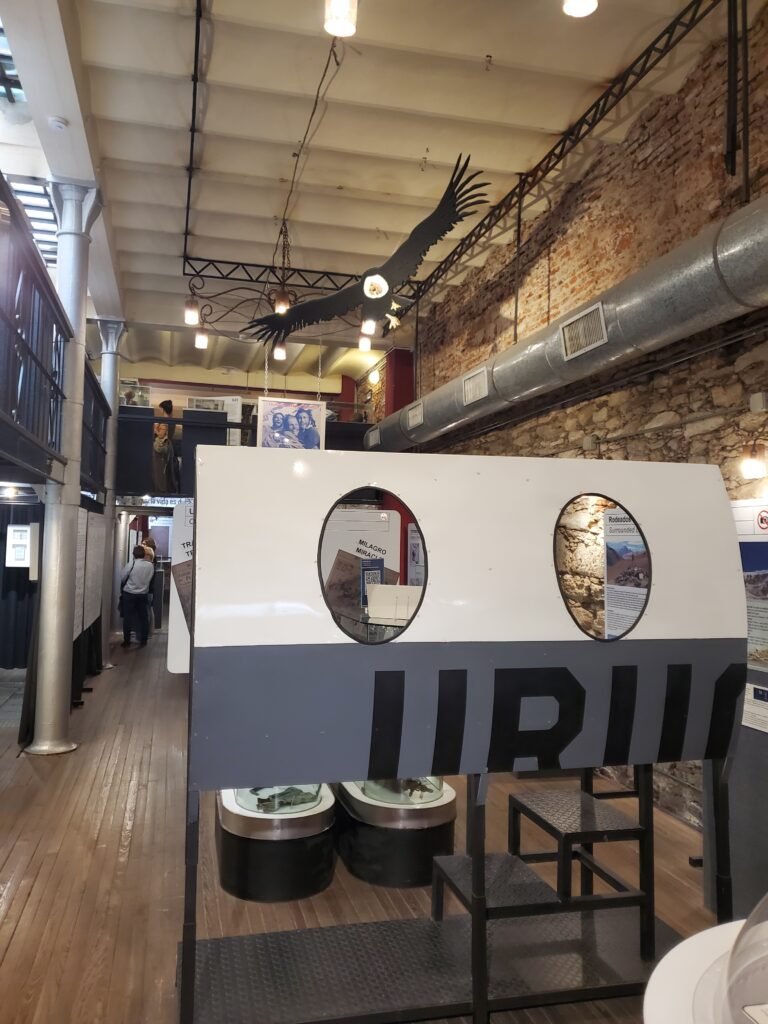
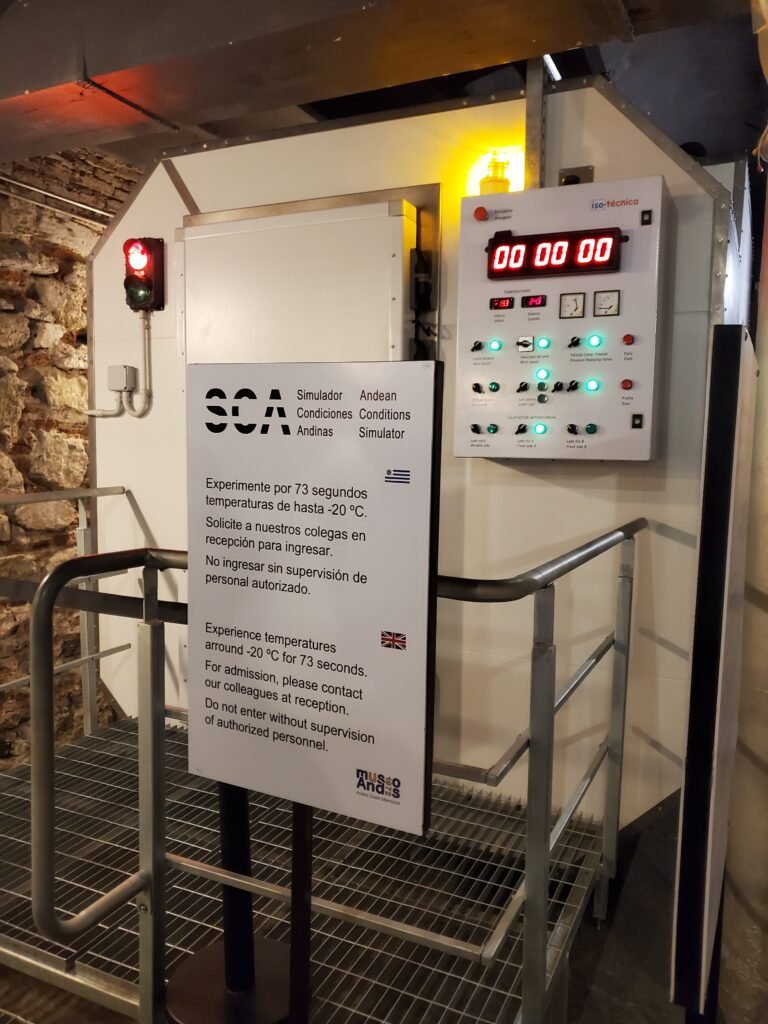
Montevideo has a lot of museums, but most appeared to be some kind of art museum, which I’m not really a huge fan of. However, there was one I was interested in – Museo Andes 1972. This was all about the plane full of rugby players who crashed in the Andes and survived for over 2 months, having to eat the bodies of the dead to sustain themselves. It was very insightful, and even had a simulator in which one could feel the -20°C weather conditions of the mountains. There were also quite a few artifacts – I was impressed by the fact so many have been found even in the past couple decades. The most recent thing I saw was only found in 2023! For only $6.17, I was occupied for over an hour and a half.
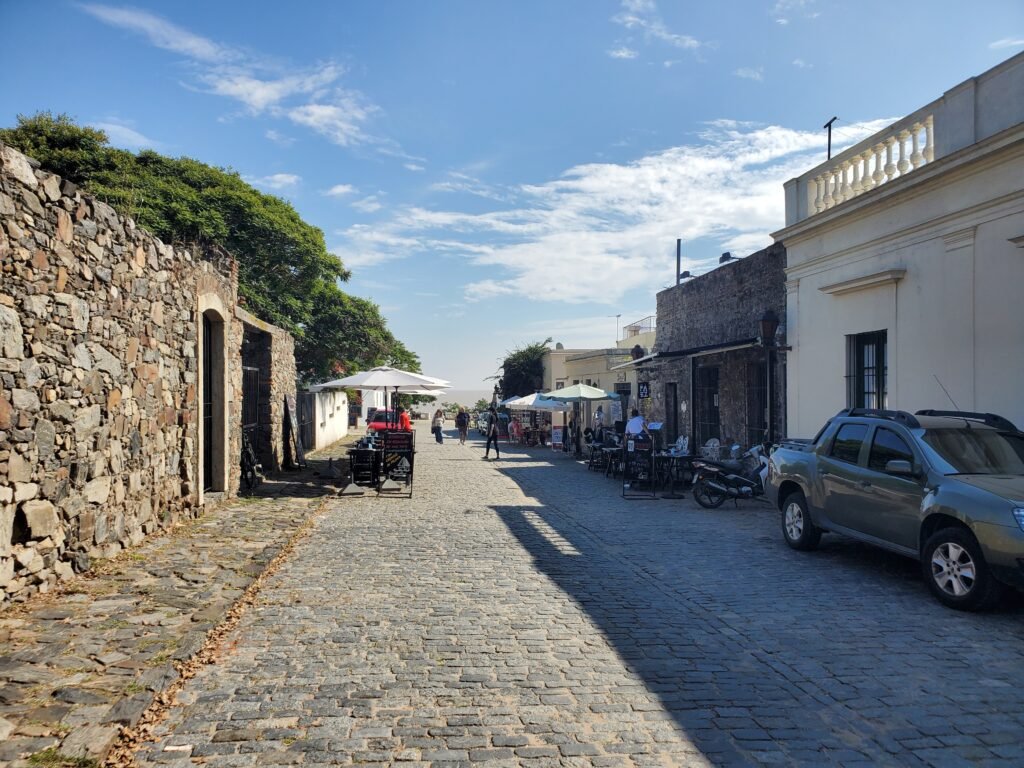
As for Colonia, I decided to book a walking tour for $18. I really recommend doing this. Sure, just walking around the old city on your own is cool – but having a guide allowed me to learn so much about this historic city. I got to learn in-depth about its Portuguese founding and subsequent Spanish takeover, with original buildings and streets which still stand to this day. Additionally, there were small things pointed out which only a local would know – where to eat, the meaning behind certain statues, and even the best spot to see the sunset while eating ice cream!
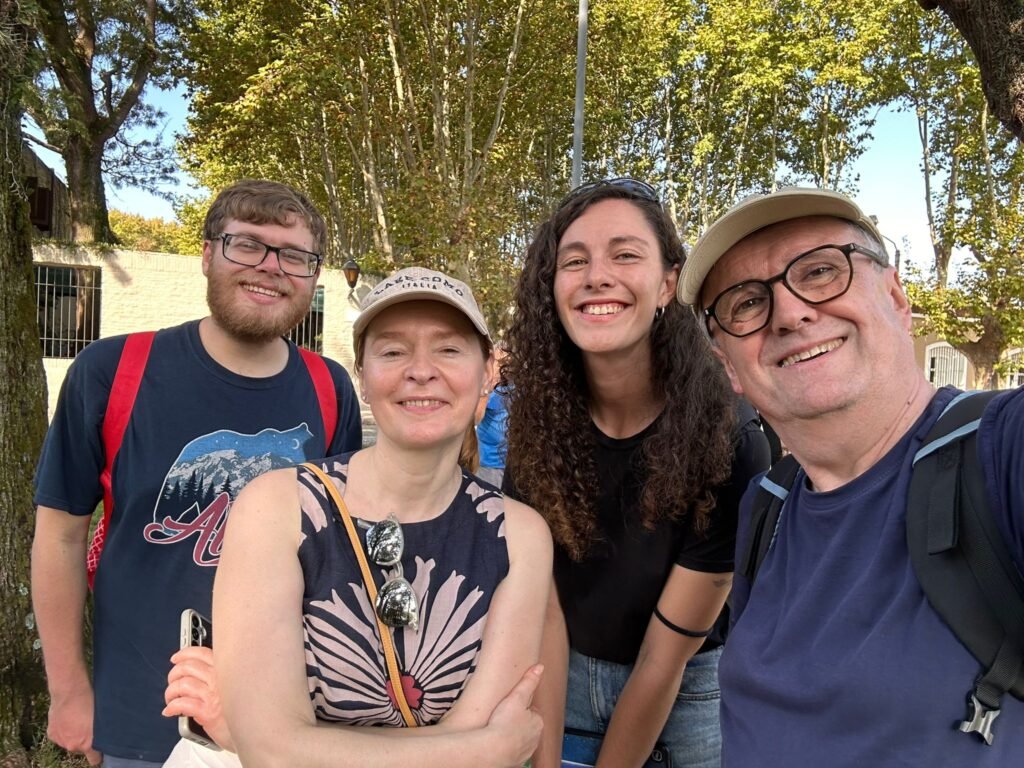
But what I really liked about the tour was the people I met, as well as how small it was. My guide, Idoia, is not a native to Uruguay, but is actually Basque! She met a Uruguayan and married him after being a guide in Munich for some time. She was great company, and I loved her enthusiasm. Not only her, but I also met a Serbian couple who live in Germany – the only other people on the tour. We were apparently on the same bus from Montevideo that morning, and we also crossed paths two other times – once at sunset and on the ferry boat to Buenos Aires the next day! You really never know when you’re going to make new friends. In fact, you can book this tour here!
Overall, I spent $24.17 on activities.
Hotel Prices in Argentina
Buenos Aires: Loft Osteria by Sagardi ($68.15 per night for a standard loft)
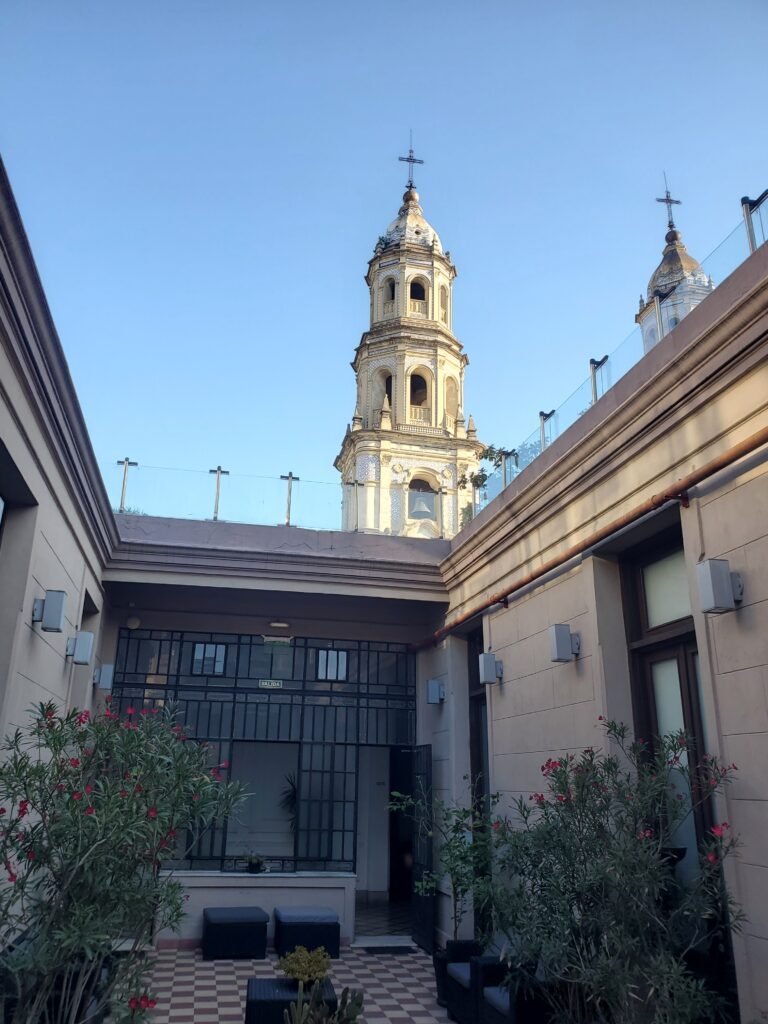
This hotel is actually above a restaurant (Sagardi Argentina), with the check-in desk towards the back part of the restaurant. While I wasn’t able to check-in early, they did let me leave my bags. The receptionist spoke English well and showed me where I was staying. There is a door to the left of the restaurant itself that leads up to a few stairs. This goes through a smaller room and then a courtyard with some tables and chairs – this has a great view of the nearby church, Parroquia de San Pedro González Telmo. The room itself is unlocked with another key, and is basically a small apartment. It had a mini kitchen area with sink and counters, couch, and bathroom on the first floor, with a small set of stairs leading up to the bed and TV. It was a cozy stay, though the AC was not very powerful (likely owing to the size of the room). It was a great location in San Telmo, with tons of amazing restaurants, nice landscaping, and incredible architecture all around.
Food Prices in Argentina
Food in Argentina was noticeably cheaper than Uruguay, though it could still be pricey at times. This could also be the fact I was in such a major city – I was only in the Buenos Aires metropolitan area.
Lunches and dinners seemed to be around the same price. While there seems to also be a big nightlife scene in Buenos Aires, I did not personally experience it, so I wouldn’t be able to talk about drink prices with any certainty. I also got the chance to have asado (barbecue) with some friends my last evening, so I won’t count that meal here.
I spent $89.07 on 6 meals, averaging around $14.85 each. This includes a couple cheaper places I visited, but generally you can expect to spent $15-20 on a solid spread of food.


Due to the humidity and amount of walking, you’ll probably need to hydrate somewhat frequently. I visited several stores to get refreshed, with my favorite item being bottles of pear-flavored water. I spent $6.85 on these drinks.
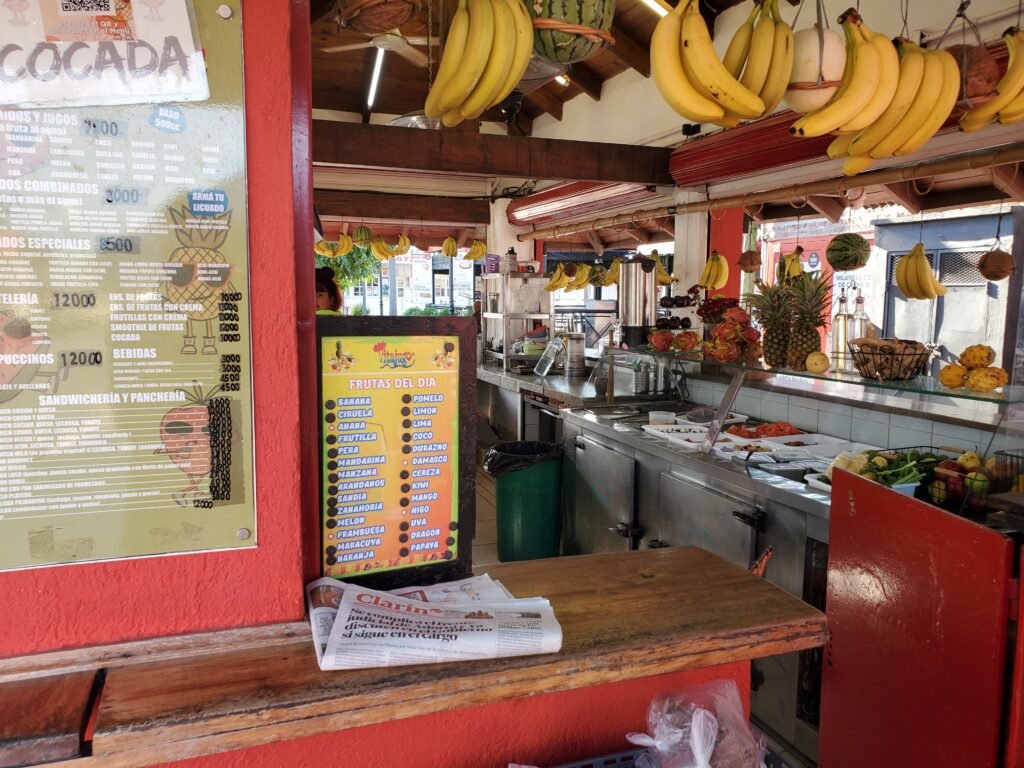
You also might find juguerías, or juice bars, around the city. These offer freshly made smoothies and beverages from a variety of fruits. I went to one of these and spent $5.77 on a combination of peach, coconut, and mango. Very tasty!
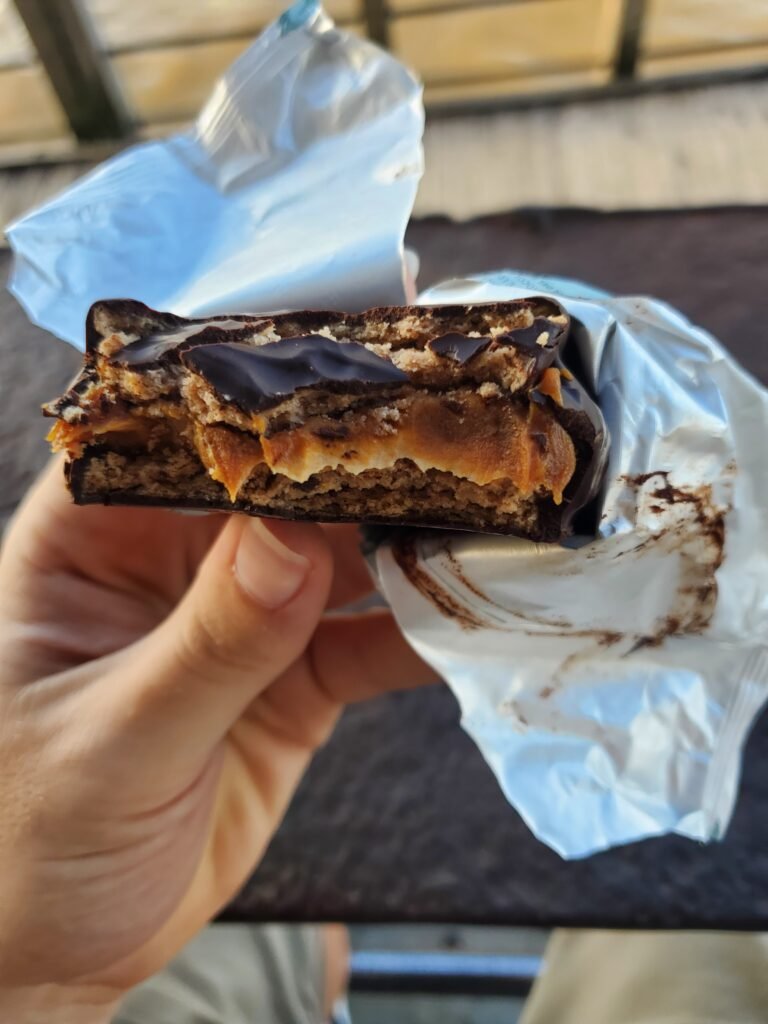
And if you visit, definitely go to Havanna – this is a chain which sometimes has food but is mostly known for their desserts known as alfajores. These are a staple dessert in Argentina consisting of a creamy dulce de leche filling in-between two soft cookies, fully covered in chocolate. I was lucky enough to have my friends give me some to take home, but I did buy one for $2.52. Totally worth it – they are really tasty!
Overall, I spent $104.21 on food in Argentina. While this excludes my last night, even if I had eaten out it would still have been only about $40 a day – not too bad at all! In terms of meals, Argentina definitely offers better value than Uruguay.
Transportation Prices in Argentina
Buenos Aires has a massive public transportation system, consisting of both buses and trains. If you will be utilizing these, it is highly recommended to buy a SUBE card. You can do this at train stations and top up with cash if needed.
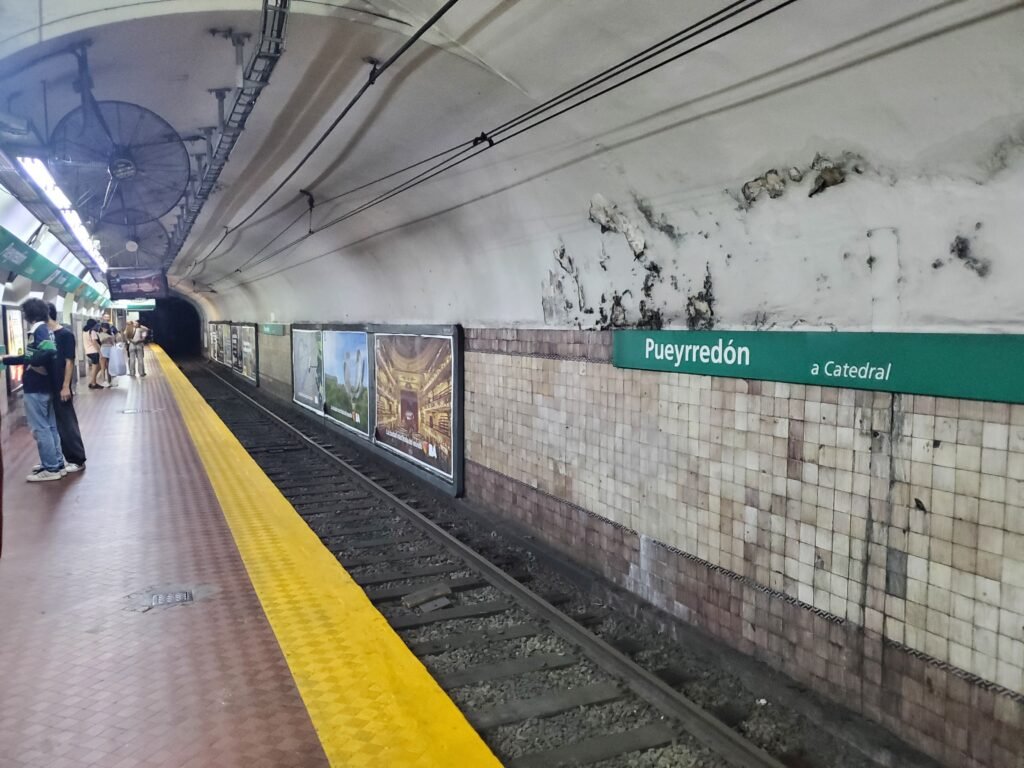
I did not have to get one thanks to traveling with my friend, but it’s almost guaranteed that you will use it a lot. The only time I went on public transport within the city was the subway, and while he covered my cost it would have only been about $0.72. Technically I also went on a hop-on hop-off bus, but I’ll cover that in the Activities section.
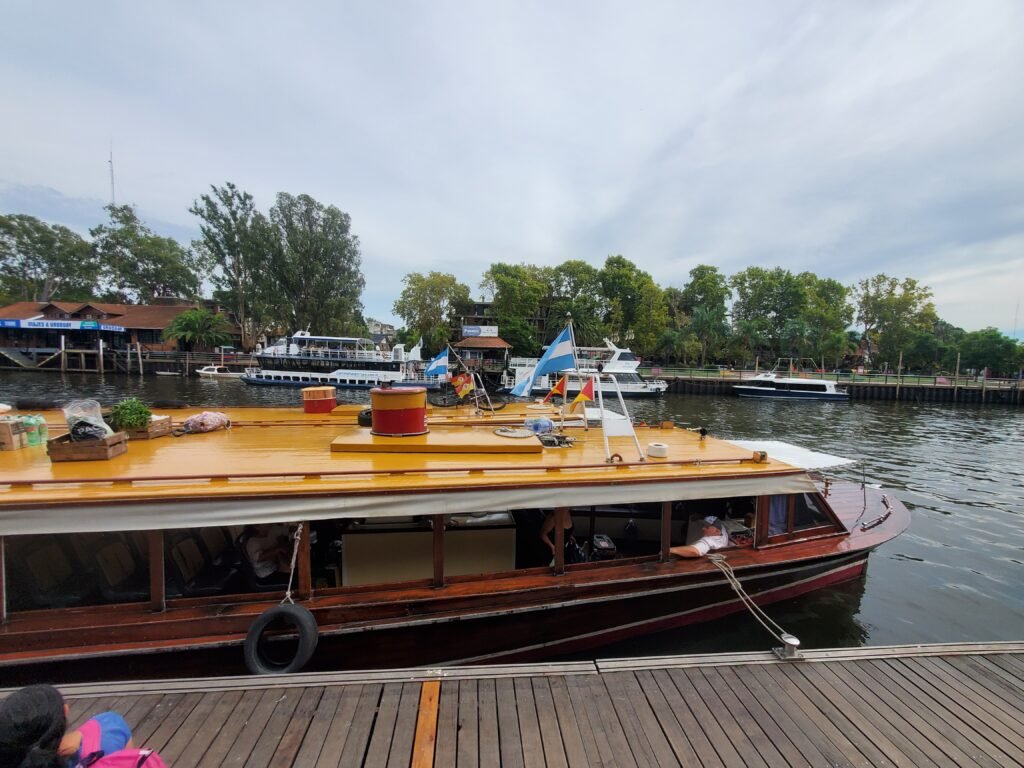
The other method of transportation I took was in the delta region north of the city. They have boats which serve as buses, and it cost me $4.33. It was a unique experience – they are very precise in how quickly they stop and leave, as well as keeping track of the exact number of passengers.
In total, I spent $5.05 on transportation.
Prices for Activities in Argentina
I did several activities in Buenos Aires, all in one day. The main one was the hop-on hop-off bus, costing me $33.16 for a 24-hour ticket. While it was certainly a useful means of transportation, I consider it more of an activity because it allowed me to see a lot of the city. It also comes with earbuds to listen to commentary about the history of Buenos Aires and certain landmarks as you pass by. These buses run throughout most of the day, with the last one starting at 5 pm. There are a lot of stops you can get out at, and you only need to wait 15-20 minutes to get back on another bus when you’re done exploring a certain spot.
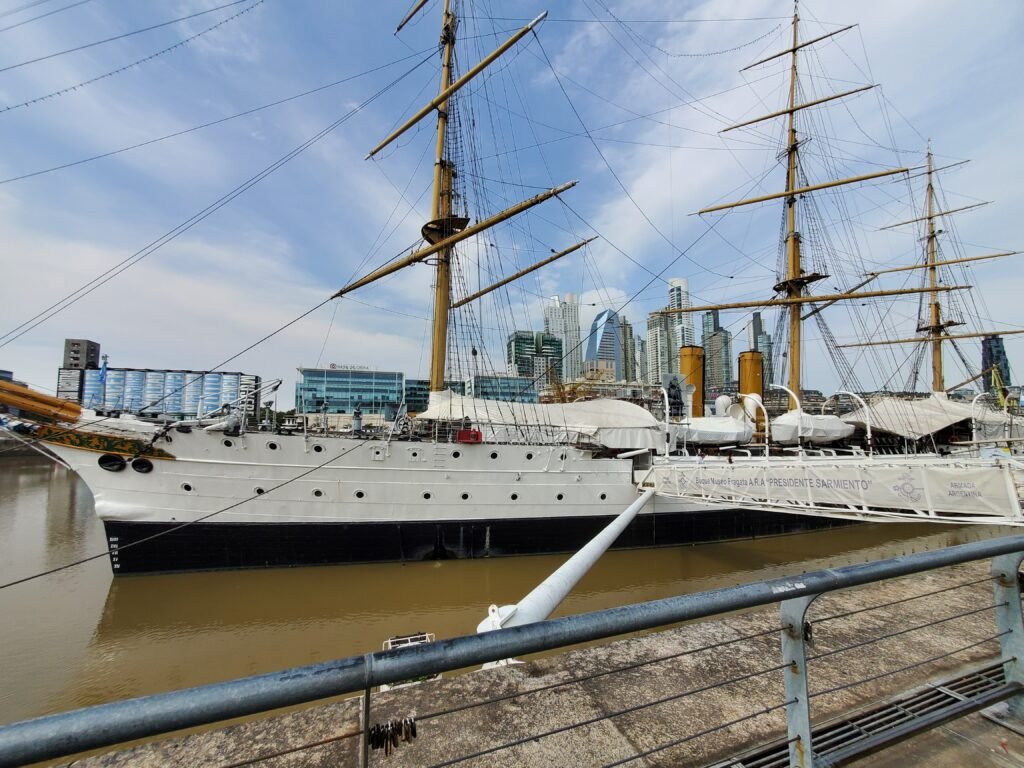
At one of these stops, I visited the ARA Presidente Sarmiento, a museum ship which used to be a training vessel for the Argentine Navy. For only $0.72, I got to read all about its 37 trips to destinations like the US, Europe, Africa, and more in the early 1900s – including six complete circumnavigations of the globe!
At another stop, I was able to go up the Monumental Tower near Retiro Station. Typically it is only open on Wednesdays, but I was able to visit on Malvinas Day – a national holiday in Argentina. It was actually the first time my friend ever went up, despite the fact he lives in Buenos Aires! We had some awesome views of the city there.
In total, I spent $41.09 on attractions in Argentina.

How Much Did I Spend to Go to Uruguay and Argentina?
International Transportation (Flight & Ferry Costs)
Before considering the overall costs of my trip, it’s important to consider the costs of actually getting to Uruguay and Argentina.
I flew from San Francisco to Montevideo, took a ferry from Colonia to Buenos Aires, and flew back home from Buenos Aires. I was able to book both flights at the same time for $890 round-trip. This was a pretty good deal, as it can often be over $1000. It consisted of two 7-hour flights each way, both with layovers in Panama – the hub of Copa Airlines which is a major South American provider. I actually got to leave the airport on my way back, which you can read about here.
For the international ferry (the first time I’ve ever taken a boat between countries besides cruises), it was only $39.94 for an 80-minute ride. Going across the Rio de la Plata was an interesting experience – it is the widest river in the world, and felt like an ocean!

Overall Costs
With all of these costs together, I spent $510.88 for 3 full days in Uruguay, versus $286.65 for about 2 and a half days in Argentina. You can clearly see a difference here – while I did enjoy Uruguay, especially Colonia, some travelers may replace that with extra time in Buenos Aires. Argentina was definitely my favorite of the two, even besides costs.
When taking into account flight and ferry costs, I spent $1,727.47 on this trip – about $215.93/day. However, if you consider the full day of travel time each way, it jumps up to around $287.91 per day spent within Uruguay and Argentina (6 days).
So, are these countries worth visiting?
Argentina is an easy yes – I loved my time in Buenos Aires. It offers great value, incredible food, and a vibrant atmosphere.
For Uruguay, it really depends on the person. For me, I’d say you can skip Montevideo. There are a couple cool things there, but I wasn’t a huge fan of it. However, if you go to Buenos Aires, you should absolutely do a day trip to Colonia del Sacramento. You can arrive in the morning and head out in the evening – ferries run all day.
The travel time could be a barrier to some people, and that is totally understandable – 14+ hours in a plane in one day, not to mention arriving early for international flights, layover times, and going through immigration can all be a lot. But I had a wonderful time exploring the unique architecture, wandering through the beautifully landscaped areas, and learning about the history of these South American countries which are culturally similar in many ways yet very distinct.
[…] In both Montevideo and Colonia del Sacramento, I had excellent hotel stays in buildings with beautiful architecture. It was also pretty cheap for both, being about $61 a night in Montevideo and just under $54 in Colonia. You can read my full reviews for them here. […]
[…] in. It was basically a series of small lofts above a restaurant – you can learn more about it here. From then on, I was free for the rest of the […]